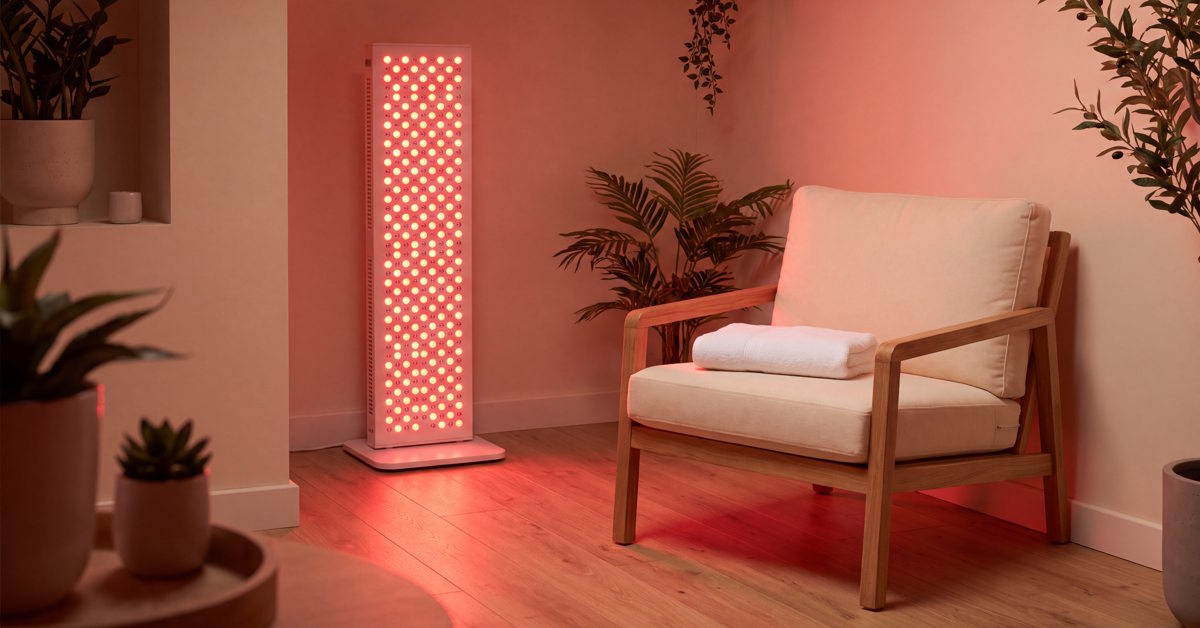
Wondering what red-light therapy does? Red light therapy is a non-invasive treatment that exposes your body to specific wavelengths of red or near-infrared light. It is also widely known as photobiomodulation (PBM) or low-level light therapy (LLLT).
What does red light therapy do to your body? In short, it delivers concentrated light energy to your cells. This light may influence cellular processes, potentially support energy production and reduce inflammation.
People use red light therapy for many different purposes today. It is commonly used to improve skin appearance, support hair growth, manage temporary pain, and aid muscle recovery.
However, it is important to keep your expectations realistic. The effectiveness of red-light therapy varies wildly. Results depend heavily on the specific treatment, the device used, the wavelength, the dose, and your individual body.
What Is Red Light Therapy?
How Red-Light Therapy Differs from Regular Light
Red light therapy uses specific, concentrated wavelengths of light. This makes it completely different from ordinary visible light, like the bulbs in your home. Regular light scatters across the entire visible spectrum. Red light therapy isolates red and near-infrared wavelengths that can actually penetrate your skin. The specific wavelength matters because different wavelengths reach different depths in your body.
What Is Photobiomodulation?
Photobiomodulation is the scientific term for how light alters biological processes. Think of it like photosynthesis in plants, but for human cells. Certain types of light cause a chemical reaction within your cells. This is why red-light therapy, photobiomodulation, and low-level light therapy are terms often used interchangeably by experts.
Is Red Light Therapy the Same as Infrared Therapy?
Not exactly. Red light operates at a wavelength between 600 and 700 nanometers. It primarily targets the surface of your skin. Near-infrared light sits between 700 and 900 nanometers. It penetrates much deeper, reaching muscles and joints. Infrared heat therapy uses far-infrared wavelengths to generate deep heat. Photobiomodulation does not rely on heat to work.
What Does Red Light Therapy Do?
What does red light therapy do at a cellular level? It essentially acts as a subtle battery charger for your body’s building blocks. By interacting directly with your cells, photobiomodulation sparks biological changes.
How Red Light Interacts With Your Cells
When specific wavelengths of light enter your skin, they are absorbed by photoreceptors in your cells. This absorption triggers a cascade of chemical reactions. These reactions may alter how your cells communicate and function.
Does Red Light Therapy Increase Cellular Energy?
Your cells contain mitochondria, often called the powerhouse of the cell. Mitochondria produce adenosine triphosphate (ATP), which is cellular energy. The primary theory is that light absorption stimulates mitochondria to produce more ATP. However, more ATP does not automatically mean perfect health. It simply gives your cells more energy to perform their natural repair and maintenance jobs.
How Red-Light Therapy May Affect Inflammation
Red light therapy may also influence cellular signaling related to inflammation. Calming these signals can help manage inflammatory processes. However, reducing an inflammatory signal is not the same as treating the root cause of a medical condition.
How Red-Light Therapy May Support Tissue Repair
Photobiomodulation is actively being investigated for its healing potential. By boosting cellular energy and improving local circulation, it may accelerate tissue healing. This makes it a popular topic in the fields of cellular repair and athletic recovery.
What Happens After Your Body Absorbs Red Light?
Here is a simplified sequence of how the process works:
- Light reaches your exposed tissue.
- Certain wavelengths are absorbed by specific cellular components.
- Cellular signaling and communication may change.
- These changes may positively influence inflammation, circulation, and tissue repair.
What Does Red Light Therapy Do for Your Skin?
Does Red Light Therapy Help with Wrinkles?
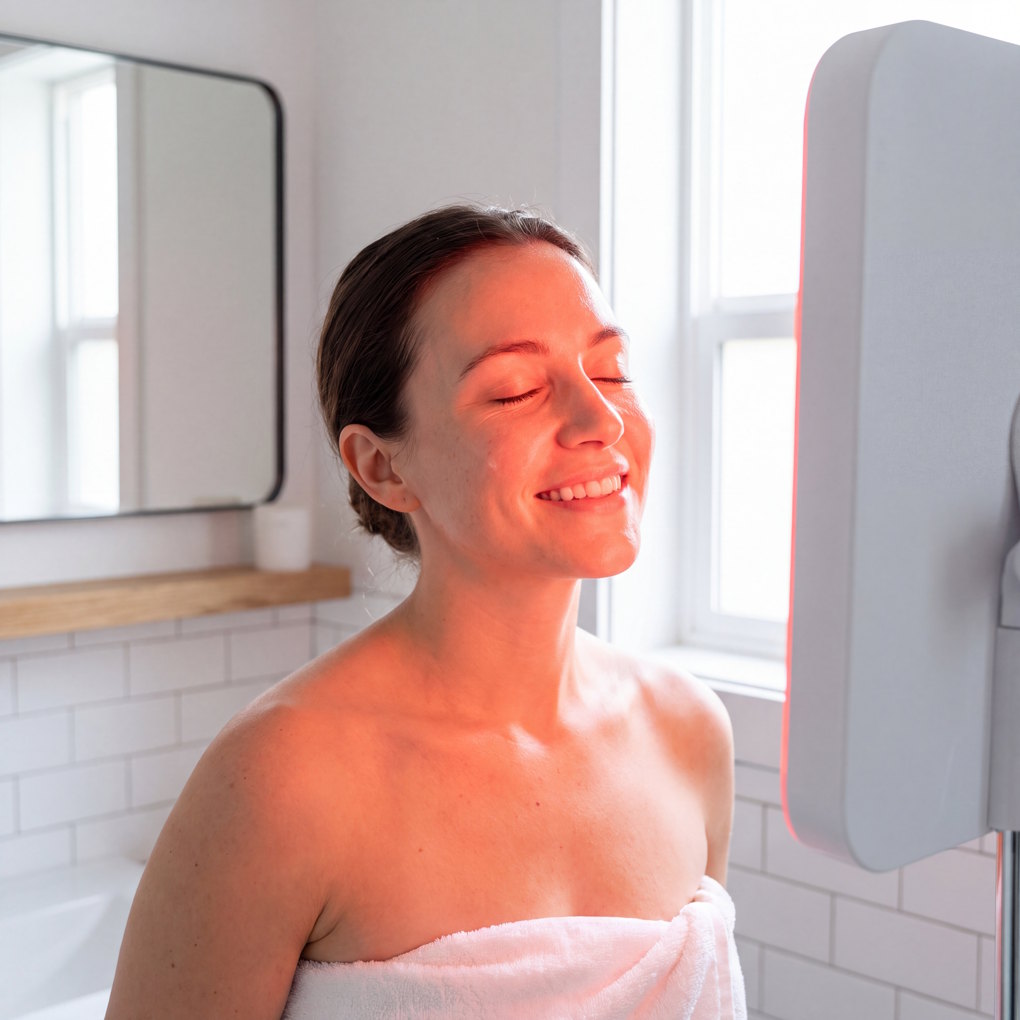
Red light therapy is highly popular in cosmetic skin treatments. Research suggests that photobiomodulation may stimulate collagen production. Collagen is the protein responsible for keeping your skin firm. More collagen can reduce the appearance of fine lines and wrinkles.
Can Red Light Therapy Improve Skin Texture?
Many users report noticeable changes in their skin. Potential improvements include enhanced skin smoothness and better elasticity. It may also help blur fine lines, giving your face a healthier, more rejuvenated overall appearance.
Does Red Light Therapy Help with Acne?
Red light targets inflammation, but it does not kill acne-causing bacteria. Blue light is what kills the bacteria. This is why you often see combination light treatments for acne. They use blue light to clear bacteria and red light to soothe the resulting redness. Results will depend entirely on the type and severity of your acne.
Can Red Light Therapy Help with Scars?
There is promising research around tissue repair and scar appearance. Red light therapy may help normalize the healing process. However, you should not expect complete scar removal. It is more about softening the scar’s appearance over time.
What Does Red Light Therapy Do for Muscles and Joints?
Can Red Light Therapy Help with Muscle Recovery?
Athletes and fitness enthusiasts frequently use this therapy. It is widely used to manage post-exercise soreness and speed up muscle recovery. You can use localized devices on specific sore muscles or full-body panels. Keep in mind that while anecdotal evidence is strong, current scientific evidence has some limitations.
Does Red Light Therapy Help Joint Pain?
Photobiomodulation research frequently looks at musculoskeletal conditions. Many people use it for temporary pain management related to joint stiffness. It may help ease everyday aches, though it is not a cure for chronic joint diseases.
Does Red Light Therapy Reduce Inflammation?
Reducing inflammation is one of the main proposed effects of photobiomodulation. However, its clinical significance varies. The actual reduction in inflammation depends heavily on your specific condition and the treatment protocol used.
What Does Red Light Therapy Do for Hair?
Can Red Light Therapy Help Hair Grow?
Low-level light therapy is a popular option for managing hair loss. Specific helmets and caps are designed to stimulate dormant hair follicles. The extracellular energy may encourage follicles to enter the active growth phase. To see results, you generally need repeated, consistent treatments over several months.
What Types of Hair Loss May Respond to Red Light Therapy?
Androgenetic alopecia, or pattern baldness, is the most studied area. Research shows it can be effective for this specific type. However, not every cause of hair loss responds the same way. Hair loss due to stress or nutrient deficiencies may need different interventions.
What Does Red Light Therapy Do for Your Face?
Facial red-light therapy has exploded in popularity for cosmetic purposes. It is a gentle, painless way to address multiple skin concerns at once. People use it to target fine lines, improve skin texture, calm redness, and support overall skin rejuvenation.
Red Light Therapy Masks vs Professional Treatments
At-home masks are incredibly convenient and easy to use. However, they are usually much less powerful than professional LED panels or handheld clinical devices. Professional treatments offer stronger wavelengths, higher irradiance, and customized treatment durations. Device quality differs substantially, meaning a clinical session will likely yield faster results than a home mask.
What Are the Potential Benefits of Red-Light Therapy?
Red light therapy offers several potential benefits without the need for invasive procedures.
Potential red light therapy benefits being researched or used clinically include:
- Supporting healthier-looking skin
- Improving the appearance of fine lines
- Supporting certain hair-growth treatments
- Helping manage some types of localized pain
- Supporting tissue recovery
- Influencing inflammatory processes
- Supporting wound-healing applications in certain medical settings
It is vital to clarify that the strength of scientific evidence is not uniform across all proposed benefits. Some uses have robust data, while others are still in the early stages of research.
How Long Does It Take for Red Light Therapy to Work?
Can You See Results After One Session?
You should not expect immediate changes after just one session. Cellular repair takes time. You might feel a temporary boost in circulation, but visible cosmetic or recovery results take patience.
How Many Red-Light Therapy Sessions Do You Need?
There is no single answer here. Your treatment schedule will vary depending on your specific goal and the body area being treated. It also depends on the device, light intensity, and wavelength. Always follow the recommended protocol for your specific machine.
How Long Do Red Light Therapy Results Last?
Results are rarely permanent. Because aging and physical stress continue, maintenance sessions are usually recommended. This is especially true for cosmetic skin uses and chronic joint pain management.
How Often Should You Use Red Light Therapy?
There is no universal schedule that works for every device or treatment goal. A high-powered clinical panel requires a different schedule than a low-powered home mask.
You must follow:
- Manufacturer instructions
- Healthcare-provider recommendations
- Recommended exposure times
Can You Use Red Light Therapy Every Day?
More exposure does not necessarily produce better results. In fact, overexpose your cells can negate the benefits. Your treatment frequency should strictly match the specific device and protocol you are following.
What Does Red Light Therapy Feel Like?
During a typical session, you simply sit or stand near the light source. The treatment does not hurt at all. You might feel a gentle, comforting warmth, but there is no intense heat. A session typically lasts between 10 and 20 minutes. There is absolutely no downtime, and you can resume normal activities immediately afterward.
Does Red Light Therapy Really Work?
The short answer is yes, but it depends entirely on what red light therapy is being used for.
Where Is the Evidence Stronger?
Clinical research is strongest in areas like skin rejuvenation, wound healing, and certain types of joint pain. These areas have established, growing bodies of scientific literature supporting their use.
Where Is More Research Needed?
Results can be difficult to compare across the board. Studies often use different wavelengths, devices, and treatment durations. Light intensities and patient populations also vary. Because of this, results from a high-end medical panel should not be automatically applied to a cheap, low-power home device.
Is Red Light Therapy Safe?
Photobiomodulation is generally considered safe and non-invasive. However, responsible device use is still important.
Does Red Light Therapy Damage Your Skin?
No, it does not. Red light therapy is completely different from ultraviolet (UV) exposure. It does not cause sunburns or mutate skin cells as UV rays do.
Can Red Light Therapy Damage Your Eyes?
Bright lights can cause eye strain. You should always follow the eye-protection instructions provided with your specific device, especially when using high-powered panels or facial masks.
Possible Red Light Therapy Side Effects
Side effects are rare and generally mild.
Possible topics to discuss:
- Temporary redness in the treated area
- Mild skin irritation
- Headaches or discomfort in some sensitive users
- Eye discomfort from bright, unshielded light
- Problems associated with excessive or incorrect use
Who Should Talk to a Doctor Before Using Red Light Therapy?
Always consult a professional if you fall into any of these categories.
This includes people who:
- Have medical conditions currently being treated
- Take photosensitizing medications
- Have certain eye conditions.
- Are you receiving treatment for serious illnesses like cancer?
- Are unsure whether a light-based device is appropriate for them
At-Home vs Professional Red-Light Therapy
At-Home Red Light Therapy Devices
Home devices offer fantastic convenience. You can use them while watching TV or reading. However, they are lower-powered devices. You trade clinical strength for treatment consistency.
Professional Red-Light Therapy
Professional settings offer much more specialized equipment. You also get a professional assessment and tailored treatment protocols. In a clinic, professionals can combine light therapy with other procedures where appropriate.
What Should You Look for in a Red Light Therapy Device?
If you are shopping for a device, pay attention to the details.
Cover these bases:
- Intended use for your specific goal
- Wavelengths offered (red vs near-infrared)
- Irradiance or power density (strength of the light)
- Required treatment distance
- Recommended treatment time
- Clear safety instructions
- FDA clearance when relevant to a medical-device claim
Red Light Therapy vs Other Light-Based Treatments
Red Light Therapy vs Blue Light Therapy
Red light penetrates deeper and focuses on inflammation and collagen. Blue light stays on the surface and is primarily used to kill acne-causing bacteria.
Red Light Therapy vs Infrared Therapy
Red light targets the skin. Near-infrared light reaches muscles. Traditional infrared therapy uses far-infrared heat to warm the body, much like a sauna.
Red Light Therapy vs Laser Therapy
LED-based red light therapy scatters light over a broad area. It differs significantly from higher-powered medical or cosmetic lasers, which use tightly focused, concentrated light beams to cut or ablate tissue.
Red Light Therapy vs UV Light
Red light therapy does not rely on ultraviolet radiation. It should never be confusing with tanning devices, and it will not give you a tan or cause UV damage.
Is Red Light Therapy Worth It?
Deciding if it is worth it depends on your specific goal. You should evaluate the strength of evidence for your particular use. Consider the device’s cost, the required treatment frequency, and the device’s quality. Keep your expectations realistic. Red light therapy is a supportive tool, not a replacement for proven medical treatments.
Frequently Asked Questions About Red Light Therapy
What Does Red Light Therapy Actually Do?
Red light therapy delivers specific wavelengths of light to the body to stimulate cellular energy production. It interacts with your cells to promote biological changes that may aid in tissue repair, reduce inflammation, and support healthier skin and muscle recovery.
What Does Red Light Therapy Do to Your Body?
It penetrates your skin to interact with cellular mitochondria. This process, called photobiomodulation, may boost energy production (ATP), helping your cells function more efficiently to repair damage, reduce inflammatory signals, and improve localized blood circulation.
What Does Red Light Therapy Do for Your Face?
For the face, it targets the skin’s surface layers to potentially stimulate collagen production. This can help smooth fine lines, improve overall skin elasticity, and calm temporary redness, leading to a healthier, more rejuvenated complexion.
What Does Red Light Therapy Do for Your Skin?
It supports skin health by increasing cellular energy and blood flow. This can help soften the appearance of scars, improve overall skin texture, and provide a subtle, healthy glow by encouraging natural repair processes.
What Does Red Light Therapy Do for Muscles?
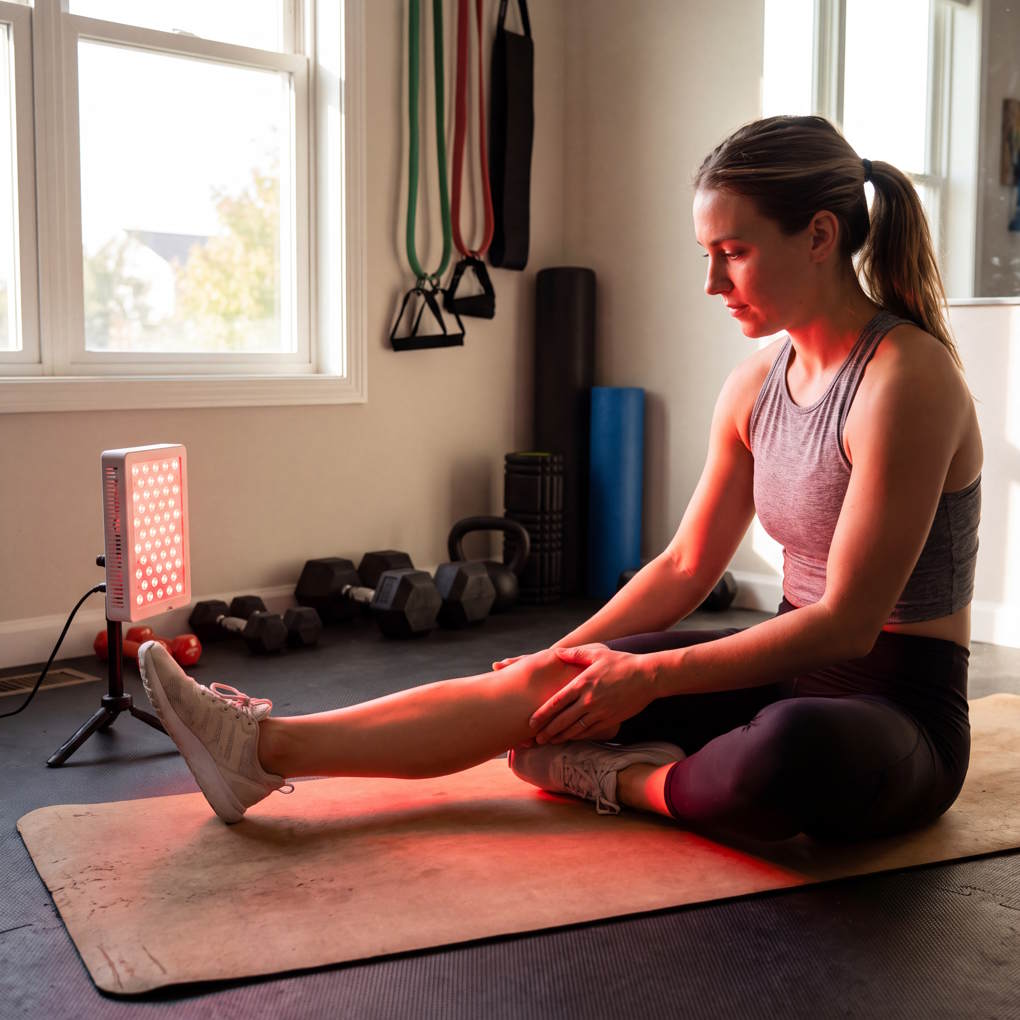
By penetrating deeper into the tissue, near-infrared wavelengths help stimulate cellular repair and increase blood flow to sore areas. This may help athletes manage post-exercise soreness, reduce localized inflammation, and speed up recovery times.
Does Red Light Therapy Really Work?
Yes, clinical evidence supports its use in specific applications such as skin rejuvenation and temporary relief of joint pain. However, effectiveness depends entirely on using the correct wavelength, a high-quality device, and the right treatment protocol for your specific issue.
How Quickly Does Red Light Therapy Work?
Results are rarely immediate. While you might feel a temporary increase in local circulation right away, cosmetic and recovery benefits usually require consistent use over several weeks or even months to become noticeable.
How Often Should You Do Red Light Therapy?
Treatment frequency varies by device and goal. Most clinical protocols suggest three to five sessions per week initially, followed by fewer maintenance sessions. Always follow the specific instructions provided by your device manufacturer or healthcare provider.
Is 10 Minutes Of Red Light Therapy Enough?
Yes, for many high-power panels, 10 to 20 minutes is the optimal treatment window. Exposure time depends on the light’s irradiance and your distance from the device. Exceeding recommended times does not yield better or faster results.
Can You Use Red Light Therapy Every Day?
While it is generally safe for daily use, doing it every day is not always necessary or beneficial. Cells need time to process the light energy. Following a structured schedule tailored to your specific device often yields better outcomes.
Does Red Light Therapy Burn Fat?
There is very little robust clinical evidence supporting red light therapy as an effective, standalone weight-loss or fat-burning solution. While heavily marketed for body contouring, it should not replace a healthy diet and regular exercise.
Do You Need to Wear Eye Protection During Red Light Therapy?
Yes, it is highly recommended. While red light is not inherently dangerous like UV light, the intense brightness of high-powered LED panels can cause significant eye strain and discomfort. Always use the provided protective eyewear.
Is Red Light Therapy Safe for Everyone?
It is generally safe and non-invasive. However, pregnant women, individuals with eye conditions, people undergoing cancer treatments, or those taking photosensitizing medications should consult a doctor before starting treatment.
What Does Red Light Therapy Do?
Ultimately, what does red light therapy do? It uses specific wavelengths of red and near-infrared light to influence biological processes in a process known collectively as photobiomodulation.
Providing your cells with a subtle boost of energy offers an array of potential benefits. Its most common applications today include supporting healthier skin, promoting hair growth, managing temporary pain, and aiding muscle recovery.
While it is a powerful tool, it is crucial to remember that effectiveness varies substantially depending on the condition being treated and the protocol used. Consistency and quality matter. Always encourage realistic expectations and seek appropriate professional guidance for any serious medical concerns.