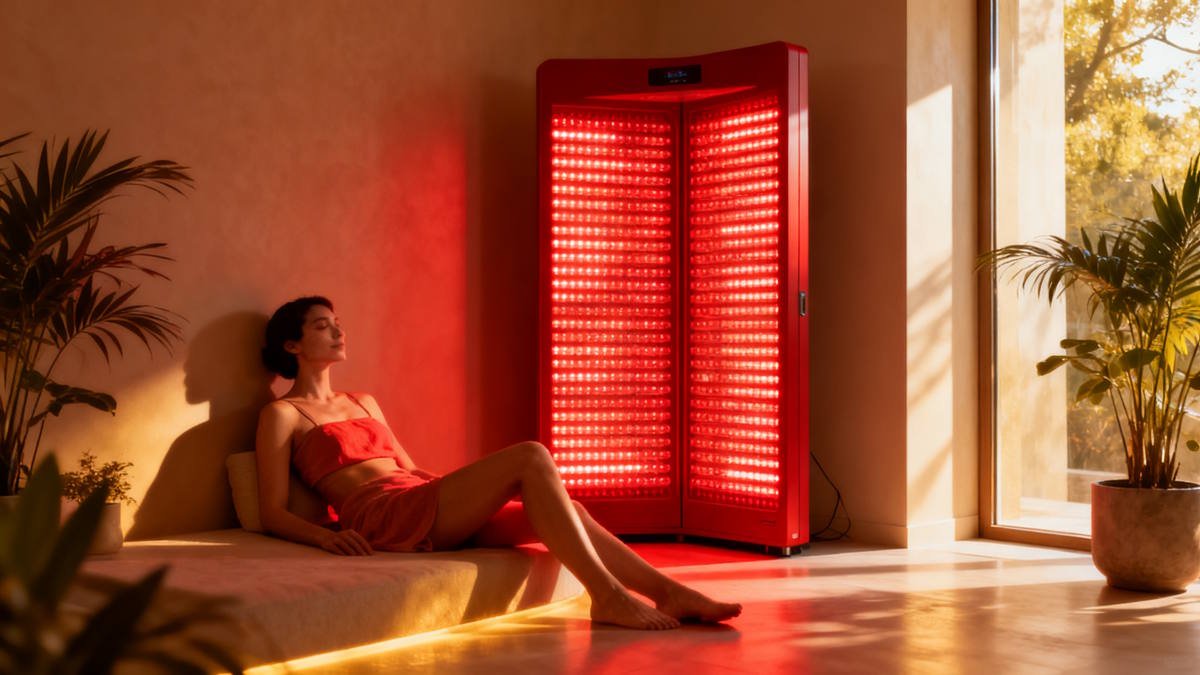
Many people today turn to wellness technologies to feel better, heal faster, and support healthy skin. However, when exploring new treatments, a common question arises: can red light therapy cause cancer? Red light therapy, also known as photobiomodulation, uses gentle light wavelengths to stimulate your body’s cellular energy. Unlike tanning beds or harsh solar radiation, standard red light therapy does not use damaging ultraviolet (UV) rays.
In this comprehensive guide, we will explore how red light affects your body at a cellular level. We will examine current cancer research, discuss skin and oral safety—including whether red light can regrow gums—and explain how to use this technology safely at home or in a clinic.
What Is Red Light Therapy?
Quick Summary: Red light therapy (photobiomodulation) is a non-invasive treatment that uses low-level wavelengths of red and near-infrared light. It penetrates the skin layers to stimulate cellular energy production (ATP) in the mitochondria, promoting natural tissue repair, reducing inflammation, and relieving pain without generating excessive heat or causing tissue damage.
Red light therapy works by delivering targeted wavelengths of light to your body’s cells. Mitochondria, the powerhouses inside your cells, absorb these light photons. This process boosts adenosine triphosphate (ATP) production, giving your cells more energy to repair damaged tissue and lower inflammation.
Most devices utilize specific wavelengths:
- Red Light: Typically ranges from 620 nm to 700 nm, making it ideal for treating the surface skin layers.
- Near-Infrared (NIR) Light: Ranges between 700 nm and 900 nm, allowing energy to penetrate deeper into muscles, joints, and organs.
It is vital to distinguish red light from ultraviolet (UV) light. UV light damages skin cells, whereas red and near-infrared wavelengths gently energize them.
People use red light therapy for a wide variety of everyday health goals:
- Skin Care: Reducing fine lines, improving elasticity, and calming acne.
- Wound Healing: Speeding up recovery from minor cuts, surgical incisions, or burns.
- Muscle Recovery: Lessening soreness after workouts and reducing stiffness.
- Pain Management: Easing chronic joint discomfort and arthritis symptoms.
- Hair Care: Encouraging follicle activity to support natural hair growth.
Can Red Light Therapy Cause Cancer?

Direct Answer: Current scientific evidence shows that red light therapy does not cause cancer. Unlike ultraviolet radiation, red light and near-infrared wavelengths fall into the non-ionizing spectrum. They do not possess enough energy to break chemical bonds, strip electrons, or mutate cellular DNA, all of which are processes that trigger cancerous growth.
When people wonder, “Can red light therapy cause cancer?”, they often confuse red light with damaging sun exposure or tanning equipment. Cancer develops when genetic mutations force cells to divide uncontrollably. Radiation causes these mutations by tearing apart DNA structures inside cell nuclei.
Red light therapy operates on a completely different physical mechanism. The light energy is non-ionizing, meaning it lacks the energy required to directly mutate genes.
However, researchers distinguish between causing cancer and stimulating existing abnormal cells. Because red light boosts cellular energy and blood flow, scientists continue to study how photobiomodulation interacts with active tumors. Long-term research remains ongoing to ensure complete safety profiles for every medical scenario.
Does Red Light Therapy Use UV Radiation?
The short answer is no. Standard red light therapy devices do not emit ultraviolet (UV) radiation.
To understand why this matters, consider the electromagnetic spectrum:
- Ultraviolet Rays (UVA and UVB): High-frequency, high-energy light waves. Excessive exposure causes sunburns, premature aging, and DNA damage that leads to skin cancer.
- Visible Red Light: Lower-frequency light that the human eye can see. It warms tissues gently without harming DNA.
- Near-Infrared Light: Invisible light situated just past visible red on the spectrum. It penetrates deeper tissue safely.
Tanning beds rely on harmful UV radiation to darken skin pigment. In contrast, red light devices completely exclude UV wavelengths. They do not tan your skin or trigger radiation-induced skin damage.
Can Red Light Therapy Make Existing Cancer Grow?
Direct Answer: While red light therapy does not turn healthy cells into cancer, it can stimulate cell metabolism and blood vessel formation. Because tumor cells might theoretically utilize this extracellular energy to grow, experts advise against applying red light therapy directly over known cancerous tumors or active lesions without strict medical guidance.
Because photobiomodulation increases ATP production and stimulates circulation, medical researchers exercise caution when treating areas with active malignancies.
Key differences exist between causing new cancer and affecting an existing disease:
- Direct Causation: Red light lacks the genetic toxicity to turn healthy cells into malignant cells.
- Impact on Existing Tumors: Increased blood flow and cellular activity could potentially support the metabolic demands of existing tumor cells.
If you have a current cancer diagnosis or a history of cancer, always consult your oncologist before using light therapy devices. Avoid placing light panels directly over known tumor sites unless your medical team specifically prescribes it as part of supervised supportive care.
Does Red Light Therapy Damage DNA?
DNA damage is the root cause of malignant tumor formation. To cause DNA damage, light energy must be ionizing—meaning high enough in energy to break chemical bonds inside human cells.
- Ionizing Radiation: X-rays, gamma rays, and extreme UV light carry enough force to mutate cellular DNA.
- Non-Ionizing Light: Visible red and near-infrared light do not possess sufficient photon energy to mutate genes or alter DNA strands.
Current scientific consensus confirms that standard red light therapy is non-ionizing and safe for DNA integrity. While researchers continue studying the biological impact of long-term daily usage, short-term and regular therapeutic doses show no signs of genetic toxicity.
Is Red Light Therapy Safe for the Skin?
For the vast majority of healthy users, red light therapy is safe, non-invasive, and well-tolerated. However, minor short-term side effects can occur if devices are used incorrectly.
Common mild reactions include:
- Temporary skin redness or a warm sensation.
- Mild, short-lived skin irritation or tightness.
- Eye strain or discomfort when viewing bright LEDs directly without eye protection.
Risks increase when individuals overuse devices or position them too close to the skin. Overheated tissues can cause mild thermal burns or exacerbate skin inflammation. Always follow manufacturer guidelines regarding session times and distance.
Can Red Light Therapy Cause Skin Cancer?
Red light therapy does not cause skin cancer. Skin cancers, such as melanoma or basal cell carcinoma, stem primarily from UV radiation damage. Since red light devices emit zero UV rays, they do not trigger the cellular mutations associated with skin malignancies.
Unlike commercial tanning beds, red light panels do not damage the epidermis or alter cellular DNA. However, you should never assume every new skin bump is harmless. If you notice any changes in moles, bleeding spots, or unusual lesions, see a dermatologist promptly for a professional evaluation.
Who Should Be Careful With Red Light Therapy?
Although photobiomodulation is safe for most people, certain individuals should take extra precautions or avoid treatment altogether:
- People Undergoing Cancer Treatment: Light energy might interfere with radiation or chemotherapy protocols.
- Cancer Survivors: Consult an oncologist before resuming light therapies near former tumor sites.
- Individuals Taking Photosensitizing Drugs: Certain antibiotics, acne medications, and heart drugs make skin hypersensitive to light.
- People with Photosensitivity Disorders: Conditions like lupus can trigger flare-ups when exposed to intense light.
- Anyone with Unexplained Skin Lesions: Never shine light panels over suspicious, changing, or unexamined moles.
- Pregnant Individuals: While no direct risk is proven, evidence is limited for treating the abdomen during pregnancy. Always seek medical advice first.
Can Red Light Therapy Regrow Gums?
Direct Answer: Red light therapy cannot physically regrow lost gum tissue or recreate severe periodontal bone loss. However, oral photobiomodulation can support gum health by reducing localized inflammation, improving microcirculation, easing oral discomfort, and accelerating tissue recovery after professional dental cleanings or periodontal surgeries.
Gum recession happens when the tissue surrounding your teeth pulls back, exposing tooth roots. Common causes of receding gums include:
- Advanced periodontal disease.
- Aggressive, hard-bristle toothbrushing.
- Genetic predispositions toward thin tissue.
- Habitual night-time teeth grinding (bruxism).
- Chronic tobacco smoking or vaping.
While red light therapy stimulates collagen production and improves tissue healing, it cannot rebuild lost gum margins once they recede significantly. Severe gum recession usually requires professional dental procedures, such as tissue grafting or regenerative surgery. Red light serves best as a supportive tool to maintain healthy gum tissue and speed post-treatment healing.
Can Red Light Therapy Help With Gum Disease?
Photobiomodulation offers beneficial support for overall periodontal care. Gum disease, or gingivitis and periodontitis, is caused by bacterial plaque buildup that triggers severe soft-tissue inflammation.
Red and near-infrared light can assist in several ways:
- Lowering Inflammation: Decreases inflammatory cytokines in gum tissues.
- Enhancing Local Blood Flow: Delivers oxygen and essential nutrients to swollen gums.
- Accelerating Healing: Helps tissue bounce back after deep dental cleanings or root planing.
Despite these benefits, light therapy cannot destroy hardened tartar (calculus) or replace dental hygiene. You must continue brushing, flossing daily, and attending regular professional dental cleanings to manage gum disease effectively.
Is Red Light Therapy Safe for the Mouth?
Oral red light therapy devices use specially designed mouthpieces or light wands tailored for intraoral use. When used correctly, these devices are safe and effective for target oral tissues.
To ensure oral safety:
- Use devices specifically tested and approved for mouth use.
- Ensure light wavelengths stay within safe ranges (typically 630 nm to 850 nm).
- Avoid excessive treatment times that generate unwanted heat in delicate oral tissues.
- Consult your dentist before starting home oral light treatments, especially if you suffer from severe gum disease or painful mouth sores.
How Long Should You Use Red Light Therapy?
Treatment duration depends on the specific device, light power output (irradiance), and the target treatment area. Most home devices require sessions lasting between 10 and 20 minutes per area.
Why longer sessions aren’t always better:
Photobiomodulation follows a “biphasic dose response.” This means that up to a certain point, more light energy yields better cellular response. However, exceeding the optimal dose can diminish benefits or cause mild tissue irritation. Always adhere to the manufacturer’s time recommendations rather than assuming longer sessions yield faster results.
How Often Can You Use Red Light Therapy?
Most wellness experts recommend using red light therapy 3 to 5 times per week for optimal results. Some people use light therapy daily for short periods to address acute issues like post-workout muscle soreness or surgical wound healing.
Key considerations for frequency:
- Listen to your body and monitor skin responses carefully.
- If you experience redness, dryness, or heat sensitivity, reduce session frequency.
- Consistency over weeks yields better long-term cellular benefits than intense, sporadic overuse.
How to Use Red Light Therapy Safely
Follow these practical steps to ensure safe, effective treatment at home:
- Choose Reputable Equipment: Select devices tested by recognized safety bodies with clearly listed wavelengths.
- Verify Wavelengths: Look for devices delivering 630–660 nm (red) and 810–850 nm (near-infrared) light.
- Maintain Proper Distance: Position yourself at the manufacturer’s recommended distance (typically 6 to 18 inches).
- Cap Your Exposure Time: Limit individual sessions to 10–20 minutes.
- Protect Your Eyes: Wear dark safety goggles when sitting close to intense light panels or facial devices.
- Avoid Suspicious Spots: Never shine light panels over unexplained skin growths or unverified moles.
- Consult Healthcare Providers: Seek medical clearance if you have active health conditions, recent surgeries, or skin sensitivities.
Red Light Therapy vs. Other Types of Light Therapy
Understanding how red light differs from other light modalities helps clarify its distinct safety profile:
| Light Therapy Type | Wavelength Range | Main Biological Effect | Cancer Risk Profile |
| Red & Near-Infrared Therapy | 620 nm – 850 nm | Boosts cellular ATP, reduces inflammation, speeds healing | No known link to cancer (Non-ionizing light) |
| Ultraviolet (UV) Therapy | 100 nm – 400 nm | Triggers melanin production, helps treat psoriasis | Known cancer risk (Ionizing radiation, damages DNA) |
| Laser Therapy (High-Power) | Variable | Precision cutting, deep thermal coagulation | Low radiation risk, but high risk for burn injuries |
Red Light Therapy vs. Infrared Therapy
While red light targets surface skin layers, near-infrared and far-infrared light reach deeper tissue levels. Far-infrared therapies rely heavily on radiant heat (such as infrared saunas), whereas red light photobiomodulation focuses on activating cellular energy without excessive heat.
Red Light Therapy vs. Laser Therapy
Medical lasers use concentrated, coherent beams of high-power light that produce localized heat for surgical cuts or deep ablation. Consumer red light panels use non-coherent LEDs that gently distribute energy across broader surface areas safely.
When Should You Talk to a Doctor Before Using Red Light Therapy?
Always consult a medical or dental professional prior to using red light devices under these circumstances:
- You have a current cancer diagnosis or are receiving cancer treatments.
- You have a personal history of skin cancer or abnormal skin lesions.
- You notice new, changing, or bleeding skin growths.
- You take prescription medications known to cause photosensitivity.
- You suffer from chronic autoimmune conditions affecting your skin or light sensitivity.
- You experience persistent dental issues, bleeding gums, or loose teeth.
- You experience unexpected pain, a rash, or skin discoloration after light therapy.
Frequently Asked Questions About Red Light Therapy and Cancer
Does Red Light Therapy Increase Cancer Risk?
No. Red light therapy uses non-ionizing visible red and near-infrared light that lacks the energy to damage DNA or trigger cancer cell development.
Can Red Light Therapy Cause Skin Cancer?
No. Red light devices do not produce harmful UVA or UVB rays. Skin cancers are caused by ultraviolet radiation, which is absent in standard red light therapy.
Is Red Light Therapy Safe for Cancer Survivors?
Cancer survivors should consult their oncologist before using light therapy. While red light does not cause cancer, consulting a specialist helps ensure safety around prior tumor sites.
Can You Use Red Light Therapy During Cancer Treatment?
You should use red light therapy only during active cancer treatments under direct medical supervision, as energy absorption may alter treatment efficacy or cellular responses.
Can Red Light Therapy Be Used Over a Tumor?
No. You should never apply red light therapy directly over known cancerous tumors, as increased blood circulation and cellular ATP could theoretically support tumor metabolism.
Does Red Light Therapy Contain UV Rays?
Legitimate red light therapy devices emit zero UV rays. They focus exclusively on red and near-infrared spectrums.
Can Red Light Therapy Damage Your DNA?
No. Red and near-infrared light are non-ionizing, meaning they cannot break chemical bonds or mutate cellular DNA structures.
Can Red Light Therapy Regrow Gums?
No. Red light therapy cannot physically regrow lost gum tissue or reverse severe recession, though it can help lower gum inflammation and support post-procedure healing.
Can Red Light Therapy Help Receding Gums?
It can help calm inflamed tissue and support overall oral recovery, but it cannot restore receded gums to their original position. Structural restoration requires professional dental treatments.
Is Red Light Therapy Safe To Use Every Day?
Yes, short daily sessions (10–20 minutes) are generally safe for healthy individuals. However, exceeding the recommended daily time yields no additional benefits and may irritate the skin.
Will Red Light Therapy Cause Cancer?
When evaluating wellness practices, ask if red light therapy can cause cancer. It is a natural and wise precaution. Fortunately, science offers clear reassurance: red light therapy relies on non-ionizing light energy that does not emit damaging UV rays or harm cellular DNA.
While it does not cause cancer, caution remains necessary. Individuals with active tumors, a history of cancer, or photosensitive health conditions should always seek guidance from an oncologist or healthcare provider before starting therapy. Similarly, while oral red light therapy supports overall gum health and reduces inflammation, it cannot replace professional dental procedures or regrow significantly lost gum tissue.
By choosing high-quality equipment, adhering to recommended exposure limits, and consulting medical specialists when needed, you can safely and confidently enjoy the healing benefits of photobiomodulation.