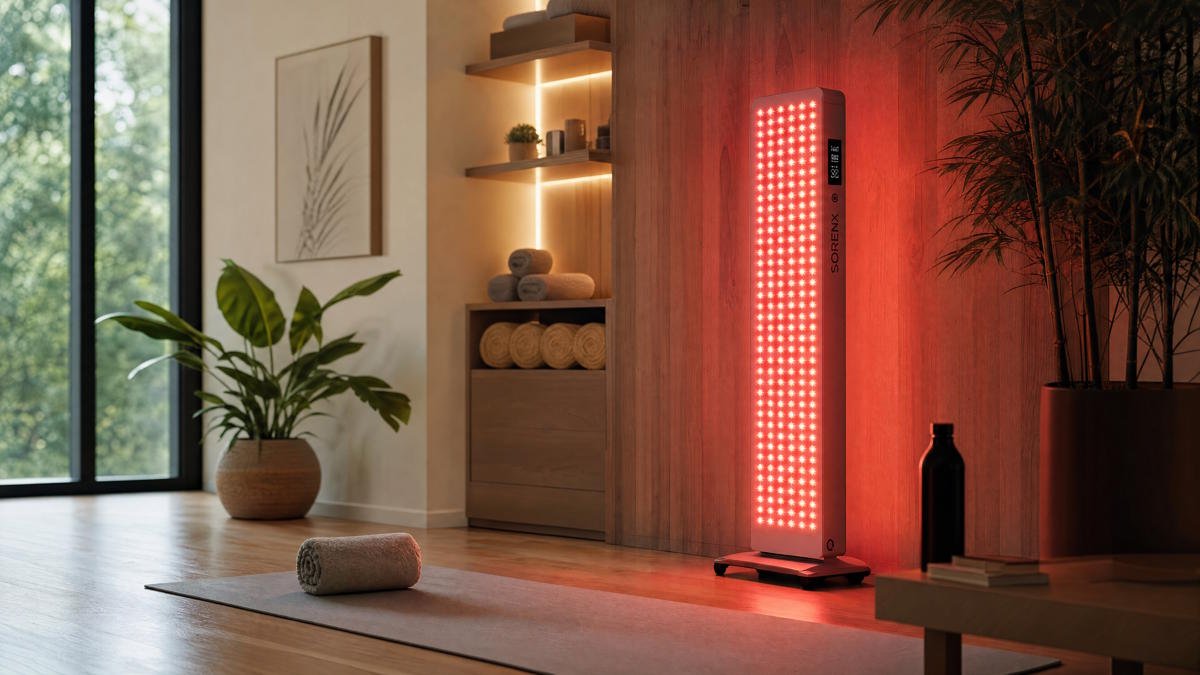
If you want to revitalize your skin and recover faster from tough workouts at home, finding the best full-body red light therapy device can transform your daily wellness routine. Light therapy has quickly shifted from exclusive medical spas right into modern living rooms. Millions of people now use light-emitting diode (LED) devices to recharge their bodies safely and naturally.
These non-invasive systems deliver gentle red and near-infrared light directly to your skin cells. People explore light therapy for many reasons. Some want smooth, glowing skin. Others need relief from joint stiffness or muscle fatigue after exercise.
Today, you can choose from full-body red light therapy panels, flexible wraps, and compact wands. Finding your ideal device depends on your coverage goals, power needs, safety features, and budget. In this guide, you will learn how LED light therapy works, its main health benefits, the categories of devices, and key buying tips.
What Is LED Light Therapy?
| Quick Answer: What is LED light therapy? LED light therapy is a non-invasive treatment that uses light-emitting diodes to deliver specific light wavelengths to biological tissues. It stimulates cellular energy production, supporting tissue repair, skin regeneration, and muscle recovery without harsh heat or ultraviolet radiation. |
Understanding How LED Light Therapy Works
LED light therapy relies on a process called photobiomodulation. When light particles enter your skin, specialized photoreceptors inside your cells absorb them. Specifically, the mitochondria—the powerhouses of your cells—absorb this light energy.
This interaction encourages your mitochondria to create more adenosine triphosphate (ATP). Higher ATP levels supply your cells with the fuel needed to repair damaged tissue and rebuild collagen. The process stimulates healing naturally without damaging surrounding tissue.
Red Light vs. Near-Infrared Light Therapy
Visible red light typically ranges from 620 to 700 nanometers (nm). Skin tissue absorbs red light close to the surface. Therefore, red light therapy for skin works wonderfully to refine texture, reduce fine lines, and boost surface circulation.
In contrast, near-infrared light ranges from 700 to 1,100 nm. Because near-infrared light is invisible to the human eye, it penetrates much deeper into your body. It reaches muscles, nerves, tendons, and deep joints.
When comparing red light therapy vs. infrared therapy, red light treats the surface of the skin, while near-infrared reaches deeper tissues. Most full-body red light therapy devices mix red light at 660 nm with near-infrared light at 850 nm for balanced treatment.
How Full Body Red Light Therapy Differs From Targeted Treatments
Targeted light devices focus light energy on a small spot, such as your face or knee. Full-body devices immerse your entire torso, arms, and legs in restorative light at once.
Systemic exposure offers tremendous convenience. You do not need to move a small device across different body parts for an hour. A single session treats your whole body, helping you save valuable time while promoting total-body relaxation.
Red Light Therapy Benefits
| Quick Answer: What are red light therapy benefits? Key red light therapy benefits include boosted collagen production, smoother skin texture, reduced muscle soreness, accelerated workout recovery, and relieved joint stiffness. It delivers targeted light wavelengths to enhance cellular repair and calm systemic inflammation naturally. |
Supports Skin Health and Appearance
Using red light therapy for skin can visibly transform your complexion over time. The light energizes fibroblasts, which produce structural skin proteins. As collagen levels increase, fine lines, wrinkles, and acne scars gradually fade.
Additionally, red light boosts microcirculation in your dermal capillaries. Better blood flow brings fresh oxygen and nutrients directly to your skin. Regular sessions help you achieve a firmer, brighter, and more youthful tone naturally.
May Help With Muscle Recovery and Discomfort
Using red light therapy for muscle recovery is hugely popular among athletes and fitness enthusiasts. Exposure to near-infrared light before or after heavy workouts reduces delayed onset muscle soreness (DOMS). It accelerates cellular clearance of metabolic waste, such as lactic acid.
Light therapy also reduces swelling and calms temporary joint stiffness. Gentle light photons support natural tissue rebuilding in overworked muscles and tendons. As a result, you rebound faster after intense physical activities.
May Support Certain Healing Processes
Clinical studies highlight the use of photobiomodulation in wound care and surgical recovery settings. Low-level light therapy supports skin graft integration and calms acute incision sites under medical supervision.
However, consumer full-body panels operate differently than high-power clinical laser systems. At-home light panels provide gentle wellness support rather than immediate medical wound care. Always keep realistic expectations for home-use systems.
Other Potential Red Light Therapy Benefits
Emerging research shows that evening red light exposure can support healthy circadian rhythms. Unlike harsh blue screen light, soft red wavelengths encourage natural melatonin production. As a result, many users report deeper, more restorative night sleep.
Preliminary studies also suggest that red light can boost morning energy and support mood during the dark winter months. While research continues, consistent daily light sessions help balance overall daily energy and mood.
Best Full Body Red Light Therapy Devices: Types and Features
| Quick Answer: What are the main types of full body red light therapy devices? The main full body red light therapy devices include wall-mounted standing panels, full-body light beds, flexible light blankets or mats, and modular expandable setups. Each type offers unique advantages in coverage, storage space, and overall portability. |
Full Body Red Light Therapy Panels
Tall standing or wall-hung red light therapy panels are the most popular home option. These rigid towers house dozens of powerful medical-grade LED chips. They project high irradiance across your whole body from a short distance.
Panels give you complete positioning control. You can stand, sit, or lie down in front of them during treatments. While heavy full-body panels need dedicated floor space, they offer unmatched durability and power output.
Red Light Therapy Beds
Red light therapy beds look similar to commercial tanning beds. They feature curved upper and lower canopies lined with thousands of bright LEDs. You lie comfortably inside for total front-and-back coverage simultaneously.
While beds deliver ultimate relaxation and high power, they are extremely expensive. They also demand a large, dedicated room in your house. For most home users, standing panels offer comparable clinical performance at a fraction of the cost.
Red Light Therapy Mats and Blankets
Flexible red light therapy mats and sleeping-bag style blankets offer great versatility. They let light diodes lie directly against your skin while you relax on a bed or couch. They roll up easily for compact closet storage.
However, flexible mats typically deliver lower power output than heavy panels. Contact heat from tight wraps can also cause mild sweating. You must wipe down mat surfaces carefully after each session to maintain good hygiene.
Modular Red Light Therapy Systems
Modular systems let you start small and grow your setup over time. You can buy one medium panel today and link a second or third panel later using connecting brackets. Linked cables synchronize controls across all panels.
This modular approach protects your wallet. You get targeted treatments now, then expand into full-body red light therapy at home whenever your space and budget allow.
| Device Type | Coverage Area | Power & Irradiance | Storage & Portability | Best Suited For |
| Standing Panels | Full torso & legs (50–70 inches) | High to Very High | Fixed / Floor Stand required | Serious home wellness & athletic recovery |
| Light Beds | 360-degree total body | Maximum clinical output | Requires dedicated room | Commercial spas & luxury home setups |
| Flexible Mats | Full length (direct contact) | Moderate power density | Folds into compact bag | Travelers & small living spaces |
| Modular Systems | Expandable (1 to 4 panels) | Customizable power levels | Adjustable wall mounts | Long-term custom home builds |
How to Choose the Best Full Body Red Light Therapy Device
| Quick Answer: How do you choose the best full body red light therapy device? To select the best full body red light therapy device, evaluate proven light wavelengths (660nm red and 850nm near-infrared), high irradiance output (>100 mW/cm² at 6 inches), third-party safety certifications (like FDA clearance), and sturdy build quality backed by a reliable multi-year warranty. |
Wavelengths and Treatment Goals
Always verify the exact light wavelengths published by the manufacturer. Clinical research repeatedly supports red light at 660 nm and near-infrared light at 850 nm. These specific frequencies match cellular photoreceptors precisely.
Avoid cheap devices that use generic red bulbs without published nanometer specs. Unspecified light frequencies will not penetrate the skin or effectively stimulate cellular ATP production.
Irradiance, Power, and Treatment Coverage
Irradiance measures how much light energy reaches a specific surface area and is calculated in milliwatts per square centimeter (mW/cm²). Higher irradiance means your body absorbs a therapeutic dose in less time.
Look for devices delivering at least 100 mW/cm² at a realistic 6-inch distance. Always check the test distance. Some manufacturers inflate numbers by measuring right against the glass lens, which distorts true home performance.
Device Size, Adjustability, and Ease of Use
Consider where you will place your panel before purchasing. Ensure you have a clear wall or sturdy door for hanging hardware. If wall mounting is impossible, choose a panel with a rolling floor stand.
Look for built-in digital timers and clear remote controls. Automatic shut-off features make sessions effortless and prevent accidental overexposure if you drift off during treatment.
Safety Certifications and Manufacturer Transparency
Choose full-body red light therapy devices from transparent manufacturers. Reputable brands publish independent lab test results confirming light spectrum accuracy and low electromagnetic field (EMF) emissions.
Check for safety marks like FDA clearance, CE, or ETL certifications. These independent checks confirm electrical safety, durable build quality, and accurate health claims.
Price and Long-Term Value
Quality full-body panels usually cost between $800 and $2,500. While cheap panels under $300 seem tempting, they often feature weak LED chips, noisy cooling fans, and short lifespans.
Invest in a well-reviewed system backed by a 3- to 5-year warranty. Reliable customer support and long-lasting LEDs ensure your panel delivers daily wellness for years to come.
Best Handheld LED Light Therapy Device vs. Full Body Red Light Therapy
| Quick Answer: Handheld device vs full body red light therapy: Handheld LED devices treat localized spots like facial wrinkles, knees, or wrists with great portability and low cost. Full-body devices treat large areas simultaneously, saving significant time for systemic muscle recovery and comprehensive skin health. |
What Is a Handheld LED Light Therapy Device?
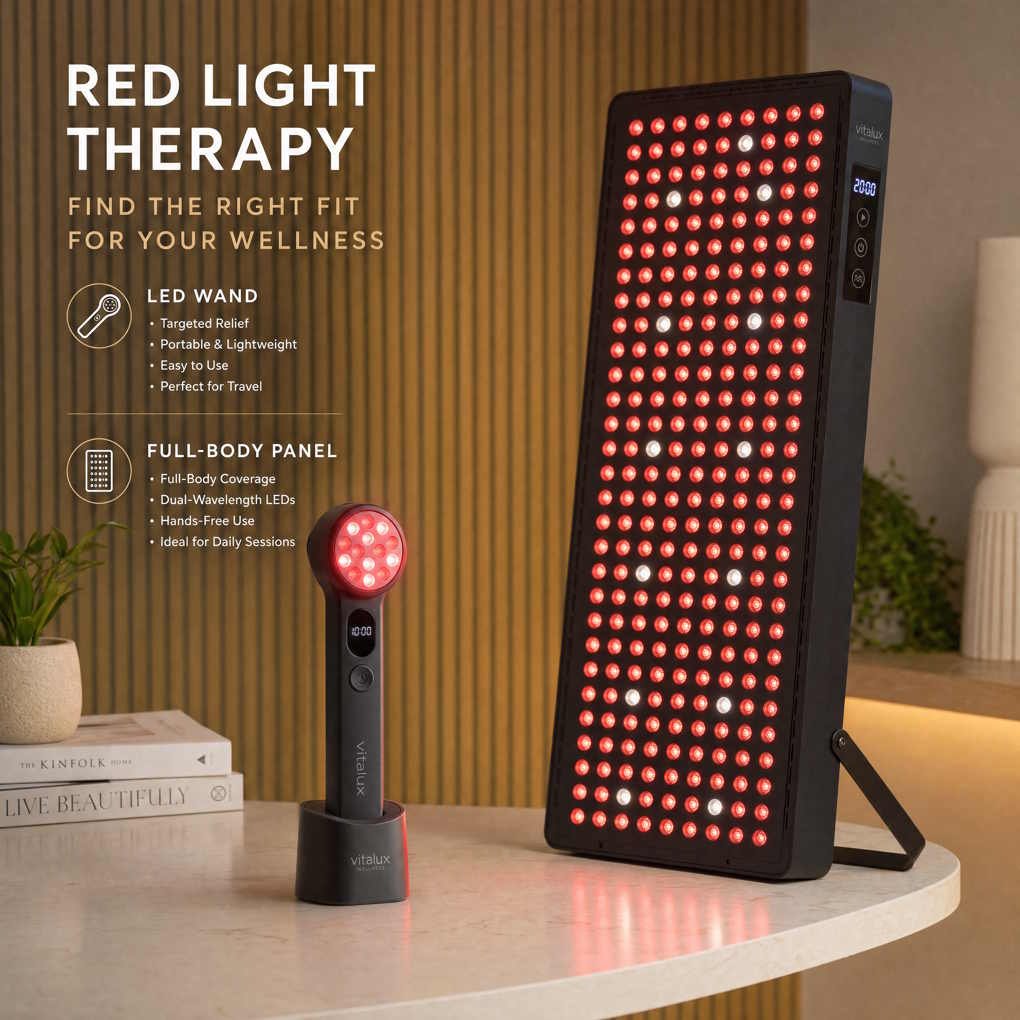
A handheld device is a compact, lightweight wand or small light pad. These battery-powered or corded wands weigh under two pounds. They fit easily into a bathroom drawer or travel suitcase.
You hold the light head directly over specific target areas, such as your forehead, jawline, or an aching elbow joint. They offer an easy, low-cost entry point to light therapy.
Benefits of Handheld Red Light Therapy Devices
Handheld wands shine when you want focused facial skin treatments or targeted joint relief. They let you treat delicate contours, such as under-eye areas or small scars, with high precision.
Finding the best handheld LED light therapy device gives you incredible travel convenience. You can maintain your daily skincare routine anywhere without having to carry heavy equipment.
When Should You Choose a Full Body Device Instead?
If you want to treat your back, chest, legs, and arms every day, a handheld wand becomes impractical. Moving a small wand across your whole body takes over an hour per session.
Choose a full-body system for total workout recovery, widespread skin benefits, and maximum time savings. A panel treats your entire body in just 15 minutes.
| Feature | Full Body Red Light Device | Handheld LED Device |
| Coverage | Large body areas (torso, back, legs) | Small, targeted areas (face, joints) |
| Portability | Low (heavy, needs wall/stand mount) | Very High (lightweight, travel-friendly) |
| Storage | Requires dedicated floor or door space | Fits easily in drawers or bags |
| Initial Cost | Higher investment ($800 – $2,500+) | Budget-friendly ($50 – $250) |
| Best Suited For | Broad treatment & post-workout recovery | Localized skincare & single-joint relief |
How to Use Full Body Red Light Therapy at Home
| Quick Answer: How do you use full body red light therapy at home? To use full body red light therapy at home safely, place your device in a quiet room, stay 6 to 12 inches away from LEDs, wear dark protective goggles, and run sessions for 10 to 20 minutes per day, 3 to 5 times weekly. |
Preparing for Your First Session
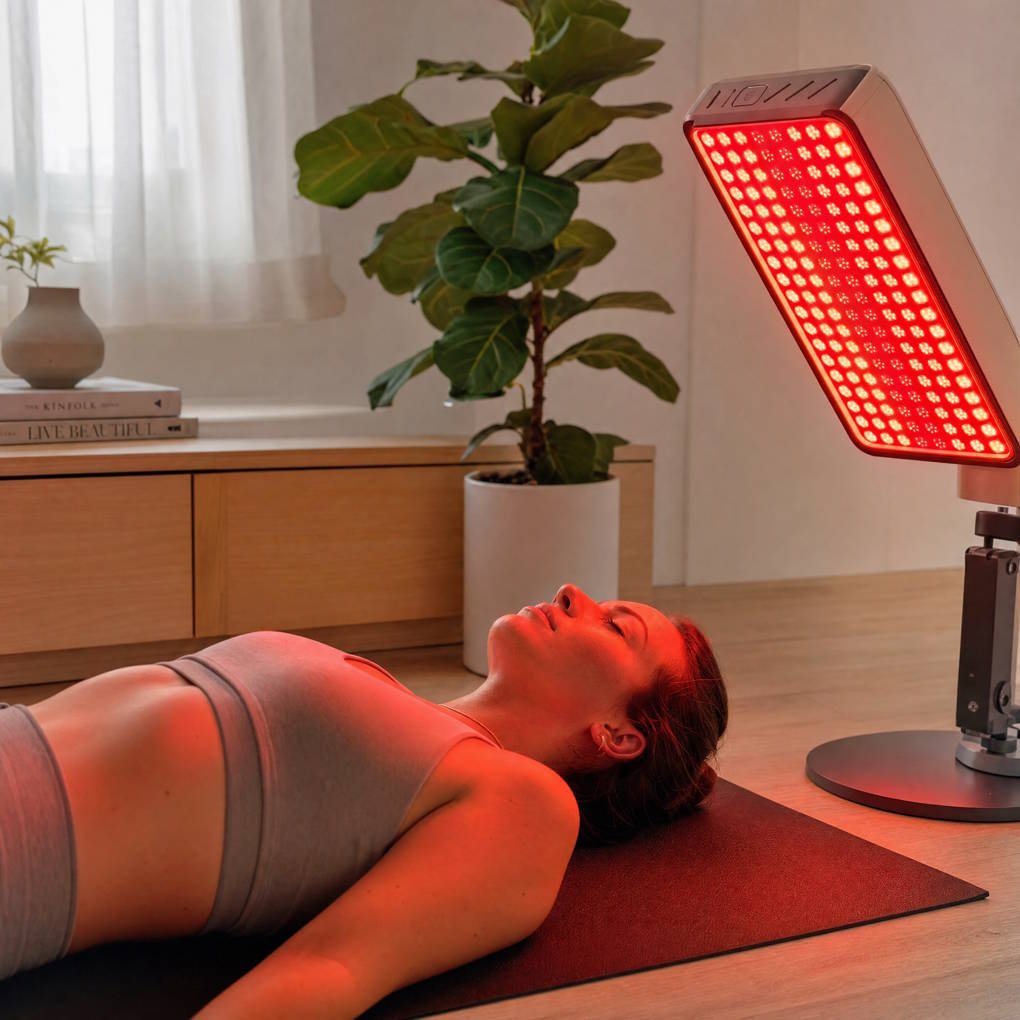
Set up your full body red light therapy at home in a clean, quiet space where you can relax comfortably. Position your panel securely on a door mount or heavy rolling stand.
Remove clothing over the target areas so light photons shine directly on clean, bare skin. Put on the opaque protective safety goggles included with your panel before switching on the LEDs.
How Long Should a Red Light Therapy Session Last?
Most home light therapy sessions should last between 10 and 20 minutes per side of the body. Stand or sit roughly 6 to 12 inches away from the panel face.
Do not assume that longer sessions produce better results. Skin cells hit an energy saturation point after 20 minutes. Additional light exposure beyond this limit offers no added benefit.
How Often Should You Use Red Light Therapy?
Consistency is key to seeing noticeable improvements in skin and muscle. Aim for 3 to 5 sessions per week when starting out.
Give your body time to process cellular energy and build collagen. Most users notice healthier skin texture and reduced stiffness after 4 to 6 weeks of regular sessions.
Is Full Body Red Light Therapy Safe?
| Quick Answer: Is full body red light therapy safe? Yes, full body red light therapy is safe and non-invasive for most healthy adults. It produces no harmful ultraviolet (UV) rays and zero tanning burns. However, proper eye protection is essential, and people taking light-sensitive medications should consult a doctor first. |
Potential Side Effects
Red light therapy is exceptionally gentle and free from harsh UV radiation. Side effects are rare, mild, and temporary.
Some users experience mild temporary skin redness or tightness after sessions. Sitting too close to bright LEDs can also cause temporary eye fatigue if you skip safety goggles.
Who Should Consult a Healthcare Professional First?
If you take photosensitizing medications, such as certain antibiotics or acne treatments, talk to your doctor before starting light therapy. These drugs make your skin unusually reactive to bright light.
Pregnant individuals and people with active skin lesions or photosensitive conditions like lupus should seek medical guidance before using light panels.
Common Safety Mistakes to Avoid
Never stare directly into glowing LEDs without eye protection. Powerful near-infrared light can strain sensitive retinal tissues over time.
Avoid overusing your panel multiple times a day out of impatience. Stick to the recommended times and maintain a safe 6- to 12-inch distance from glowing lenses.
Full Body Red Light Therapy vs. Other Light-Based Treatments
| Quick Answer: Red light vs other light treatments: Red light therapy uses cool photon energy to boost cellular ATP without heat. Infrared saunas use far-infrared heat to induce heavy sweating. Blue light therapy targets surface skin bacteria to treat active acne outbreaks. |
Red Light Therapy vs. Infrared Saunas
Infrared saunas use far-infrared light waves to produce intense atmospheric heat. This thermal energy raises your core body temperature, inducing heavy sweating and cardiovascular stress.
In contrast, red light therapy panels remain cool. Photons energize your cells without heating up the room or causing sweating. The two treatments support wellness in completely different ways.
Red Light Therapy vs. Blue Light Therapy
Blue light has a shorter wavelength, around 415 nm. Skin tissue absorbs blue light right at the surface, where it destroys acne-causing bacteria.
Red light reaches deeper into the dermal layer to calm swelling and boost collagen. Many skincare enthusiasts combine blue and red light to clear breakouts while speeding up healing.
Professional LED Therapy vs. At-Home Devices
Dermatologist clinics use high-powered light beds with customized medical protocols. These supervised sessions deliver rapid results but cost $100 to $300 per visit.
At-home panels offer slightly lower irradiance but unlimited daily convenience. Buying your own panel provides long-term cost savings for maintenance.
Frequently Asked Questions About Full Body Red Light Therapy
What Is the Best Full Body Red Light Therapy Device for Home Use?
The best full body red light therapy device balances high irradiance (>100 mW/cm² at 6 inches), proven wavelengths (660nm and 850nm), FDA clearance, and low EMF output. Tall modular standing panels offer the best power, versatility, and value for home users.
Does Full Body Red Light Therapy Really Work?
Yes, thousands of peer-reviewed clinical studies support the use of photobiomodulation. Research confirms that red and near-infrared wavelengths stimulate cellular ATP production, boost collagen synthesis, and reduce workout-related inflammation when used consistently.
Is Full Body Red Light Therapy Better Than Handheld LED Therapy?
Full-body panels are superior for treating large areas, saving significant time, and boosting athletic recovery. However, handheld LED devices are better for travel, small budgets, and targeted facial wrinkle treatments.
Can You Use Full Body Red Light Therapy Every Day?
Yes, daily 10- to 20-minute sessions are safe for most healthy adults. However, using your panel 3 to 5 times weekly provides optimal cellular recovery without reaching photon saturation.
How Long Does It Take to See Red Light Therapy Results?
Initial benefits, such as muscle relaxation and skin radiance, appear within 1 to 2 weeks. Deep collagen rebuilding, fine line reduction, and joint comfort typically take 4 to 12 weeks of consistent use.
Can Full Body Red Light Therapy Help With Weight Loss?
Red light therapy is not a standalone weight loss solution. While some studies suggest light energy temporarily opens fat cell pores, meaningful weight loss requires a balanced diet and regular exercise.
What Should I Look for When Buying a Red Light Therapy Panel?
Look for dual wavelengths (660nm and 850nm), verified irradiance above 100 mW/cm², low EMF emissions, sturdy mounting options, digital session timers, and a minimum 3-year warranty.
Finding the Best Full Body Red Light Therapy for Your Needs
Finding the best full body red light therapy device comes down to your personal health goals, home space, and budget. Whether you choose a standing full-body panel, a flexible mat, or a modular system, consistent light exposure offers remarkable non-invasive benefits for skin radiance, muscle recovery, and everyday vitality.
Remember to prioritize verified wavelengths (660nm and 850nm), high irradiance, third-party safety certifications, and low EMF levels. By following simple home safety guidelines and keeping consistent session habits, you can enjoy therapeutic spa-quality light treatments from the comfort of home. Take time to evaluate your space and needs, and choose a light therapy setup that supports your long-term wellness journey.
One Reply to “Best Full Body Red Light Therapy”