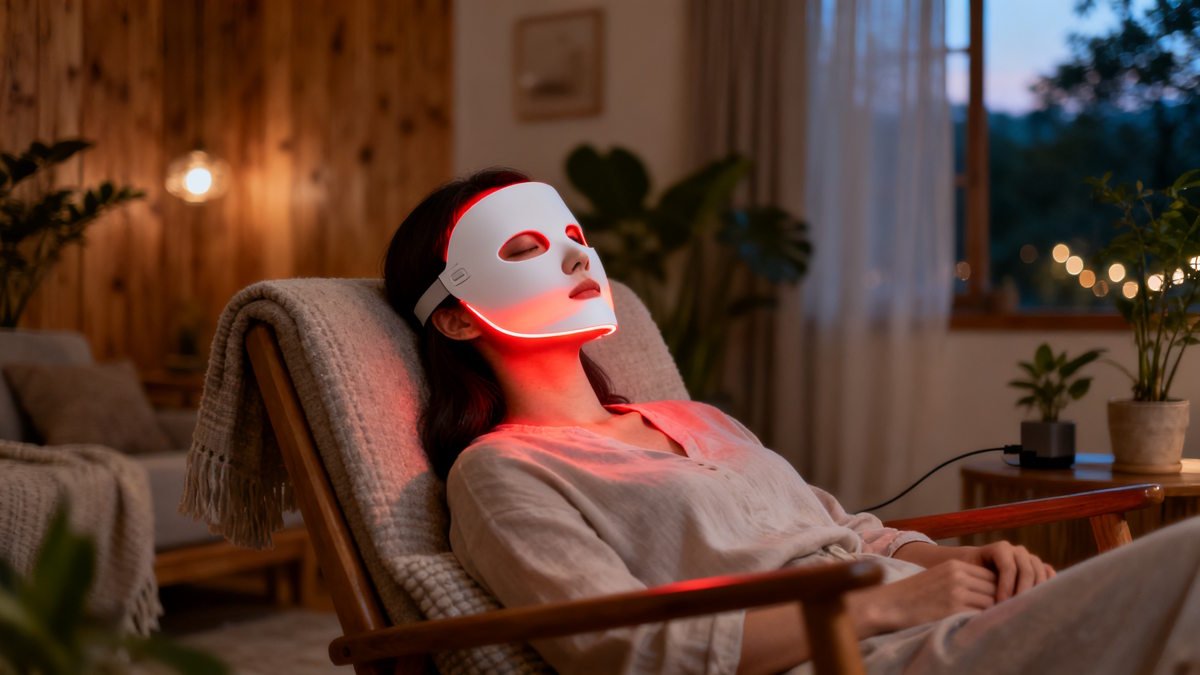
Have you ever looked in the mirror and wished your skin felt a little fresher, smoother, or more radiant? If so, you are definitely not alone. Skincare routines can sometimes feel overwhelming, but light-emitting diode (LED) technology has brought professional-level care directly into our living rooms. Finding the best red light therapy mask can completely transform your daily routine, giving you a relaxing, spa-like experience right at home.
People turn to red light therapy for a wide variety of personal reasons. Some want to smooth out fine lines and boost skin firmness. Others look for gentle ways to support muscle recovery, nourish thinning hair, or ease minor joint discomfort. However, with so many options filling online store pages, it quickly becomes clear that not all red light therapy devices are created equal. Different shapes, power levels, and claims can make shopping feel confusing.
That is exactly why we put this guide together. Before investing your hard-earned money, it helps to know what actually makes a device effective. In this complete guide, we will walk you through the essential factors to evaluate, including wavelength precision, light output (irradiance), facial coverage, comfort, FDA regulatory status, and intended everyday use.
What Is a Red Light Therapy Mask?
| Quick Answer: A red light therapy mask is a wearable device equipped with light-emitting diodes (LEDs) that deliver targeted wavelengths of red and near-infrared light to the skin. These safe light frequencies penetrate skin layers to stimulate cellular energy production, supporting natural skin rejuvenation, collagen synthesis, and texture improvement. |
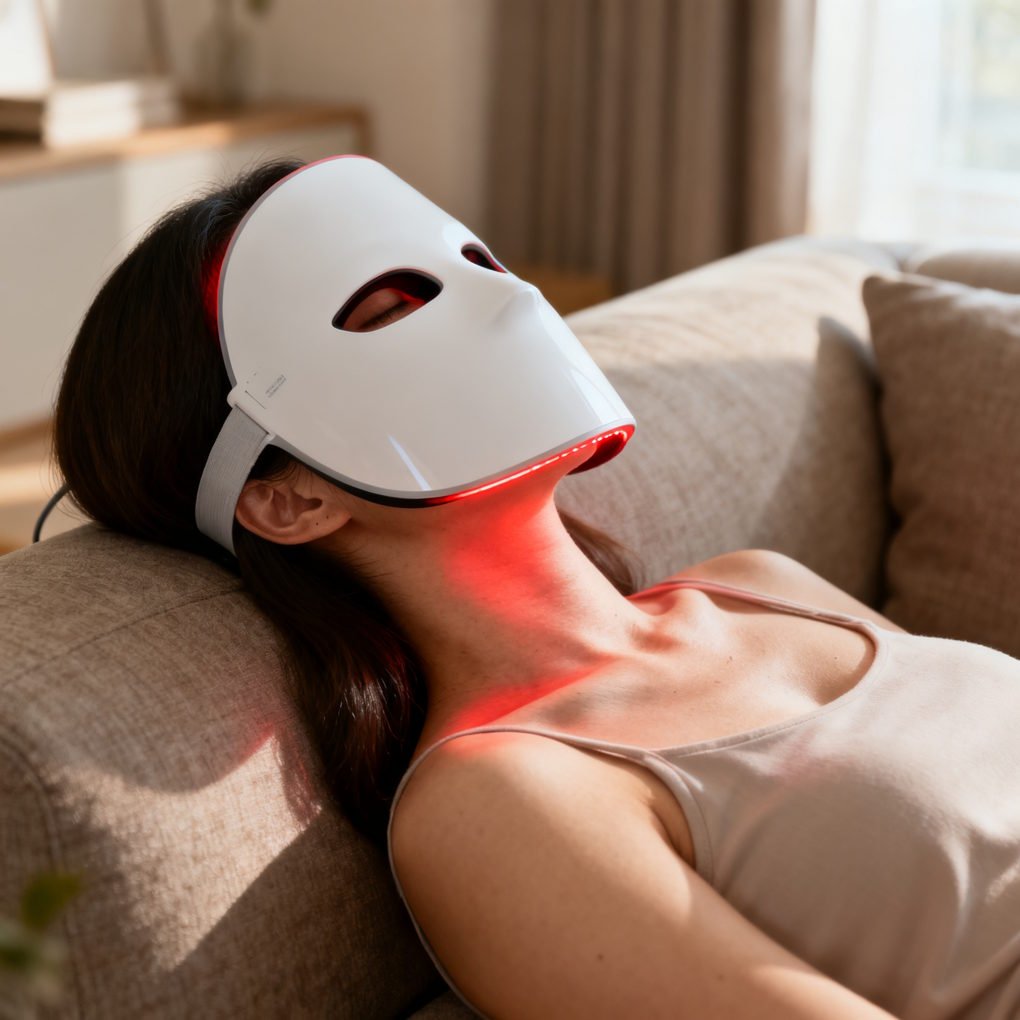
At its core, a red light mask uses specialized light bulbs that emit specific wavelengths directly onto your skin. Unlike harsh ultraviolet (UV) rays from the sun, red light does not burn or damage your delicate facial tissues. Instead, it gently warms the skin and encourages your cells to produce more energy—a natural process known as photobiomodulation.
Red light therapy facial masks are uniquely designed to contour directly to your cheeks, forehead, and chin. This sets them apart from larger light panels, handheld wands, or full-body bed systems. Most facial masks are intended for quick sessions lasting 10 to 20 minutes, used 3 to 5 times per week.
Red Light vs. Near-Infrared Light Therapy
While red light and near-infrared (NIR) light are frequently combined in high-quality masks, they interact with your tissue differently due to their unique wavelength lengths:
• Red Light: Visible red light operates in shorter wavelengths that absorb primarily into the surface layers of the skin, making it ideal for tone, fine lines, and brightness.
• Near-Infrared Light: Near-infrared light has longer wavelengths that are invisible to the naked eye. It penetrates deeper into subcutaneous layers and underlying tissue, supporting deeper recovery and circulation.
What Is the Best Red Light Therapy Mask?
| Quick Answer: The best red light therapy mask is defined by key technical features rather than brand popularity. Look for clinically backed wavelengths (630–660 nm red and 810–850 nm near-infrared), uniform LED placement, comfortable eye protection, and clear regulatory clearance. |
Rather than declaring one single device universally superior for every individual, skincare experts evaluate devices based on physical design, build quality, and verified technical specifications. Here are the core characteristics you should compare before making a purchase:
Wavelength Precision
The effectiveness of any LED device depends almost entirely on the exact light frequencies it emits. Research consistently points to red light wavelengths around 630 nanometers (nm) to 660 nm for dermal benefits. For near-infrared therapy, target wavelengths between 810 nm and 850 nm provide optimal tissue absorption.
Irradiance and Light Output
Irradiance measures the amount of light power density your skin receives over a specific area, usually measured in milliwatts per square centimeter (mW/cm²). While sufficient energy is required to stimulate cells, higher power is not always better. Excessive irradiance can generate unwanted heat or skin irritation. A well-designed facial mask balances optimal power output with gentle, comfortable treatment times.
Number and Placement of LEDs
A high concentration of evenly distributed LEDs prevents dark spots and ensures that every part of your face—from your upper forehead down to your jawline—receives consistent light energy.
Comfort, Fit, and Eye Safety
You are much more likely to stay consistent with a routine you enjoy. Flexible silicone masks conform closely to varying face shapes, making them lighter and more comfortable than heavy, rigid plastic models. Always ensure the device includes built-in eye shields or protective goggles.
Treatment Time
Most masks are designed for straightforward 10- to 15-minute sessions. Always follow the manufacturer’s operating instructions, as longer treatment times do not necessarily improve results.
Safety and Device Certification
Always check whether a device carries proper electrical testing certificates and official regulatory filings. Recognizing safety marks ensures you are applying a safe and thoroughly vetted piece of equipment to your face.
Best Red Light Therapy Devices for Home Use
| Quick Answer: The best red light therapy devices for home use come in several forms, including flexible facial masks, flat targeted panels, handheld wands, hair caps, and flexible body belts. Choosing the right device format depends on your main treatment goal, target area, budget, and daily lifestyle. |
When exploring the broader market of at-home wellness, you will notice that light therapy comes in several specialized physical formats:
- LED Face Masks: Specifically contoured for facial skincare, fine lines, and overall tone.
- Red Light Panels: Flat boards packed with high-powered LEDs designed to sit on a desk or hang on a wall, great for larger body surface areas.
- Handheld Devices: Compact wands ideal for spot-treating small, localized areas or specific targets.
- Hair-Growth Caps: Shaped like baseball caps or soft helmets to focus light directly into the scalp and hair follicles.
- Wraps and Belts: Flexible, wrap-around pads designed to treat lower back, knees, elbows, or ankles.
Which Type of Red Light Therapy Device Should You Choose?
If your main goal is improving skin texture, tone, and facial glow, a dedicated face mask is the most ergonomic and convenient option. However, if you want to address lower back stiffness or treat larger muscle groups after workouts, a panel or flexible belt device will offer far greater versatility.
Best Medical-Grade Red Light Therapy Devices
| Quick Answer: Medical-grade red light therapy devices feature rigorous clinical testing, precise wavelength calibration, consistent irradiance output, and official regulatory clearance for specific health indications. They differ from standard wellness gadgets by meeting strict medical manufacturing quality standards. |
In marketing materials, manufacturers frequently label products as ‘medical-grade.’ In practical terms, this label should mean the device has undergone strict quality engineering, verified wavelength accuracy testing, and formal clearance by regulatory health authorities.
Rather than accepting marketing claims at face value, consumers should look for independent laboratory testing, transparent power specifications, robust manufacturing warranties, and documented safety standards.
Are Medical-Grade Devices Better Than Home Red Light Therapy Devices?
Professional devices used in clinical environments often feature higher power output and require clinical supervision to operate safely. Consumer home devices are deliberately calibrated to operate at lower energy densities, prioritizing personal safety, ease of use, and convenience for non-professional everyday use.
List of FDA-Approved Red Light Therapy Devices
| Quick Answer: Most commercial light therapy devices are FDA-cleared rather than FDA-approved. FDA clearance via a 510(k) submission confirms that an at-home red light device is substantially safe and equivalent to legally marketed medical devices on the market. |
Understanding regulatory language helps you evaluate manufacturer claims with confidence. In the medical device world, ‘FDA Approved’ and ‘FDA Cleared’ have distinct legal meanings:
FDA Cleared vs. FDA Approved Red Light Therapy Devices
High-risk medical equipment (like pacemakers or implantable devices) undergoes FDA Approval.’ On the other hand, non-invasive wellness devices—including LED face masks—receive ‘FDA 510(k) Clearance.’ This clearance verifies that the product has demonstrated substantial equivalence in safety and efficacy to existing legal devices.
How to Check a Red Light Therapy Device’s FDA Status
- You do not have to rely solely on sales claims. You can verify any device’s regulatory claims directly:
- Locate the manufacturer’s official corporate entity or legal trade name.
- Find the product’s unique 510(k) submission number (usually formatted as K followed by 6 digits).
- Visit the public FDA 510(k) Premarket Notification database online.
- Search the number to confirm that the listed intended use matches the company’s product marketing.
Does Red Light Therapy Work for Hair Loss?
| Quick Answer: Red light therapy supports hair regrowth in certain non-scarring conditions like androgenetic alopecia by delivering red light (typically 650 nm) to dormant scalp follicles. This photobiomodulation process enhances local microcirculation and cell metabolism to encourage healthy growth. |
Low-level light therapy (LLLT) has gained significant interest for supporting hair density. Specific red light wavelengths stimulate microcirculation around hair follicles, encouraging dormant follicles to enter an active growth phase.
However, consistency and proper wavelength delivery are critical. Results depend on consistent use of the correct power parameters over several months, and light therapy may not be effective for all forms of hair loss.
Red Light Therapy Masks vs. Hair Growth Caps
Facial red light masks are shaped specifically to fit facial contours and often position LEDs away from the hairline. Additionally, facial skin is much thinner than scalp tissue. For scalp treatment, specialized hair caps or helmets are designed to penetrate through hair strands directly to the scalp.
Red Light Therapy Bed Benefits
| Quick Answer: Red light therapy beds deliver high-output red and near-infrared light across the entire body simultaneously. They offer systemic photobiomodulation benefits, speeding up full-body athletic recovery, easing joint stiffness, and enhancing full-body skin tone. |
Full-body light therapy systems, often called light beds or canopies, deliver comprehensive coverage in a single session. Red light therapy benefits include treating large muscle groups simultaneously, supporting general wellness, and eliminating the need to move smaller wands or panels around the body.
Red Light Therapy Bed vs. Red Light Therapy Panel
While light beds offer luxurious full-body coverage, they require significant physical floor space and substantial financial investment. Multi-panel modular setups offer a practical alternative for homes, delivering strong coverage in a compact footprint.
Best Red Light Therapy for Foot Neuropathy
| Quick Answer: Near-infrared light therapy pads and boot devices are widely researched for easing neuropathic foot discomfort. By delivering deep-penetrating 880 nm light, these specialized devices help improve local microcirculation and ease nerve sensitivity in feet. |
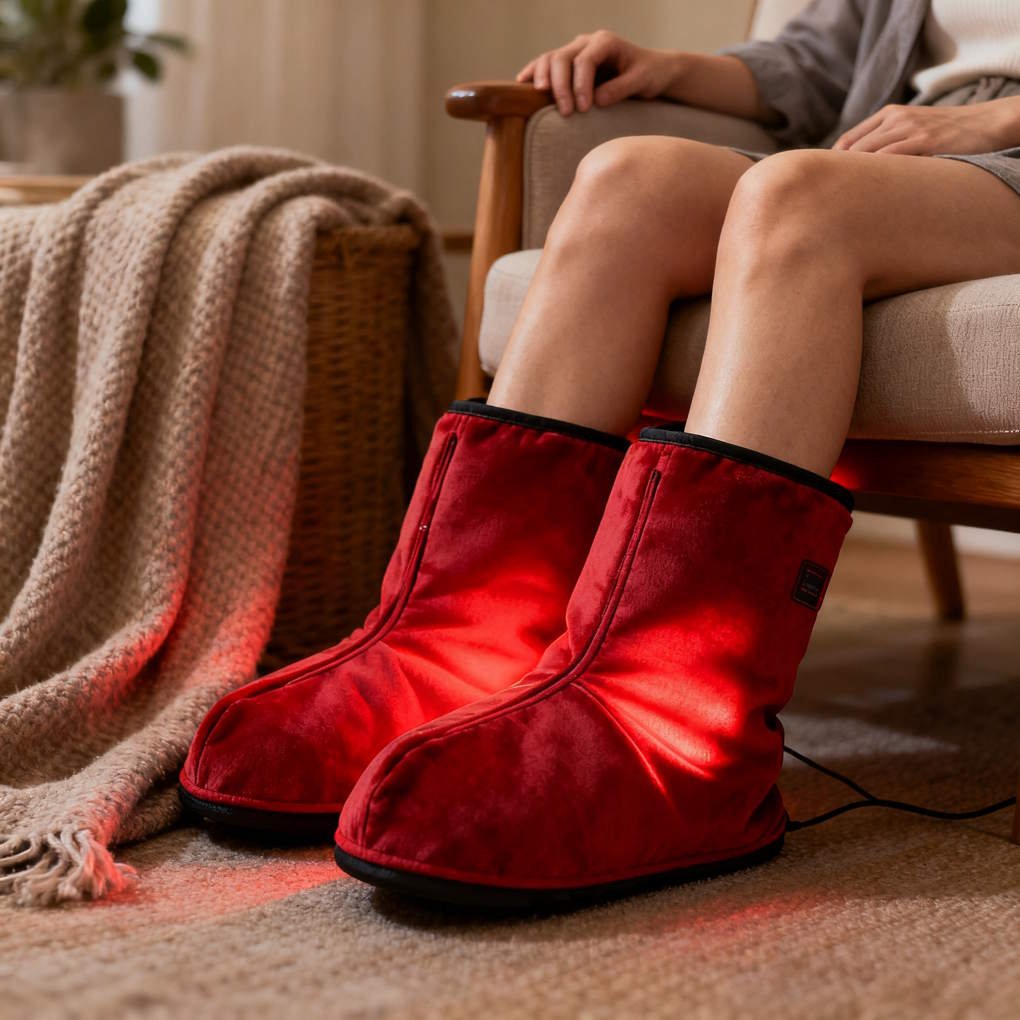
Neuropathy in the feet can cause tingling, numbness, and burning discomfort. Many people explore near-infrared therapy devices—such as flexible boot pads or foot wraps—to help manage these symptoms.
Near-infrared light penetrates deep into foot tissues, supporting localized blood flow and tissue oxygenation. However, because nerve pain can stem from complex underlying conditions, light therapy should always be used in conjunction with guidance from a qualified healthcare professional.
Best Infrared Light Therapy for Dogs With Arthritis
| Quick Answer: Infrared light therapy offers a non-invasive, drug-free way to relieve joint stiffness and mobility discomfort in senior dogs with arthritis. Near-infrared wavelengths gently penetrate joint tissues to ease inflammation and support natural movement. |
Photobiomodulation is increasingly used in veterinary care to manage joint stiffness and mobility challenges in aging pets. Near-infrared wavelengths penetrate deep into canine joints, offering gentle comfort without pharmaceuticals.
Red Light Therapy vs. Laser Therapy for Dogs
Veterinary therapeutic lasers deliver concentrated, high-powered light beams that must be administered by trained veterinary staff. Consumer LED devices offer lower-intensity, broader light coverage that can be safely used at home under veterinary guidance.
How to Choose a Red Light Therapy Device
To simplify your shopping decision, use this comprehensive practical checklist when evaluating any home red light device:
| Feature / Factor | What to Look For | Why It Matters |
| Wavelength Spectrum | 630–660 nm (Red) & 810–850 nm (NIR) | Ensures light penetrates to effective cellular depth. |
| Irradiance Output | 30–50 mW/cm² for face masks | Delivers optimal energy without overheating skin. |
| Mask Material | Medical-grade flexible silicone | Conforms to facial contours for even coverage. |
| Eye Protection | Built-in eye shields or protective goggles | Protects eyes from bright LED illumination. |
| Regulatory Clearance | FDA 510(k) clearance number | Verifies device safety and manufacturing compliance. |
| Warranty & Returns | At least 1 to 2 years warranty | Protects your financial investment. |
Who Should Be Careful With Red Light Therapy?
While red light therapy is non-invasive and safe for most healthy individuals, certain precautions apply. You should consult a medical professional before starting treatment if you:
• Take photosensitizing medications (such as certain acne treatments or antibiotics).
• Have active eye conditions or extreme sensitivity to bright light.
• Are pregnant, as clinical safety testing during pregnancy remains limited.
• Suffer from active, unexplained skin lesions or severe rashes.
Frequently Asked Questions About Red Light Therapy Masks
How Often Should You Use a Red Light Therapy Mask?
Most manufacturers recommend using a red light therapy mask 3 to 5 times per week for 10 to 20 minutes per session. Consistency over several weeks is key to achieving noticeable skin improvements.
How Long Does It Take to See Results From Red Light Therapy?
Initial benefits, such as improved skin radiance and smoothness, can appear within 4 to 6 weeks with regular use. Deeper collagen building and fine line reduction typically require 8 to 12 weeks of consistent treatment.
Can You Use a Red Light Therapy Mask Every Day?
Yes, many flexible home masks are gentle enough for daily use. However, using it multiple times a day will not speed up your results, as skin cells can only process a set amount of light energy per session.
Should You Put Skincare Products on Before Using A Red Light Mask?
It is best to use your LED mask on clean, dry skin. Heavy creams, oils, or sunscreens can block light penetration. Apply your favorite serums and moisturizers immediately after completing your light session.
Is Near-Infrared Light Better Than Red Light?
Neither is ‘better’—they perform complementary roles. Visible red light targets the skin’s surface texture and tone, while near-infrared light penetrates deeper into underlying tissues to support cellular repair.
Are Expensive Red Light Therapy Masks Better?
Not necessarily. Higher price tags often reflect brand marketing or premium materials. Focus on verifying specifications such as tested wavelengths, comfort fit, irradiance output, and FDA 510(k) clearance.
Can Red Light Therapy Damage Your Eyes?
When used according to instructions, LED red light masks are safe. However, looking directly into high-intensity LEDs can cause eye fatigue. Choosing a mask with built-in eye shields or wearing protective goggles ensures maximum comfort.
Do At-Home Red Light Therapy Devices Actually Work?
Yes, numerous clinical studies support the cellular science behind photobiomodulation. While home devices operate at lower power densities than clinical machines, regular daily or weekly use delivers visible improvements over time.
Finding the Best Red Light Therapy Mask
Choosing the right red light therapy mask comes down to understanding your individual skincare goals and selecting a device backed by sound engineering. By focusing on proven wavelengths (630–660 nm red and 810–850 nm near-infrared), comfortable silicone construction, balanced irradiance, and verified FDA clearance, you can invest in a home device with complete confidence.
Remember that consistency is key to seeing results. Choose a comfortable device that fits seamlessly into your daily lifestyle, and enjoy your journey toward healthier, glowing skin!