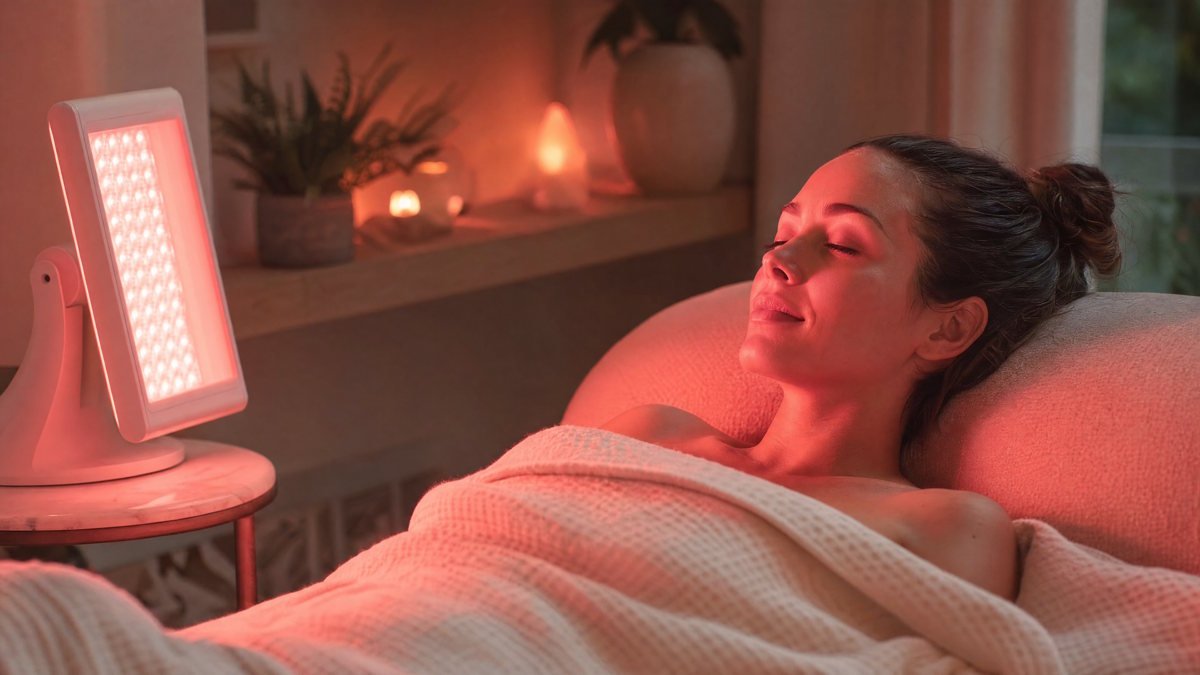
Have you ever looked in the mirror after a long week and wished for a quick, soothing way to refresh your skin at home? Finding the best handheld LED light therapy device can transform your daily self-care routine into a targeted, spa-like experience. Noninvasive LED technology has rapidly become a favorite for skincare lovers and wellness seekers alike. These compact devices deliver gentle light energy directly to problem areas without harsh chemicals or recovery downtime.
Many people love handheld devices because they offer total convenience and portability. You can easily target fine lines around your eyes, calm a sudden breakout on your chin, or soothe a sore shoulder while watching your favorite show. In fact, a portable LED light therapy device fits right into a busy lifestyle without taking up extra room.
However, not all home devices deliver the exact same results. A device’s true performance depends on key technical specifications like light wavelength, irradiance, treatment time, and ergonomics. In this guide, we will explore how light therapy works, break down key benefits of red light therapy, and help you choose the right device for your personal goals.
What Is LED Light Therapy?
| QUICK ANSWER: WHAT IS LED LIGHT THERAPY? LED light therapy is a noninvasive treatment that uses light-emitting diodes to send specific light wavelengths into skin tissue. It triggers natural cellular energy production, supporting tissue recovery and collagen synthesis without heat damage or ultraviolet radiation. |
LED stands for light-emitting diode. Unlike traditional lightbulbs, LEDs emit precise wavelengths of light that penetrate different skin depths. Dermatologists have long used light therapy in clinics, but compact home devices now bring those same principles into your living room.
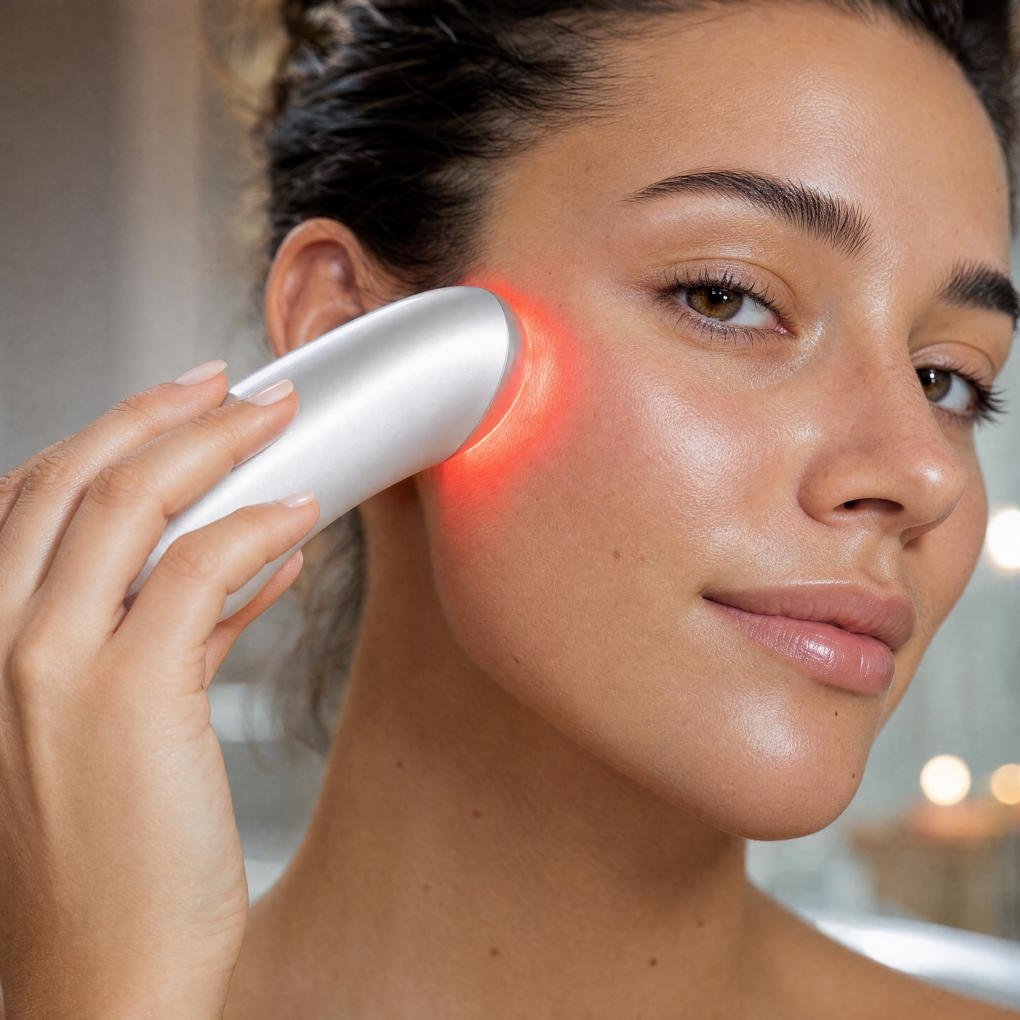
The biological process behind light therapy is called photobiomodulation. When light particles are absorbed into your cells, they stimulate the mitochondria—the energy powerhouses inside your cells. In turn, your skin produces more cellular energy, which aids natural repair and rejuvenation processes.
How Does LED Light Therapy Work?
Different wavelengths of light reach different levels of your skin. Short wavelengths act near the surface, while longer wavelengths reach deeper tissue layers. When absorbed, light energy encourages cellular metabolism without burning or causing tissue damage.
However, consistency matters far more than instant power. Consistent exposure to correct wavelengths encourages natural skin renewal over time. Therefore, using your device regularly, according to the guidelines, produces the best results.
Red Light vs. Blue Light vs. Near-Infrared Light
Red light (around 630 to 660 nanometers) penetrates the skin surface. It is widely studied for smoothing fine lines, improving skin texture, and promoting a natural glow.
Blue light (around 415 nanometers) acts on the outermost layer of your skin. It helps balance oil production and targets acne-causing bacteria to keep pores clear.
Near-infrared light (around 810 to 850 nanometers) extends beyond the visible spectrum and penetrates deeper into the skin. Researchers study near-infrared light for deep tissue comfort, muscle recovery, and overall cellular support.
Red Light Therapy Benefits
| QUICK SUMMARY: RED LIGHT THERAPY BENEFITS Key red light therapy benefits include supporting collagen production, smoothing fine lines, calming skin inflammation, and promoting targeted muscle recovery. Regular home sessions stimulate cellular renewal, helping your skin look refreshed and healthy over time. |
Understanding the benefits of red light therapy helps you set realistic expectations for your routine. While LED light therapy is not a magical overnight fix, consistent treatments support your skin’s natural repair mechanisms.
Supporting Skin Rejuvenation and Collagen Production
As we age, natural collagen production slows down. Red light energy helps stimulate fibroblasts, which are responsible for producing collagen and elastin. Over time, regular sessions can help smooth out fine lines and restore natural skin firmness.
Helping Manage Acne and Skin Inflammation
If you struggle with occasional redness or stubborn breakouts, light therapy can help. Red light reduces redness and calms irritation. When combined with blue light, it also targets breakout bacteria, offering a balanced approach to clear skin.
Supporting Muscle Recovery and Joint Comfort
Beyond facial skincare, many people use light therapy for physical recovery. Near-infrared and red light can soothe tired muscles after workouts. While a handheld unit cannot replace physical therapy, it provides localized warmth and comfort.
Supporting Wound Healing and Skin Recovery
Preliminary studies suggest that red light helps speed up the recovery of minor skin injuries. It supports healthy circulation and cell turnover. However, always consult a doctor before treating open wounds or medical skin conditions.
Best Handheld LED Light Therapy Device: What to Look For
| BUYING GUIDE: WHAT MAKES A GREAT HANDHELD LED DEVICE? To choose the best handheld LED light therapy device, focus on proven wavelengths (630–660 nm red, 810–850 nm near-infrared), reliable irradiance (30–100 mW/cm²), comfortable ergonomics, safety certifications, and transparent warranty coverage. |
Shopping for a light therapy tool can feel overwhelming with so many options available. Finding the best handheld LED light therapy device comes down to evaluating real technical features rather than flashy marketing claims.
Wavelength Options and Treatment Goals
Check the device specifications for exact wavelength measurements. For skin rejuvenation, look for red light at 630-660 nm. For deeper-tissue comfort, make sure the device includes near-infrared light at 810-850 nm.
Irradiance and Treatment Coverage
Irradiance measures how much light energy reaches your skin per second, usually expressed in milliwatts per square centimeter (mW/cm²). Higher irradiance means shorter treatment times. However, moderate power density (30 to 100 mW/cm²) is often safer and more comfortable for delicate skin.
Portability, Ergonomics, and Battery Life
Because you will hold the device during treatments, weight and grip matter. Choose a lightweight model with an ergonomic handle. Wireless, rechargeable devices offer great freedom, while corded models guarantee continuous power without recharging.
Safety Features and Device Certifications
Always prioritize safety when buying electrical skincare tools. Look for devices with built-in auto-shutoff timers and included eye protection. Additionally, check for FDA clearance, which indicates the device meets regulatory safety standards for home use.
Price, Warranty, and Overall Value
Prices for home devices range from budget-friendly wands to medical-grade handhelds. Look for brands that offer at least a one-year warranty and clear technical specs. Investing in a durable unit ensures long-term reliability and better value.
Comparing Light Therapy Device Form Factors
| Device Type | Best For | Treatment Coverage | Portability & Setup |
| Handheld LED Wand | Targeted facial skincare, lip area, under-eyes | Small (1–3 sq in) | High: Fits in travel bags, ultra-lightweight |
| Portable LED Panel | Face, neck, shoulders, targeted joints | Medium (10–30 sq in) | Moderate: Compact tabletop setup, highly portable |
| Full-Body Panel | Full-body recovery, large muscle groups | Large (100+ sq in) | Low: Requires dedicated space and wall mounting |
Types of Handheld LED Light Therapy Devices
Handheld devices come in several design styles to match different treatment preferences. Selecting the right style ensures your device fits comfortably into your daily routine.
LED Light Therapy Wands
LED wands feature compact, pen-like shapes. They are ideal for precise applications, such as smoothing crow’s feet or treating localized blemishes. While wands require more time to treat large areas, their precision is unmatched.
Portable Red Light Therapy Panels
Portable panels are small, stand-alone devices that rest on a desk or nightstand. They cover your entire face or shoulder at once without requiring you to hold them. They strike a great balance between portability and coverage.
Multi-Wavelength LED Therapy Devices
Multi-wavelength tools combine red, blue, and near-infrared light in a single device. You can switch between light modes depending on your skin’s daily needs. This versatility makes them popular for multi-purpose skincare.
How to Use a Handheld LED Light Therapy Device
| HOW TO USE A HANDHELD LED DEVICE IN 4 STEPS To use a handheld LED device effectively: cleanse your skin thoroughly, remove light-blocking lotions, hold the light 1–3 inches from your skin, treat each area for 3–5 minutes, and maintain a consistent schedule 3 to 5 times per week. |
Using your device correctly ensures you get the maximum benefit from every session. Following a simple routine protects your skin while delivering consistent energy.
Preparing Your Skin Before Treatment
Always start with clean, dry skin. Remove all makeup, sunscreen, and heavy moisturizers, as these can block light penetration. Save your favorite serums and creams for after your light therapy session.
Choosing the Correct Treatment Duration and Distance
Hold the device about 1 to 3 inches from your skin, unless the manufacturer’s guidelines suggest direct contact. Most treatments last between 3 and 10 minutes per target area. Never exceed recommended session times.
Maintaining a Consistent Treatment Routine
Consistency is the key to achieving noticeable skin improvements. Plan to use your device 3 to 5 times per week for the first month. Most users begin seeing subtle improvements in skin texture after 4 to 6 weeks.
Best Full Body Red Light Therapy: How Does It Compare?
| HANDHELD VS. FULL-BODY RED LIGHT THERAPY While handheld devices target specific facial areas and localized joints with high portability, the best full body red light therapy panels treat your entire body at once in stationary home setups. Choose handheld for travel and precision, or full-body for broad muscle coverage. |
If you are exploring light therapy, you have likely seen large, full-body panels. Understanding how handheld tools compare to full-body systems helps you choose the setup that fits your lifestyle.
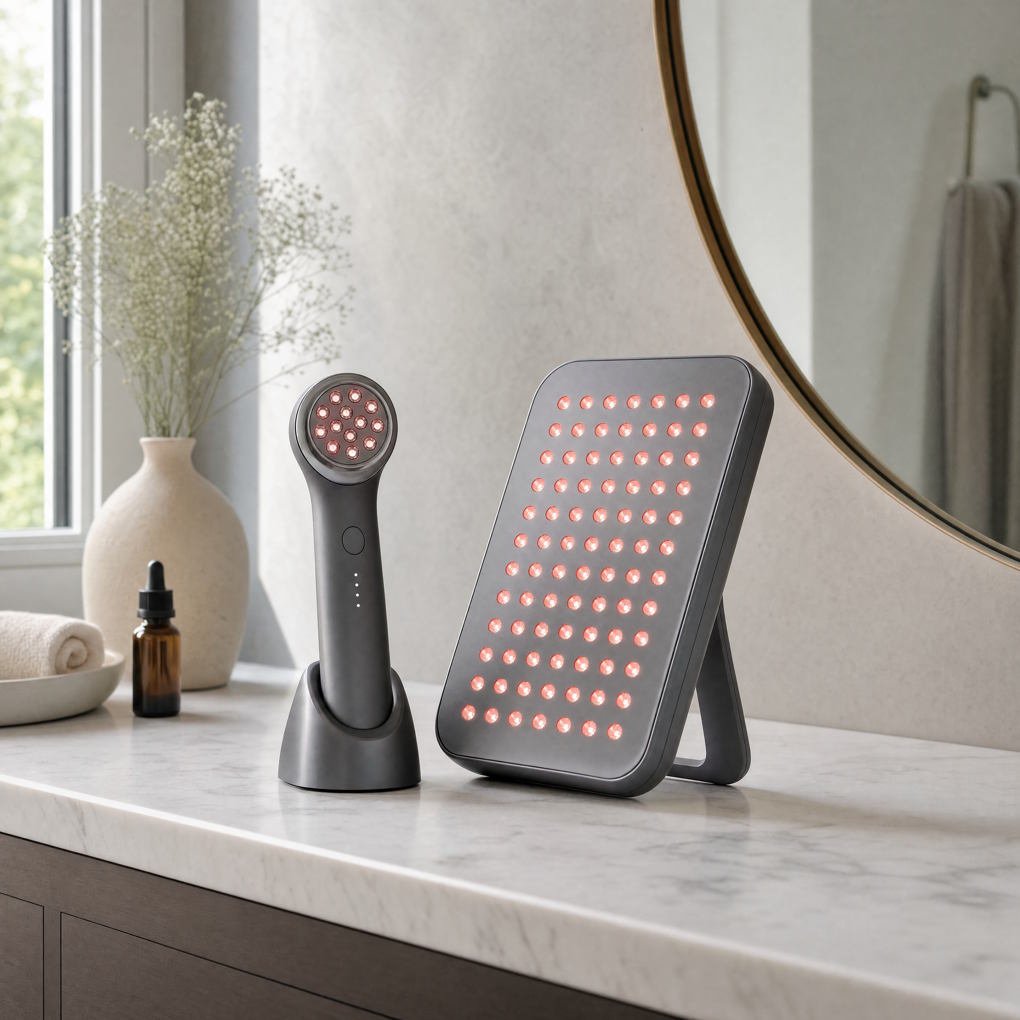
Handheld LED Devices vs. Full-Body Red Light Therapy Panels
Handheld devices excel at targeted treatments, portability, and lower costs. In contrast, full-body panels require dedicated floor space and a higher upfront investment, but they cover your entire body in a single session.
Advantages of Full-Body Red Light Therapy
Searching for the best full-body red light therapy option leads many athletes and wellness enthusiasts to large wall-mounted panels. These systems provide broad exposure, allowing you to treat the back muscles and legs simultaneously without moving the device.
Which Is Better: Handheld or Full-Body Red Light Therapy?
Neither option is universally superior; your choice depends on your specific goals. If you want portable facial skincare, a handheld device is practical and budget-friendly. However, if your main goal is full-body athletic recovery, a large panel offers greater convenience.
Are Handheld LED Light Therapy Devices Safe?
Consumer LED light therapy devices have an excellent safety record when used according to directions. Unlike tanning beds or sun exposure, LED devices do not emit damaging ultraviolet (UV) rays.
Side effects are rare and usually mild, such as temporary tightness or slight redness. Always wear protective goggles during facial sessions to shield your eyes from bright light. Furthermore, if you take photosensitizing medications, check with your doctor before starting light therapy.
Frequently Asked Questions About Handheld LED Light Therapy Devices
Do Handheld LED Light Therapy Devices Really Work?
Yes, clinical research supports the use of photobiomodulation for skin rejuvenation and mild acne management. Recent 2026 reviews in dermatologic journals confirm moderate-quality evidence for home LED devices when used consistently with correct wavelengths.
How Often Should You Use a Handheld LED Light Therapy Device?
Most experts recommend using your device 3 to 5 times per week. Always follow the specific frequency guidelines provided by your device manufacturer.
How Long Does It Take to See Results From LED Light Therapy?
Most people notice improved skin tone and smoother texture within 4 to 8 weeks of consistent use. Collagen rebuilding takes time, so patience is essential.
Can You Use Red Light Therapy on Your Face Every Day?
While gentle daily use is generally safe for many devices, doing extra sessions won’t double your results. Rest days allow your cells time to respond and renew naturally.
Is a Handheld LED Device Better Than an LED Face Mask?
Handheld devices allow precise treatment on specific spots and can be used on your neck, hands, or shoulders. LED masks offer hands-free facial coverage but lack versatility for use on the body.
Can Handheld Red Light Therapy Replace Professional Treatments?
Home devices offer convenient maintenance between clinical visits. However, professional in-office devices deliver higher power under medical supervision for rapid clinical results.
Choosing the Best Handheld LED Light Therapy Device
Finding the best handheld LED light therapy device comes down to matching your personal skincare goals with proven technical specs. Focus on devices offering clear wavelength ratings (630–660 nm red, 810–850 nm near-infrared), comfortable ergonomics, and safety certifications.
Handheld devices provide an affordable, portable way to enjoy the benefits of red light therapy right from home. Whether you want to smooth fine lines, calm breakouts, or soothe tired muscles, consistent light therapy supports your skin’s natural vitality.
Take time to compare device specifications, check safety certifications, and choose a high-quality model that fits effortlessly into your daily self-care routine!