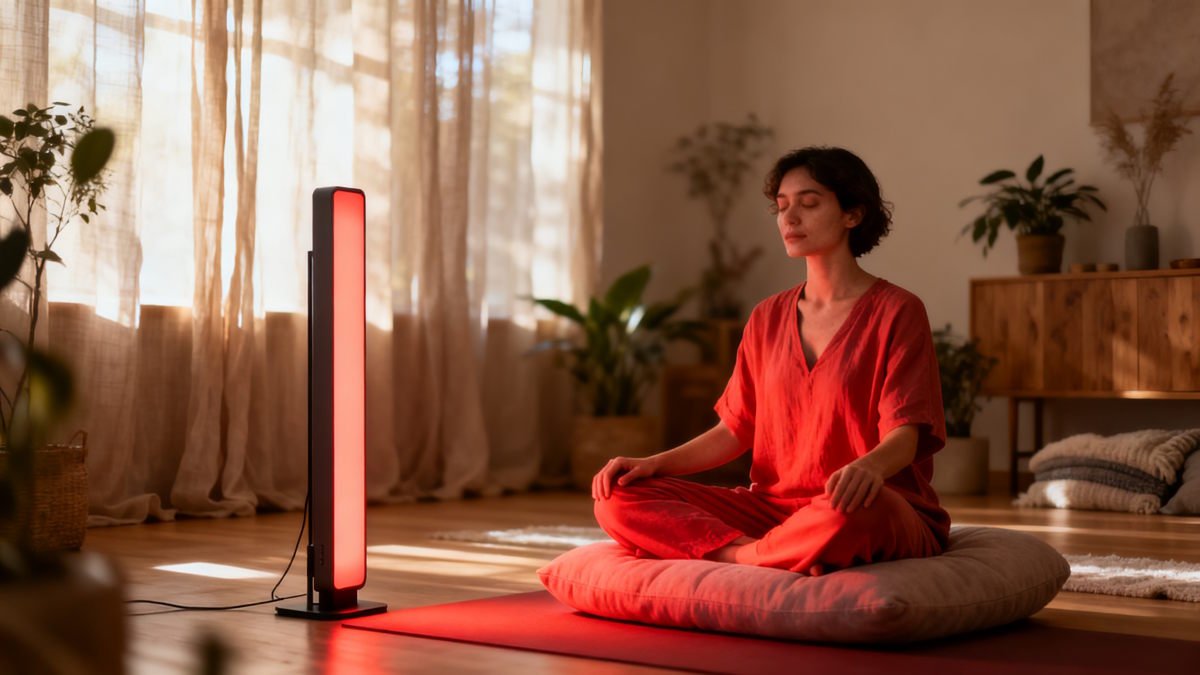
You have probably seen those futuristic glowing red masks popping up all over social media lately. Maybe a friend swears by a glowing red panel for post-workout muscle soreness, or you saw a clinic advertising non-invasive body contouring. It seems like everyone is talking about light treatments these days. But beneath all the excitement and clever marketing, does red light therapy work?
People turn to light treatments for many everyday reasons. Some want to smooth out fine lines and refresh tired skin. Others hope to soothe aching joints, speed up workout recovery, or soften the look of stubborn cellulite.
However, light treatments are not magic wands. Your actual results depend on several key factors. These include your specific goals, the exact wavelengths used, device quality, and how consistently you use it.
In this practical guide, we will break down the real science behind light therapy. We will explore what it can actually do, where the evidence falls short, and what you can realistically expect.
What Is Red Light Therapy?
| Quick Answer Red light therapy, also called photobiomodulation, uses specific red and near-infrared light wavelengths to stimulate cellular energy. Rather than using heat or damage, these light waves enter skin cells, energize the mitochondria, and help boost natural repairing processes, collagen production, and tissue recovery. |
Red light therapy is also known as photobiomodulation (PBM) and low-level light therapy (LLLT). Despite the complex medical terms, the concept is wonderfully straightforward.
It uses specific wavelengths of natural light to give your body’s cells a helpful boost. Unlike ultraviolet rays from the sun, this light contains no damaging radiation.
It will not burn your skin or cause tan lines. Instead, red and near-infrared light sink gently into your skin tissue. Inside your cells sit tiny energy generators called mitochondria.
You can think of mitochondria as tiny power plants inside your body. When red light reaches these power plants, it helps them produce energy more efficiently. With more cellular energy available, your body can repair skin, calm inflammation, and restore tissues more effectively.
Does Red Light Therapy Work?
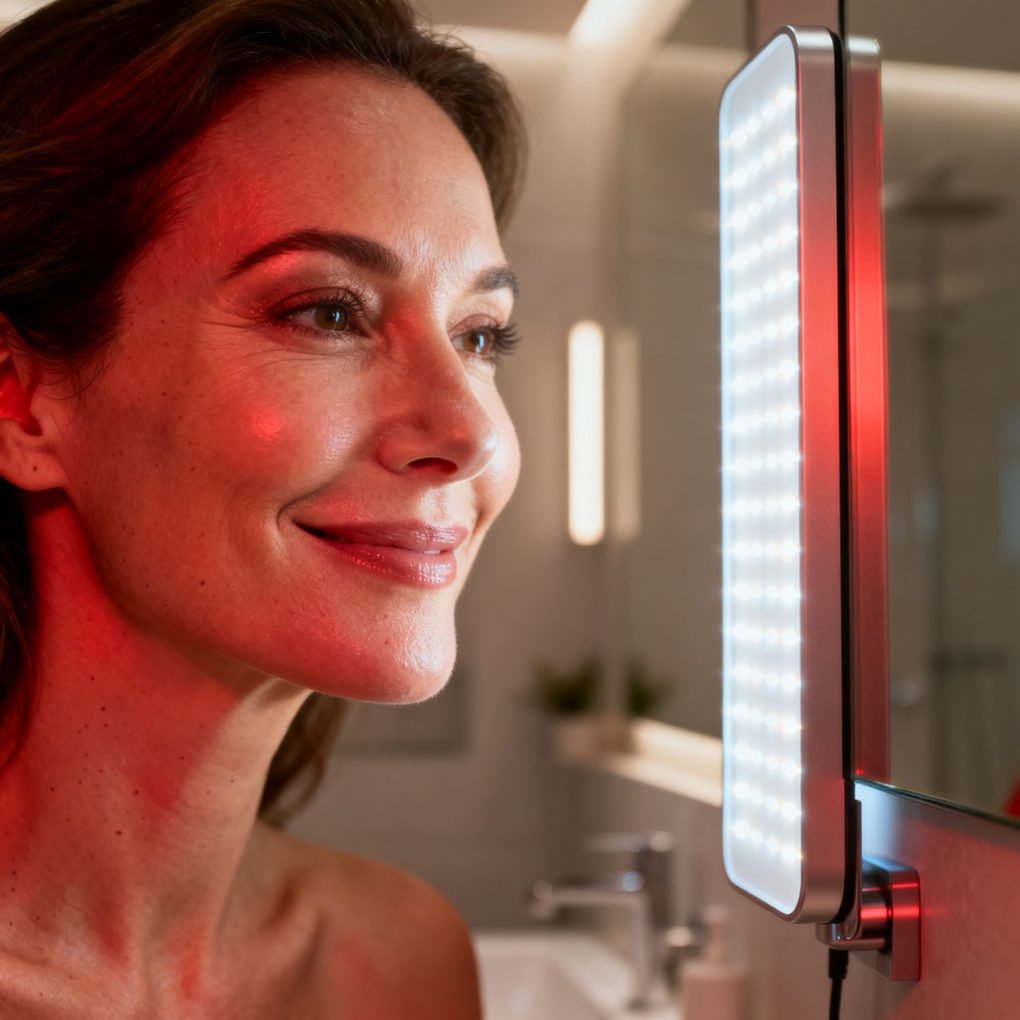
| Quick Answer Yes, red light therapy works, but its effectiveness depends on what you are treating. Scientific evidence is strongest for skin rejuvenation, collagen production, and muscle soreness. Results vary based on light wavelength, device strength, session duration, and how consistently you apply the treatment. |
Current scientific research offers an encouraging answer, but with an important caveat. Light therapy works well for specific health and cosmetic goals, but it is not a cure-all.
For instance, laboratory research on collagen production and tissue repair is quite strong. Clinical trials show clear benefits for skin texture, joint comfort, and muscle recovery. However, evidence for dramatic weight loss or permanent cellulite removal remains far weaker.
You might also wonder why some people report amazing results while others notice very little change. That usually comes down to six critical factors:
- Wavelength: Cells absorb only specific ranges of light effectively.
- Light Intensity (Irradiance): The light must be strong enough to reach deep target cells.
- Treatment Distance: Standing too far away dramatically reduces the light’s power.
- Session Duration: Sessions must be long enough to stimulate cells, but not overly long.
- Treatment Frequency: Routine consistency matters far more than a single long session.
- Underlying Condition: Deep joint issues require higher power and longer wavelengths than surface skin concerns.
How Long Does Red Light Therapy Take to Work?
Photobiomodulation works gradually over time rather than delivering instant fixes. You are helping your cells rebuild from the inside out, which takes natural patience.
For temporary workout soreness, you might feel subtle relief within a few hours or days. For skin smoothing, fine lines, or hair thinning, noticeable changes usually require eight to twelve weeks of consistent sessions.
If you stop treatments entirely, cell energy levels eventually return to baseline. Consistent care is essential for maintaining your progress over time.
What Are the Potential Benefits of Red Light Therapy?
Researchers have studied light therapy across several areas of wellness. While research is ongoing, many practical applications show promising real-world red light therapy benefits for everyday use.
Skin Health and Appearance
Skin care is where light therapy shines brightest. Specific wavelengths of light stimulate fibroblasts, the specialized cells responsible for producing new collagen and elastin.
Over time, increased collagen helps soften fine lines and smooth out uneven skin texture. On top of that, red light helps soothe skin redness and calm temporary inflammation from breakouts.
Muscle Recovery and Exercise
Athletes and fitness enthusiasts frequently use light panels before or after tough workouts. The light increases localized blood circulation and supports rapid cellular repair.
This extra boost helps ease delayed onset muscle soreness. As a result, you feel less stiff the morning after an intense training session.
Joint and Muscle Discomfort
Near-infrared light penetrates deeper than visible light, reaching muscles, tendons, and joint spaces. It helps lower localized inflammatory markers and temporary joint stiffness.
It is vital to distinguish between temporary symptom relief and the cure of underlying conditions. Light therapy can help soothe discomfort, but it does not repair structurally worn joint cartilage.
Hair Growth
Low-level light caps and helmets are widely used to treat hereditary hair thinning. Light energy helps reawaken dormant hair follicles and encourages healthier blood flow to the scalp.
However, hair loss has many root causes, ranging from hormone shifts to nutritional gaps. Finding the underlying cause with a professional is vital before investing in scalp light treatments.
Can Red Light Therapy Help You Lose Weight?
| Quick Answer Red light therapy cannot cause significant body weight loss on its own. While specialized body-contouring lasers can temporarily shrink fat cell volume to help reduce waist circumference, light therapy does not burn calories or replace proper nutrition, exercise, and active lifestyle habits. |
Many commercial spas advertise body-shaping light beds that promise effortless slimming. It is easy to see why these claims sound so appealing, but we need to look closer at what the science actually says.
Light treatments cannot burn calories or cause meaningful long-term body weight loss. There is a huge difference between losing actual body weight, reducing waist circumference, and temporarily shrinking localized fat cells.
While light therapy might support skin firmness during your fitness journey, it will never replace balanced nutrition, routine physical activity, and healthy lifestyle choices.
How Is Red Light Therapy Supposed to Affect Fat Cells?
Scientists have observed that certain red light wavelengths create temporary, tiny openings, or pores, in fat cell membranes. This process allows stored lipids to escape into the surrounding fluid.
Once released, your lymphatic system naturally carries these fat components away. However, laboratory petri dish findings do not automatically mean effortless real-world fat loss for your entire body.
How Much Weight Can You Lose With Red Light Therapy?
Clinical trials show that body-contouring treatments might trim a fraction of an inch from targeted areas such as the waist or thighs. Yet the scale itself rarely moves.
If you do not maintain an active lifestyle and a balanced diet, those fat cells quickly refill. You should view light therapy as an optional finishing touch rather than a primary weight-loss method.
Does Red Light Therapy Help With Cellulite?
| Quick Answer Red light therapy can temporarily improve the appearance of cellulite by boosting skin collagen and blood circulation. Thicker, firmer skin helps mask underlying dimples. However, red light does not permanently eliminate fibrous connective bands or structural cellulite. |
Cellulite is a completely normal skin feature that affects almost everyone, especially on the thighs and hips. It happens when structural collagen bands pull down on skin tissue while underlying fat pushes upward.
It is important to understand that cellulite is structural, not simply excess body fat. Because of this, standard fat-burning methods rarely smooth out dimpled skin on their own.
Red light therapy can help soften the appearance of cellulite by stimulating the production of new collagen. Stronger, thicker skin hides underlying dimples more effectively, while improved circulation delivers healthy nutrients to the area.
However, visual improvement does not mean cellulite has been permanently eliminated. Once collagen production slows back down, dimples usually return to their baseline appearance.
How Long Does Red Light Therapy Take to Improve Cellulite?
Smoothing out skin texture requires steady patience and regular care. Most protocols suggest three to four sessions per week for at least two to three months before evaluating your results.
Device power, light wavelength, and your unique skin elasticity play massive roles in your final outcome. Ongoing maintenance sessions are usually required to keep skin looking firm.
Does Any Red Light Work for Red Light Therapy?
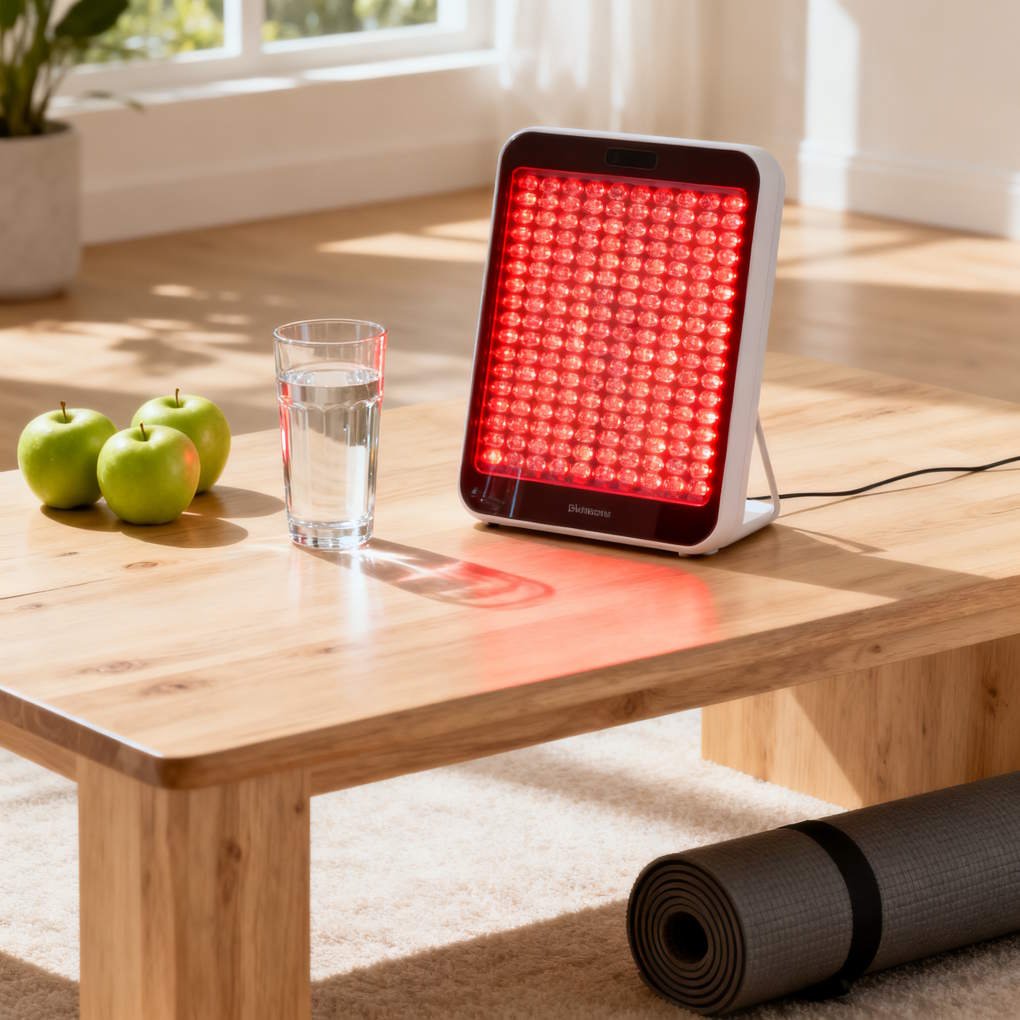
It is tempting to think a cheap red party bulb or colored mood light could deliver the same benefits. Unfortunately, simple colored glass does not create therapeutic light.
Therapeutic light panels use specialized light-emitting diodes (LEDs) calibrated to very specific scientific wavelengths. These targeted wavelengths deliver precise energy levels directly to your skin cells.
Standard red light bulbs emit broad, uncalibrated light that mostly produces mild surface heat. They lack the specific energy density required to trigger cellular photobiomodulation.
What Wavelength Is Used for Red Light Therapy?
Research consistently focuses on two specific wavelength windows, often called the optical window of human tissue:
- Red Light (630–660 nm): These visible red wavelengths are absorbed quickly by the surface skin layers. They work best for collagen production, fine lines, and skin inflammation.
- Near-Infrared Light (810–850 nm): Invisible to the human eye, these longer wavelengths penetrate much deeper. They effectively reach deep muscles, joints, and connective tissue.
Does Red Light Therapy Need Near-Infrared Light?
Visible red light works exceptionally well on its own for facial skin care and surface beauty goals. However, if you want to address deep muscle stiffness or aching joints, near-infrared light is necessary.
Many high-quality home panels combine both 660 nm red and 850 nm near-infrared light chips. This allows you to treat surface skin and deeper tissues simultaneously.
Keep in mind that more wavelengths are not always better. Sticking to clinically tested wavelengths ensures you get maximum cellular absorption without wasting energy.
At-Home vs. Professional Red Light Therapy
At-Home Red Light Therapy Devices
Home devices offer wonderful convenience and privacy for daily routines. You can easily use a compact panel or a wearable mask while reading or watching television.
However, home devices operate at lower power levels for user safety. Because they are less powerful, you must use them consistently over longer periods to achieve good results.
Professional Red Light Therapy
Clinical light beds and medical-grade panels deliver significantly higher light intensity (irradiance). This means deeper tissue penetration and shorter required session times.
Under professional supervision, you benefit from calibrated treatment protocols tailored to your exact needs. The primary drawback is the higher cost and the inconvenience of traveling to daily clinic visits.
How Often Should You Use Red Light Therapy?
There is no single universal schedule that works for everyone, but most wellness guidelines suggest three to five sessions per week. Each session typically lasts between ten and twenty minutes.
It might be tempting to double up on sessions for faster results, but cells can only absorb so much light energy at once. Beyond a certain point, additional light exposure yields no additional benefits.
In fact, overexposing your skin can temporarily fatigue cells and diminish your progress. Always follow manufacturer guidelines and give your cells time to rest between sessions.
Is Red Light Therapy Safe?
Photobiomodulation has an outstanding safety record across clinical research. It is non-invasive, pain-free, and completely free of damaging ultraviolet radiation.
Some people may notice mild, temporary effects, such as slight skin flushing or a gentle warmth, immediately after a session. These mild reactions usually fade within less than an hour.
Protecting your eyes is extremely important when using intense light sources. You should always wear protective blackout goggles, especially when using high-powered near-infrared arrays.
Who Should Talk to a Doctor Before Using Red Light Therapy?
While light therapy is very safe for most people, certain individuals should exercise extra caution. You should speak with a doctor before starting light therapy if you:
- Take photosensitizing medications (such as specific acne treatments or antibiotics).
- Have pre-existing eye conditions or severe light sensitivity.
- Experience unexplained skin lesions, suspicious moles, or active medical skin conditions.
- They are undergoing medical care or recovering from recent surgery.
How to Choose a Red Light Therapy Device
Shopping for a reliable light panel can feel overwhelming with so many brands available today. Here are seven key specs to look for before making a decision:
- Wavelength Transparency: Clear documentation showing 630–660 nm or 810–850 nm output.
- Verified Irradiance: Confirmed light power output measured at a specific distance (e.g., >50 mW/cm² at 6 inches).
- Coverage Area: Ensures the light panel comfortably covers your intended target area.
- Third-Party Safety Testing: Look for official electrical safety certifications (such as ETL, CE, or UL).
- Clear Distance Guidelines: Practical setup instructions for proper positioning during sessions.
- Clear Session Timers: Built-in safety timers to prevent accidental overexposure.
- Transparent Warranty & Returns: Reliable manufacturer support and return guarantees.
Be cautious around clever marketing jargon like ‘medical grade’ or ‘NASA technology.’ These terms are often used loosely for promotion and do not guarantee clinical approval or superior performance.
What Results Should You Expect From Red Light Therapy?
Your ultimate results depend heavily on what health or skin concern you want to address. If you expect a dramatic overnight fix, you will likely be disappointed.
Instead, view photobiomodulation as a supportive, healthy routine that builds gradual progress over time. It complements healthy lifestyle choices, balanced skincare, and physical therapy.
Setting calm, realistic expectations helps you stay consistent. With regular use over several months, most people enjoy healthier-looking skin and better daily physical comfort.
Frequently Asked Questions About Red Light Therapy
Does Red Light Therapy Really Work?
Yes, red light therapy works, but results depend on the condition you are treating. Scientific research strongly supports its use for skin collagen, fine lines, and workout recovery. Evidence is much weaker for weight loss.
Can Red Light Therapy Help You Lose Weight?
Red light therapy cannot cause significant body weight loss. Specialized contouring treatments can temporarily shrink fat cell volume to reduce waist circumference, but light therapy does not burn calories or replace physical exercise.
Does Red Light Therapy Help With Cellulite?
It can temporarily improve the appearance of cellulite by boosting collagen production and circulation. Thicker skin helps mask underlying dimples, but red light therapy does not permanently eliminate structural cellulite bands.
Does Any Red Light Work For Red Light Therapy?
No. Ordinary red bulbs only produce surface heat and red-colored glass. True therapeutic devices use specific, calibrated wavelengths (630–660 nm and 810–850 nm) that deliver targeted energy to your cells.
Can You Use Red Light Therapy Every Day?
Many people use home devices daily or 3–5 times per week without issue. However, overusing light therapy provides no additional benefits because skin cells can absorb only a limited amount of energy per session.
How Soon Can You See Red Light Therapy Results?
Timelines vary by application. Temporary muscle soreness may improve within hours or days. Fine lines, skin texture, and hair thinning typically require 8 to 12 weeks of consistent, regular sessions.
Is Red Light Therapy Worth Trying?
Red light therapy is a promising, non-invasive option for improving skin tone, easing workout soreness, and boosting overall cellular energy. When used with precise wavelengths and consistent accuracy, it offers safe, gentle support.
However, keeping realistic expectations is essential. It is not a magic solution for body weight loss or permanent cellulite removal, nor does it replace fundamental health habits.
If you want to address a specific medical condition, take time to speak with a healthcare professional first. For general beauty and physical wellness, red light therapy is a valuable, gentle tool worth adding to your routine.