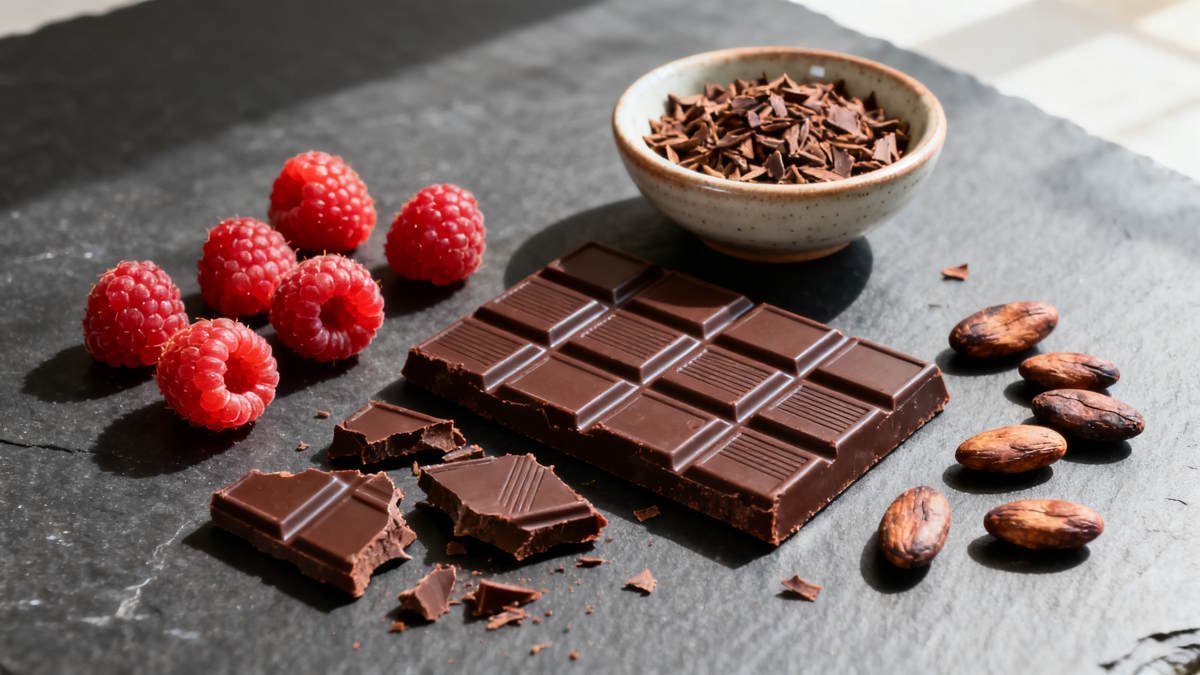
If you have ever reached for a piece of dark chocolate after a long day, you are not alone. Many of us love the rich taste and comfort it brings. You might wonder: Is dark chocolate healthy, or is it just another indulgence? Fortunately, research shows that high-quality dark chocolate can actually fit into a balanced lifestyle. Unlike standard milk chocolate, dark chocolate contains a high percentage of raw cocoa, which packs a surprisingly powerful nutritional punch.
The key lies in understanding what goes into your chocolate bar. Cocoa content, protective antioxidants, plant flavanols, added sugar, and overall calories all contribute to its nutritional value. While it is not a magical supplement, dark chocolate offers real wellness benefits when enjoyed in moderation. In this guide, we will break down the science behind dark chocolate, examine its nutritional profile, and give you practical tips for choosing the healthiest bar.
Is Dark Chocolate Good for You?
Direct Answer: Dark chocolate is considered good for you because it contains concentrated cocoa solids rich in dietary fiber, essential minerals, and antioxidant flavanols. Unlike milk chocolate, high-cocoa dark chocolate has far less added sugar and zero milk solids, offering genuine plant-based health benefits when consumed in modest portions.
To understand why dark chocolate gets so much praise, it helps to see how it differs from milk and white chocolate. Milk chocolate contains added milk powder, higher amounts of sugar, and a lower concentration of pure cocoa. White chocolate contains no cocoa solids at all—only cocoa butter, sugar, and milk. Dark chocolate, on the other hand, keeps the pure cocoa solids front and center.
These cocoa solids house powerful plant compounds known as cocoa flavanols. As a general rule, higher cocoa percentages mean more of these helpful plant compounds and less added sugar. However, keep in mind that dark chocolate remains energy-dense. Because it naturally contains cocoa butter (a natural fat), enjoying it in moderate portions is essential to get the perks without excess calories.
What Percentage of Dark Chocolate Is Best?
When browsing store shelves, you will notice percentages ranging from 50% all the way up to 90% or more. This number represents the total proportion of the bar made from pure cocoa ingredients (cocoa mass and cocoa butter).
Health experts and researchers generally recommend choosing dark chocolate that is 70% cocoa or higher. At 70%, you reach a sweet spot where antioxidant density is high, added sugar is low, and the flavor remains smooth and enjoyable. Higher percentages, like 85% or 90%, offer even less sugar but deliver a much stronger, bitter taste that takes time to appreciate.
Dark Chocolate Nutrition Profile
A standard 1-ounce (28-gram) serving of quality dark chocolate (70–85% cocoa) contains an impressive array of essential minerals and dietary fiber:
- Fiber: Offers around 3 grams per serving, supporting healthy digestion.
- Iron: Provides roughly 19% of your daily value, helping red blood cells carry oxygen.
- Magnesium: Supplies about 16% of your daily need, promoting muscle function and calm.
- Copper & Manganese: Delivers over 25% of your daily target, supporting metabolism and tissue repair.
- Healthy Fats: Contains natural cocoa butter, which consists of healthy stearic acid and oleic acid.
Exact nutritional values will vary by brand and cocoa percentage, so checking the nutrition label on your favorite bar is always a smart habit.
Proven Dark Chocolate Benefits
Rich in Antioxidants and Cocoa Flavanols
Cocoa is one of the richest plant sources of antioxidants on the planet. Specifically, it is loaded with polyphenols and flavanols. These plant compounds act as natural defenders in your body, neutralizing unstable molecules called free radicals. By reducing oxidative stress, cocoa compounds help protect your cells from daily wear and tear.
May Support Heart and Blood Vessel Health
One of the most widely studied dark chocolate benefits is its effect on cardiovascular function. The flavanols in cocoa stimulate the endothelium—the delicate inner lining of your blood vessels. This triggers the production of nitric oxide, a compound that signals your arteries to relax.
When blood vessels relax, blood flows more easily, which can support healthy circulation and normal blood pressure levels over time. While eating chocolate is certainly not a medical treatment for heart disease, including a small bite as part of an overall heart-healthy diet offers real cardiovascular benefits.
May Support Healthy Cholesterol Levels
Research suggests that cocoa compounds can positively influence cholesterol markers. Studies show that regular, modest intake of cocoa flavanols can help prevent LDL (‘bad’) cholesterol from oxidizing. Oxidized cholesterol is more likely to damage artery walls. Furthermore, cocoa contains oleic acid—the same heart-healthy fat found in olive oil—which supports healthy HDL (‘good’) cholesterol balance.
Provides Important Minerals for Daily Vitality
Many adults struggle to meet their daily intake goals for essential minerals like magnesium and iron. Enjoying a piece of dark chocolate provides a delicious way to boost these vital nutrients. Magnesium plays a key role in over 300 biochemical reactions in your body, including energy production, nerve transmission, and muscle relaxation.
Benefits of Dark Chocolate for Brain Health
Direct Answer: Dark chocolate supports brain health primarily through its high flavanol content, which enhances blood circulation to the brain. Improved cerebral blood flow promotes oxygen delivery, supporting focus, memory processing, and reaction time without functioning as a cognitive cure or supplement.
Cocoa Flavanols and Blood Flow to the Brain
Your brain relies on steady blood flow to deliver oxygen and glucose for peak performance. Flavanols cross the blood-brain barrier and help dilate cerebral blood vessels. Studies indicate that consuming high-flavanol cocoa can improve neurovascular coupling, meaning your brain gets blood precisely where and when it needs it during challenging tasks.
Dark Chocolate and Memory and Concentration
Because of this increased blood flow, researchers have observed short-term improvements in memory, attention, and visual-spatial processing after consuming cocoa flavanols. While eating dark chocolate will not instantly turn you into a genius, it can provide a natural boost in mental clarity during long study sessions or demanding workdays.
Can Dark Chocolate Improve Your Mood?
There is a good reason why chocolate feels like comfort food. Eating it triggers the release of endorphins and a sense of delight. Additionally, dark chocolate contains natural stimulants such as theobromine and trace amounts of caffeine. These gentle compounds promote mental alertness and elevated mood without the dramatic jitters associated with heavy coffee drinking.
Dark Chocolate Benefits for Skin
Antioxidants and Skin Health
Healthy skin begins from within. The antioxidants in cocoa help combat oxidative damage caused by pollution, stress, and environmental factors. By fighting cellular damage, cocoa flavanols help maintain normal skin hydration, density, and elasticity.
Can Dark Chocolate Protect Skin From the Sun?
Some fascinating dermatological studies show that long-term intake of high-flavanol dark chocolate can double the minimum erythemal dose (MED)—the amount of UV rays required to cause redness in the skin. However, dark chocolate is never a replacement for topical sunscreen. Think of it as an extra internal layer of support alongside your daily SPF application.
Does Dark Chocolate Cause Acne?
A common myth suggests that eating chocolate directly causes skin breakouts. In reality, pure cocoa itself is rarely the main culprit. Breakouts are more frequently triggered by high sugar content, dairy additives, hormonal shifts, and personal dietary sensitivities. Choosing dark chocolate with high cocoa and low sugar drastically reduces the risk of diet-induced flare-ups.
Dark Chocolate Benefits for Weight Loss
Direct Answer: While dark chocolate does not directly burn fat, it aids weight management by satisfying cravings and promoting fullness. Its intense flavor profile and rich, healthy fats curb appetite, helping you stick to a balanced calorie deficit without feeling deprived.
Can Dark Chocolate Help You Lose Weight?
It might sound counterintuitive to include chocolate in a weight-loss program, but it can actually be a secret weapon for consistency. Because high-cocoa chocolate has a rich, intense flavor, a tiny portion satisfies your sweet tooth much faster than milk chocolate or bakery sweets.
Calories and Portion Control Matter
Even though dark chocolate is nutritious, it remains calorie-dense due to its natural cocoa butter content. A single 3.5-ounce bar can contain up to 600 calories. Eating large portions will quickly undo a calorie deficit. To keep it weight-loss friendly, treat dark chocolate as a mindful treat rather than an unlimited snack.
Dark Chocolate vs Milk Chocolate for Weight Management
Comparing the two highlights why dark chocolate comes out ahead for fitness goals:
- Cocoa Content: High (70–90%) vs. Low (10–30%)
- Added Sugar: Minimal (2–7g per oz) vs. High (14–20g per oz)
- Flavor Profile: Deep, complex, self-limiting vs. Extremely sweet, easy to overeat
- Satiety: 1–2 squares satisfies vs. Requires half a bar to feel satisfied
How Much Dark Chocolate Should You Eat a Day?
Direct Answer: The recommended daily portion of dark chocolate is approximately 1 ounce (28 grams), or roughly 1 to 2 small squares. This provides maximum antioxidant and mineral benefits while keeping total daily calorie and saturated fat intake within healthy limits.
To enjoy the benefits without unwanted weight gain, aim for 1 ounce (about 28 grams) per day. This usually equals one or two small squares from a standard dark chocolate bar.
Is It Okay to Eat Dark Chocolate Every Day?
Yes! Eating a small square of dark chocolate every day is perfectly healthy for most adults. Just make sure to factor those 150–170 calories into your overall daily energy intake.

Are There Any Downsides to Eating Dark Chocolate?
While dark chocolate offers wonderful health perks, it is good to remain mindful of a few potential drawbacks:
High in Calories
Because cocoa butter is a concentrated fat, dark chocolate contains about 150-170 calories per ounce. Unmindful eating can easily lead to excess caloric intake.
Sugar and Saturated Fat
Lower-quality dark chocolates (50–60% range) still contain significant added sugars. Furthermore, cocoa butter is high in saturated fat. While stearic acid in cocoa fat appears neutral for blood cholesterol, tracking overall saturated fat remains smart for heart health.
Caffeine and Theobromine Sensitivity
Very dark chocolate (85%+ cocoa) contains noticeable levels of caffeine and theobromine. If you are extremely sensitive to stimulants, eating dark chocolate late at night might interfere with your sleep schedule.
Heavy Metals in Some Cocoa Products
Cocoa plants naturally absorb trace minerals from soil, which means some cocoa products contain small amounts of cadmium and lead. To minimize risk, enjoy a varied diet and choose reputable brands that regularly test their products.
How to Choose Healthy Dark Chocolate
Finding a great chocolate bar takes a quick glance at the label. Here is what to look for:
- High Cocoa Percentage: Choose 70% or higher for optimal flavanols.
- Short Ingredient List: Cocoa, cocoa liquor, or cocoa powder should be the very first ingredient.
- Low Added Sugar: Avoid bars where sugar is listed as the primary ingredient.
- Clean Additives: Steer clear of palm oil, high-fructose corn syrup, and artificial flavorings.
Is 70% Dark Chocolate Healthy?
Yes, 70% dark chocolate is widely considered the gold standard starting point. It offers the ideal balance between rich chocolate taste, manageable sweetness, and potent cocoa flavanols.
Is 85% Dark Chocolate Better?
From a pure nutritional standpoint, 85% dark chocolate contains more fiber, more minerals, and significantly less sugar than 70% chocolate. If you enjoy the bolder, slightly bitter taste, 85% is an exceptional choice.
Dark Chocolate vs Milk Chocolate: Nutritional Comparison
| Cocoa Content | High (70% to 90%+) | Low (10% to 30%) |
| Cocoa Flavanols | Very High | Low to Minimal |
| Added Sugar | Low (approx. 7g/oz) | High (approx. 15g/oz) |
| Milk Content | None or minimal trace | Contains milk solids & fat |
| Taste Profile | Rich, deep, slightly bitter | Sweet, creamy, mild |
| Calorie Density | Approx. 170 kcal/oz | Approx. 150 kcal/oz |
Frequently Asked Questions About Dark Chocolate
Is Dark Chocolate Healthy?
Yes, dark chocolate is healthy when consumed in moderation. High-cocoa dark chocolate (70%+ cocoa) provides essential minerals, dietary fiber, and protective antioxidant flavanols while keeping added sugar relatively low.
Is Dark Chocolate Good for You Every Day?
Eating a small daily portion of dark chocolate (about 1 ounce or 1–2 small squares) is healthy for most people. It easily fits into a balanced meal plan as long as the overall daily calorie intake is maintained.
What is the Healthiest Percentage of Dark Chocolate?
The healthiest dark chocolate is typically 70% cocoa or higher. Choosing 70%-85% cocoa delivers a high concentration of beneficial flavanols and minerals while minimizing sugar intake.
Does Dark Chocolate Help with Weight Loss?
Dark chocolate does not directly burn fat, but its intense flavor and rich fat content can reduce sweet cravings. Including a small square in your routine can make it much easier to stick to a calorie deficit.
Is Dark Chocolate Good for Your Brain?
Yes. Cocoa flavanols promote healthy blood flow to the brain, which supports attention, memory processing, and reaction times during mentally demanding tasks.
Is Dark Chocolate Good for Your Skin?
Dark chocolate antioxidants help defend skin cells against oxidative stress and support skin hydration, though it should always complement—not replace—daily sunscreen use.
Is Dark Chocolate Healthy?
So, is dark chocolate healthy? The short answer is a resounding yes—provided you select dark chocolate with 70% cocoa or higher and enjoy it mindfully. Packed with mineral nourishment, powerful plant antioxidants, and healthy fats, dark chocolate offers genuine benefits for your heart, brain, and overall mood.
Remember that dark chocolate is a dense source of energy, so sticking to 1 ounce a day is the sweet spot. Rather than viewing dark chocolate as a health supplement or medicine, treat it for what it truly is: a deeply satisfying, nutrient-rich treat that adds joy and wellness to your daily routine.