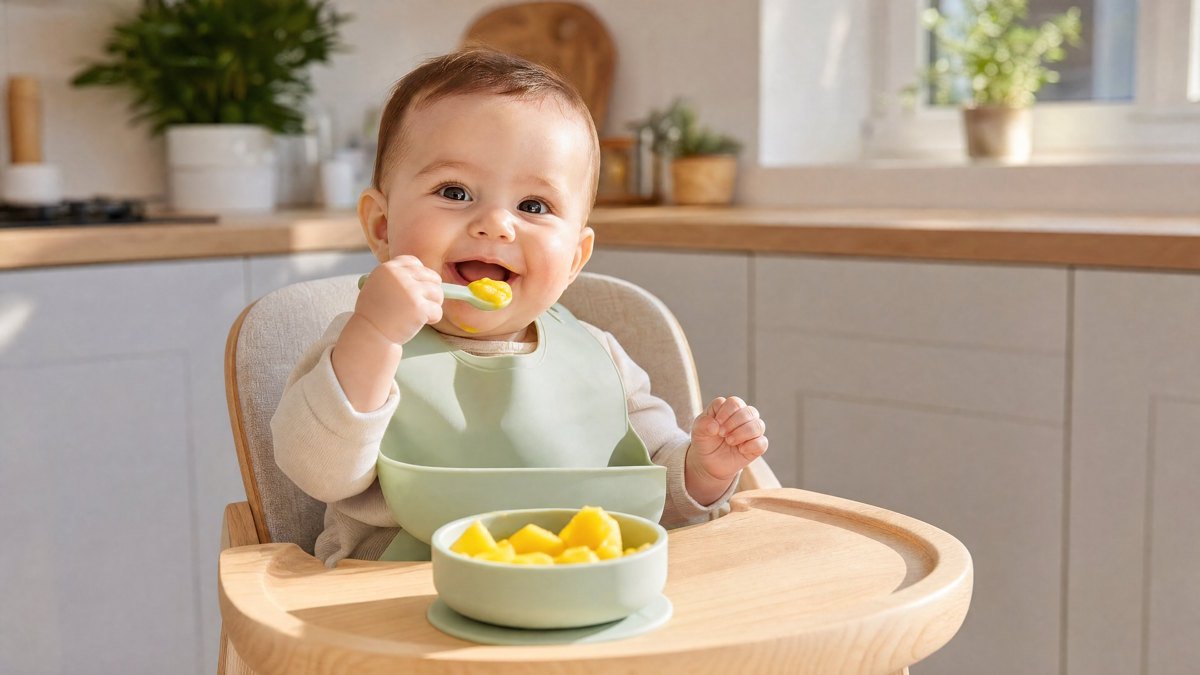
Starting solid foods is one of the most exciting milestones in your parenting journey. As you introduce new flavors to your little one, you might wonder: when can babies have mango? Mango is a naturally sweet tropical fruit packed with essential vitamins, fiber, and antioxidants that support growing bodies.
Most babies can safely start eating mango around 6 months of age. At this stage, infants usually show key signs of developmental readiness for solid foods, such as good head control and the ability to sit with support.
Serving mango safely depends on choosing ripe fruit, managing texture, and offering appropriate portion sizes. Soft textures prevent choking and help your baby enjoy this delicious treat.
In this guide, we will explore mango nutrition, safe feeding methods, and allergy precautions. We will also address common questions about feeding mango to household pets like dogs, cats, and rabbits.
| Babies can generally start eating mango at around 6 months of age, once they show signs of readiness for solid foods. Choose soft, ripe mango and serve it as a smooth puree or in an age-appropriate texture. Always remove the skin and pit, and supervise your baby while eating. |
When Can Babies Have Mango? Understanding the Right Age
Timing is everything when introducing new foods to your baby’s diet. Every infant develops at their own pace, but pediatric health organizations provide clear, general benchmarks.
Can a 4-Month-Old Baby Eat Mango?
Most health experts recommend waiting until around 6 months before starting any solid foods, including fruit purees. At 4 months, a baby’s digestive tract is still maturing and preparing for solids.
Breast milk or infant formula provides all the complete nutrition your baby needs during these early months. Always consult your pediatrician before offering solids to your baby before 6 months.
Can a 6-Month-Old Baby Eat Mango?
Yes, 6 months is typically the ideal age to introduce ripe mango. At this stage, your baby should demonstrate key signs of readiness, such as holding their head steady and sitting upright with minimal support.
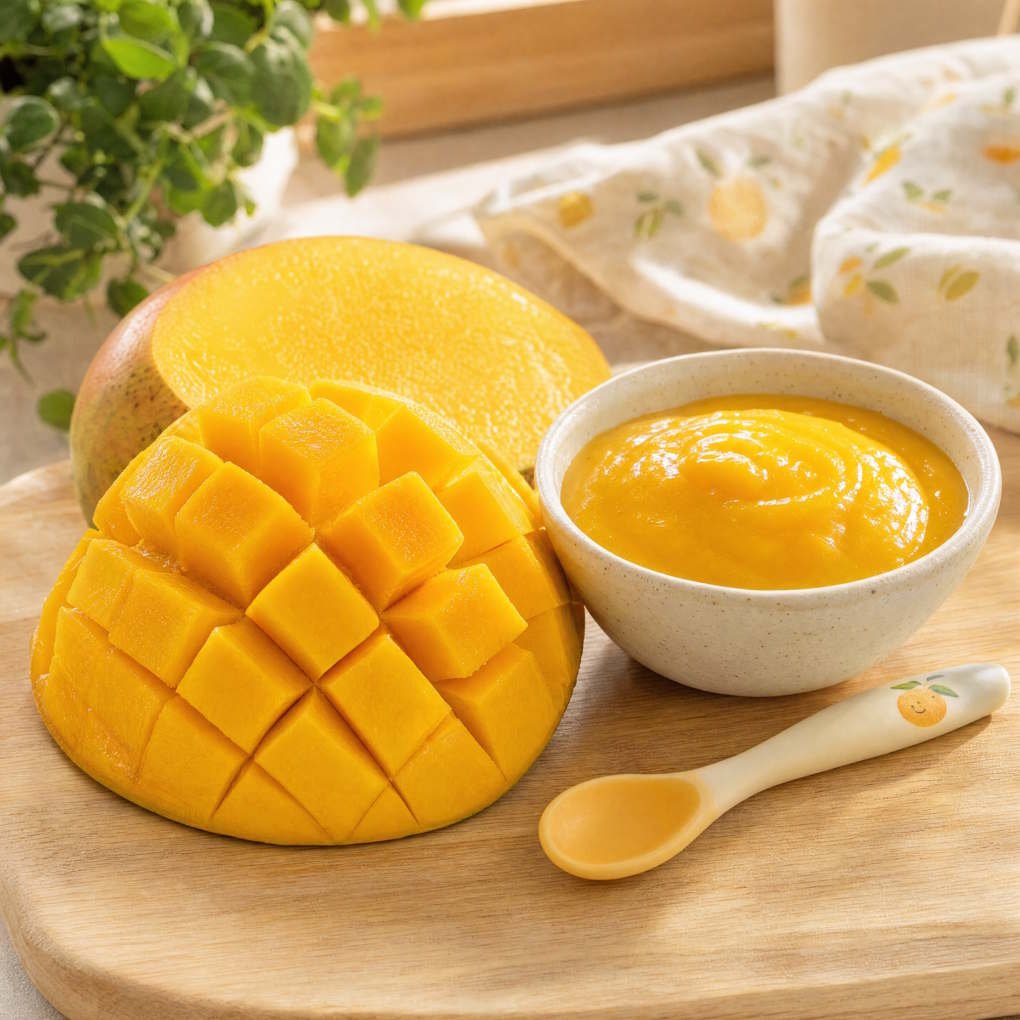
For 6-month-olds, ripe mango can be blended into a silky, smooth puree or served in long, thick spears for self-feeding. Smooth textures make swallowing easy while your baby learns new eating skills.
Can Babies Eat Mango at 9 to 12 Months?
As babies reach 9 to 12 months, their oral-motor skills and finger grasp develop rapidly. They can manipulate food better with their hands and tongues.
During this window, you can transition from smooth purees to soft, bite-sized mango cubes or mashed pieces. This encourages the development of their pincer grasp and self-feeding confidence.
What Are the Health Benefits of Mango for Babies?
Mango is not just delicious; it is a nutritional powerhouse for growing infants. Adding this vibrant fruit to your baby’s menu offers several important health advantages.
Vitamins and Minerals in Mango
Mangoes are abundant in Vitamin C, which supports normal immune function and helps the body absorb iron from other foods. They also contain beta-carotene, a precursor to Vitamin A that promotes healthy vision and skin development.
Additionally, mango provides essential folate and potassium. These vital nutrients support cellular growth, nerve function, and overall healthy physical development during infancy.
Does Mango Help With Baby Digestion?
Yes, mango contains both dietary fiber and natural digestive enzymes that support smooth, regular bowel function. Fiber adds soft bulk to stool, making it easier for babies to pass.
If your little one experiences occasional constipation after starting solids, small servings of ripe mango can help keep things moving naturally. However, mango should always complement a well-balanced diet containing a variety of whole foods.
How to Prepare Mango for Babies Safely
Proper preparation is essential to make mangoes easy to eat and reduce choking risk. Here is how you can prepare this fruit for different feeding stages.
How to Choose the Right Mango
Select mangoes that yield slightly to gentle pressure and give off a sweet aroma at the stem end. A ripe mango has soft, juicy flesh that yields easily when pressed between your fingers.
Avoid firm, unripe mangoes because their tough flesh poses a choking hazard and is hard for babies to chew. Furthermore, unripe fruit can be tart and difficult on sensitive stomachs.
How to Make Mango Puree for Babies
Making mango puree at home is simple and quick. Start by thoroughly washing the fruit, peeling off the skin, and slicing the flesh away from the flat inner pit.
Place the soft fruit into a blender or food processor and blend until completely smooth. You can adjust the consistency by adding a splash of breast milk, formula, or water if needed.
How to Serve Mango Using Baby-Led Weaning
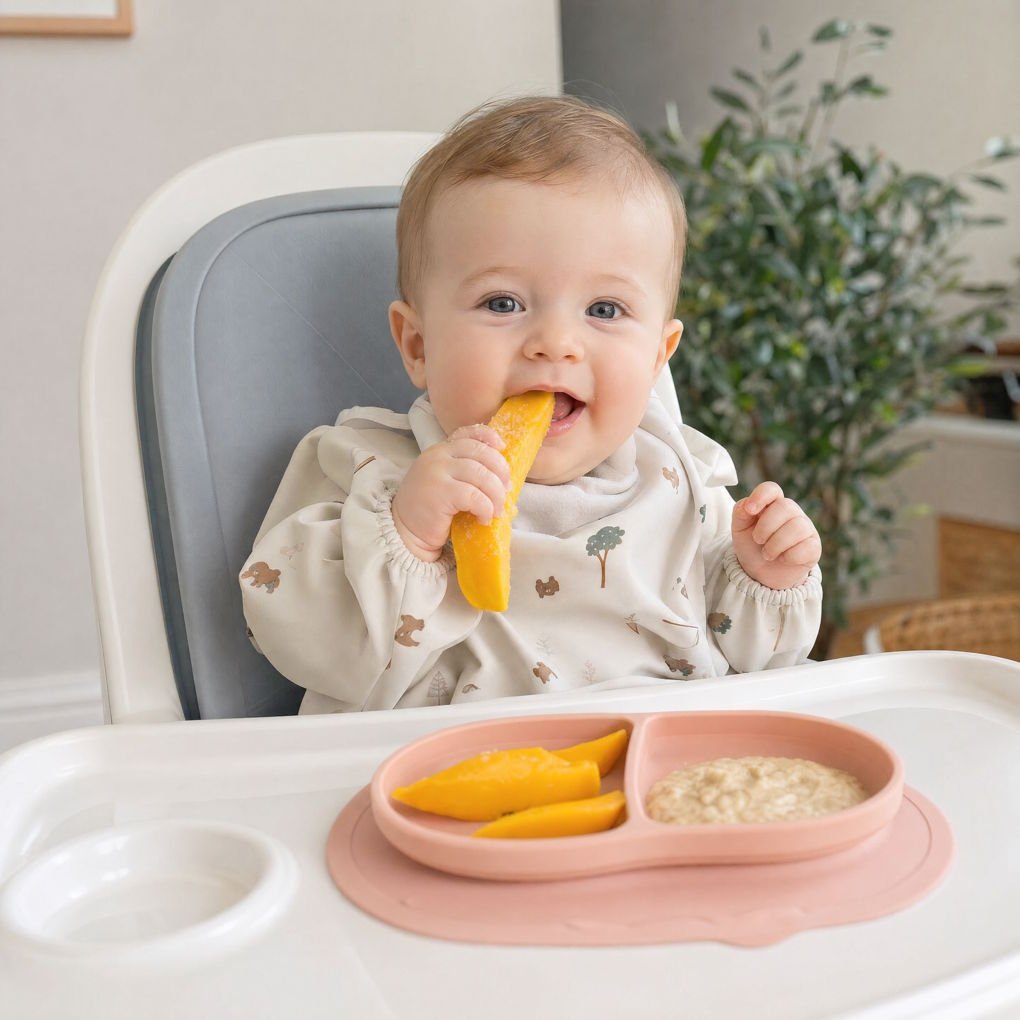
If you follow baby-led weaning, you can offer soft mango directly to your baby. Slice the ripe fruit into long, thick spears about the size of an adult finger so your baby can grasp it easily.
Because peeled mango flesh is naturally slippery, try rolling the spears in finely ground oats, hemp seeds, or infant cereal. This provides extra grip and makes self-feeding far less frustrating for little hands.
Can Babies Eat Mango Every Day?
While mango is highly nutritious, offering a varied diet is key to establishing healthy eating habits. Babies benefit most from trying a wide assortment of fruits, vegetables, grains, and protein sources.
Mango contains natural sugars, which are fine for babies in moderation. Serving whole, fibrous fruit is vastly different from offering sugary snacks, but balance remains important.
Appropriate portion sizes depend on your baby’s age, appetite, and overall intake. Offering a couple of tablespoons of mango a few times a week is a great way to include it in a balanced diet.
Are There Any Risks of Feeding Mango to Babies?
Mango is generally safe for most infants, but parents should remain aware of potential reactions and safety guidelines.
Can Babies Be Allergic to Mango?
Mango allergies are relatively uncommon, but they can occur. Mango skin contains urushiol, the same compound found in poison ivy, which can cause a mild contact rash around the mouth.
A true food allergy involves systemic symptoms such as hives, vomiting, or swelling. If you notice any breathing difficulty, significant facial swelling, or weakness, seek emergency medical care immediately.
Is Mango a Choking Hazard?
Slippery slices, firm fruit, or large chunks of mango can pose a choking hazard. Always make sure the fruit is completely ripe, soft, and cut into age-appropriate shapes.
Never leave your baby unattended while eating. Ensure your baby sits fully upright in a secure high chair during all meals and snack times.
Can Mango Cause Diarrhea or Stomach Upset?
Introducing high-fiber fruits in large quantities can sometimes lead to loose stools or stomach upset in infants. A baby’s digestive system adapts gradually to new foods.
Start with small portions when first offering mango. Monitor your baby’s digestive reaction before increasing the serving size.
Can Dogs Eat Mango?
Is Mango Safe for Dogs?
Ripe mango flesh is non-toxic and generally safe for healthy dogs when served in moderation. It provides beneficial vitamins A and C along with dietary fiber.
Always remove the outer peel and inner pit before offering mango to your dog. Mango should only be served as an occasional treat alongside their main balanced dog food.
How Much Mango Can Dogs Eat?
Offer small, bite-sized pieces appropriate for your dog’s size. A few small cubes are sufficient for a medium-sized dog.
Never allow dogs to chew on or swallow mango pits. Pits pose severe choking risks and can cause dangerous intestinal blockages that require immediate veterinary intervention.
Can Cats Eat Mango?
Is Mango Safe for Cats?
Small amounts of plain, ripe mango flesh are not toxic to cats. If your curious feline licks a tiny piece of fresh mango, it will generally not cause harm.
However, cats do not derive nutritional benefits from fruit. They lack the specific taste receptors for sweetness and digest animal proteins far better than plant sugars.
Should Cats Eat Mango Regularly?
Cats are obligate carnivores, meaning their bodies require meat-based diets to thrive. Fruit is entirely unnecessary in their daily feeding routine.
Avoid feeding cats mango skin, pits, or commercially sweetened mango products. Stick to high-quality cat food to keep your pet healthy.
Can Rabbits Eat Mango?
Is Mango Safe for Rabbits?
Healthy adult rabbits can eat tiny pieces of fresh, ripe mango flesh as an occasional treat. The natural fruit sugars taste appealing to them.
However, a rabbit’s digestive tract is extremely sensitive. High amounts of sugar can disrupt gut bacteria and lead to serious gastrointestinal stasis.
How Often Can Rabbits Eat Mango?
Mango should remain a rare treat, limited to a single small teaspoon-sized piece once or twice a week at most. High-fiber grass hay must make up at least 80% of a rabbit’s diet.
Always remove the skin and pit before serving fruit to rabbits. Never offer dried or canned mango, as these contain concentrated sugars and harmful additives.
Frequently Asked Questions About Babies and Mango
Can Babies Eat Raw Mango?
Yes, babies can eat raw mango as long as it is fully ripe, soft, peeled, and prepared safely for their age.
Can Babies Eat Frozen Mango?
Yes, but frozen mango should be fully thawed and mashed or pureed first. Never serve hard, frozen chunks, as they pose a severe choking hazard.
Can Babies Drink Mango Juice?
Fruit juice is not recommended for babies under 12 months unless specifically directed by a pediatrician. Whole-fruit purees offer far more fiber and nutrition.
Can Babies Eat Dried Mango?
No, dried mango is tough, leathery, and extremely chewy, making it a major choking hazard for babies. Stick to fresh, soft fruit instead.
Can Mango Be Mixed With Other Baby Foods?
Absolutely! Mango pairs wonderfully with plain whole-milk yogurt, oatmeal, avocado, or banana purees once individual ingredients have been safely introduced.
What Is the Best Time of Day to Feed Mango to a Baby?
There is no required time of day, but introducing new foods in the morning or early afternoon allows you to monitor for any potential food reactions during waking hours.
When Can Babies Have Mango?
In summary, babies can generally start enjoying mango at around 6 months of age, provided they show clear developmental readiness for solid foods.
Ripe mango offers fantastic nutritional benefits, providing essential Vitamin C, Vitamin A, and digestive fiber. By peeling the fruit, removing the pit, and serving appropriate textures, you ensure a safe eating experience.
Remember to offer a diverse variety of complementary foods alongside continued breast milk or formula. If you ever have specific concerns about your child’s nutrition or feeding milestones, reach out to your pediatrician for personalized guidance.
One Reply to “When Can Babies Have Mango?”