
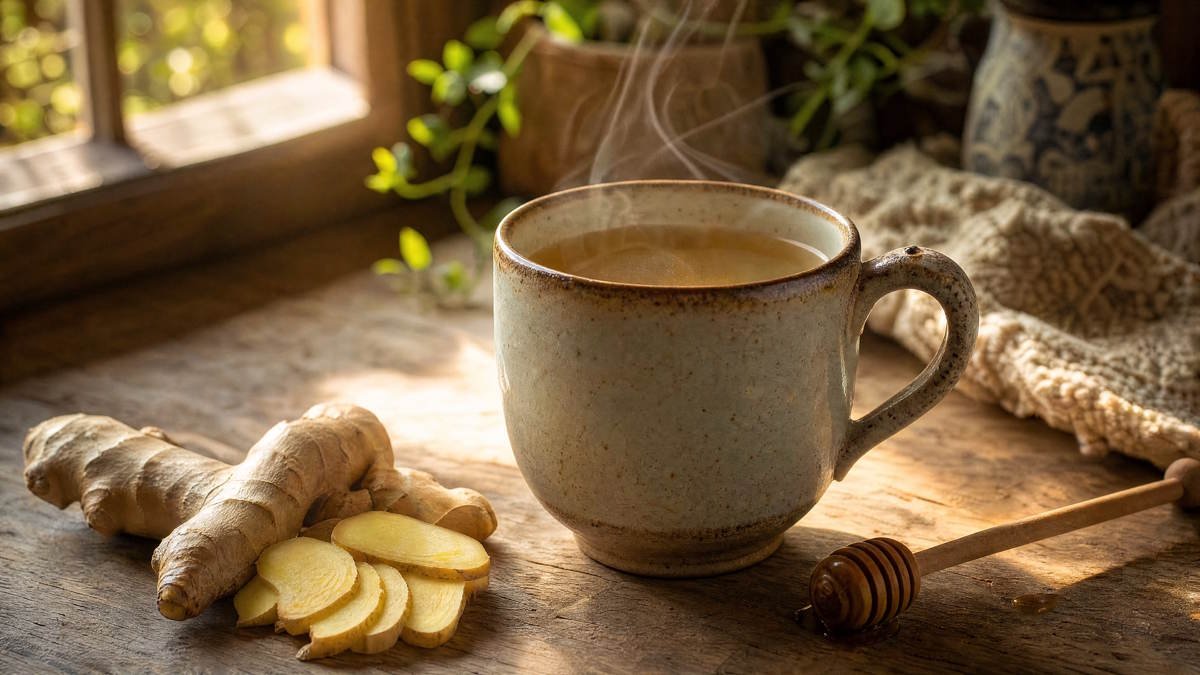
Imagine wrapping your hands around a warm, comforting mug on a chilly morning or after a heavy meal. That simple pleasure is exactly what you get with a fresh cup of ginger tea. Made by steeping fresh or dried ginger root in hot water, this naturally caffeine-free herbal drink is a soothing addition to any daily routine. The benefits of drinking ginger tea range from calming an upset stomach to supporting overall digestion, thanks to naturally occurring compounds like gingerols and shogaols. However, how much it helps can depend on your preparation method, how much you drink, and your individual health. Let’s explore what makes this spicy, warming beverage so special.
Ginger Tea Benefits
Ginger tea offers a variety of natural health benefits. Most notably, it helps relieve certain types of nausea, supports healthy digestion, and provides beneficial plant compounds that act as antioxidants. These effects come directly from the active compounds found in the ginger root.
May Help Relieve Nausea and Upset Stomach
If you have ever felt a wave of nausea, you know how disruptive it can be. Ginger has a long history as a go-to home remedy for an upset stomach. In fact, research shows that ginger may effectively reduce certain types of nausea.
For example, many people find relief from motion sickness by sipping ginger tea before a long car ride. Pregnant women also frequently use it to ease morning sickness, and it is a common suggestion for mild digestive discomfort. However, while evidence strongly supports its use for pregnancy-related nausea, its effectiveness for severe motion sickness can vary from person to person.
May Support Healthy Digestion
Do you ever feel uncomfortably full after a large dinner? Ginger tea might be exactly what you need. Studies suggest that ginger can speed up stomach emptying and stimulate natural gastrointestinal movement.
By encouraging your stomach to process food more efficiently, ginger may help reduce that heavy, bloated feeling. Because of this, many people make it a habit to enjoy a warm cup of ginger tea right after a heavy meal to keep things moving smoothly.
Contains Beneficial Plant Compounds
The secret behind ginger’s unique flavor and potential health perks lies in its natural plant compounds. The most important of these are gingerols and shogaols.
These active compounds are responsible for the spicy kick you taste. More importantly, gingerols and shogaols offer potential antioxidant and anti-inflammatory activities. This means they help your body fight off everyday stress at a cellular level, promoting overall wellness from the inside out.
Health Benefits of Ginger Tea

The health benefits of ginger tea extend beyond simple digestion. Regular consumption may support heart and metabolic health, ease menstrual discomfort, and contribute to your general wellness as part of a balanced lifestyle and healthy diet.
Potential Benefits for Heart and Metabolic Health
Taking care of your heart is a daily commitment, and what you drink matters. Preliminary research suggests that ginger supplementation may positively affect blood sugar levels, cholesterol, and blood pressure.
However, it is important to understand the science. Most of these promising results come from studies using highly concentrated ginger extracts or powders. Therefore, you cannot automatically apply these exact clinical results to a lightly brewed cup of ginger tea. Still, it remains a heart-healthy, sugar-free beverage choice.
May Help Ease Menstrual Discomfort
Monthly menstrual cramps can slow you down and disrupt your daily life. Interestingly, researchers have investigated ginger as a natural way to ease this specific type of pain.
Many women report finding comfort in a warm, soothing cup of ginger tea during their menstrual cycle. Keep in mind, though, that most clinical studies showing significant pain relief used carefully measured doses of ginger capsules, rather than a standard brewed tea. Even so, the warmth and hydration alone can be incredibly comforting.
May Support General Wellness
True health is about consistent, daily habits. Adding ginger tea to your routine can absolutely be part of a balanced diet and a healthy lifestyle.
That being said, it is vital to set realistic expectations. Beware of exaggerated claims stating that ginger tea magically detoxifies the body, cures severe illnesses, or boosts immunity in a clinically proven way. Instead, view it as a wholesome, hydrating habit that supports your body’s natural functions.
Benefits of Drinking Ginger Tea Daily
The benefits of drinking ginger tea daily include maintaining consistent hydration, experiencing more regular digestive comfort, and enjoying a naturally caffeine-free beverage. It is a simple, healthy habit that easily replaces sugary or highly caffeinated drinks.
Supports a Consistent Hydration Routine
Staying properly hydrated is essential for your energy levels, skin, and overall health. Unsweetened ginger tea is essentially flavored water, making it a fantastic way to contribute to your daily fluid intake.
If you struggle to drink enough plain water throughout the day, the zesty flavor of ginger can make hydration much more enjoyable. On top of that, it serves as an excellent, healthy alternative to sugary sodas or artificial juices.
May Provide Regular Digestive Comfort
For individuals experiencing occasional, mild digestive discomfort, a daily cup of ginger tea can become a comforting ritual. The steady intake of gentle plant compounds might help keep your digestive system feeling balanced.
However, everyone’s body is different. It is important to clarify that individual results will vary. Daily consumption does not guarantee perfect digestion, but it certainly provides gentle, natural support for your stomach.
Offers a Naturally Caffeine-Free Beverage Option
Many of us love the ritual of a hot drink but want to avoid the jitters associated with too much coffee. Because plain ginger tea is naturally caffeine-free, it is a perfect alternative.
You can enjoy it at any time of day without worrying about a subsequent energy crash. Just be sure to check your labels if you buy pre-packaged tea. You want pure ginger tea, not a blend mixed with black or green tea leaves, which do contain caffeine.
Benefits of Ginger Tea Every Day: How Much Should You Drink?
When considering the benefits of ginger tea every day, you can generally drink 1 to 3 cups daily. Start with one cup to see how your stomach tolerates it. The best time to drink it depends on your routine; for example, after meals to aid digestion.
How Many Cups of Ginger Tea Can You Drink Daily?
You might be wondering exactly how much is too much. Currently, there is no universally established daily serving recommendation for ginger tea.
A smart approach is to start with just one cup a day. From there, you can adjust the amount based on your own tolerance and preference. Remember that the strength of ginger varies greatly depending on your preparation method, so a strongly brewed cup will deliver more active compounds than a weak one.
When Is the Best Time to Drink Ginger Tea?
Timing your tea can enhance your experience. Many people prefer drinking ginger tea shortly after meals to promote digestive comfort and reduce bloating.
Others love a warm cup first thing in the morning to gently wake up their senses, or in the evening to unwind. Ultimately, there is no proven, universally optimal time to drink. You should simply enjoy it whenever it best fits into your personal routine.
Is Ginger Tea Anti-Inflammatory?
Yes, ginger contains natural anti-inflammatory properties. The active compounds, gingerols and shogaols, may help reduce inflammation in the body. While it is not a medical cure, drinking ginger tea can be a supportive part of an anti-inflammatory diet.
How Ginger Compounds May Affect Inflammation
Inflammation is your body’s natural response to injury or infection. However, chronic inflammation can lead to long-term health issues. Researchers have extensively investigated the anti-inflammatory properties of gingerols and shogaols.
These powerful plant compounds interact with pathways in your body that trigger swelling and pain. By regularly introducing these compounds through diet, you may help your body manage its natural inflammatory responses more effectively.
Can Ginger Tea Help With Joint Pain?
Joint pain from conditions like osteoarthritis can make everyday movement difficult. There is some promising research suggesting that ginger preparations may ease osteoarthritis-related discomfort.
However, there is limited clinical evidence proving that simply drinking brewed ginger tea provides the same relief as taking concentrated supplements. You should view ginger tea as a comforting addition to your wellness routine. Emphatically, ginger tea should never replace prescribed treatments from your doctor.
Does Ginger Tea Have Antioxidants?

Yes, ginger tea contains antioxidants. The ginger root is rich in naturally occurring antioxidant compounds that help protect your cells from oxidative stress. The exact amount of antioxidants in your tea depends heavily on how you brew it.
Antioxidant Compounds Found in Ginger
Antioxidants are crucial for keeping your cells healthy. They fight off free radicals, which cause oxidative stress. Simply put, oxidative stress is like rust forming on a car, and antioxidants act as the rust-proofing.
Ginger root is packed with naturally occurring antioxidant compounds. By drinking tea made from this root, you are gently introducing these protective elements into your system to support your cellular health.
How Brewing Affects Ginger Tea’s Antioxidant Content
Not all ginger teas are created equal. The quantity of ginger you use, the steeping time, and your overall preparation method directly affect the compounds extracted into your cup.
For instance, simmering fresh ginger for 10 minutes yields a much stronger antioxidant profile than briefly dipping a tea bag in warm water. Furthermore, remember that antioxidant content varies widely and does not guarantee a specific health outcome.
Is Ginger Tea Good for Sleep?
Ginger tea can be good for sleep primarily because it is warm, soothing, and caffeine-free. While it doesn’t contain sleep-inducing chemicals like melatonin, incorporating it into a relaxing nighttime routine can help signal to your body that it is time to rest.
Why Ginger Tea May Be a Good Evening Beverage
Creating a peaceful bedtime routine is essential for a good night’s rest. Because plain ginger tea is naturally caffeine-free, it will not keep you awake like coffee or traditional teas.
Sipping a warm beverage can calm you physically and mentally. The soothing heat and aromatic scent make ginger tea an excellent anchor for your relaxing evening wind-down routine.
Does Ginger Tea Actually Improve Sleep Quality?
If you are hoping for a magical sleep potion, you might need to adjust your expectations. Direct clinical evidence supporting ginger tea as an active sleep aid is quite limited.
Therefore, ginger tea should not be described as a medical treatment for insomnia. Additionally, be mindful of your timing. Drinking large amounts of liquid immediately before bed may actually disrupt your sleep by causing frustrating nighttime bathroom trips.
Is Ginger Tea Good for Kidneys?
Ginger tea can support overall kidney function by contributing to your daily hydration needs. However, there is no convincing evidence that ginger tea cleanses the kidneys or treats kidney disease, and people with compromised kidney function should consult a doctor first.
Ginger Tea and Kidney Health
Your kidneys rely heavily on adequate hydration to filter waste from your blood. In this regard, ginger tea contributes beautifully to your daily hydration goals and supports overall kidney health.
However, it is crucial to separate fact from internet fiction. Ginger tea has not been established as a medical treatment for kidney disease. Furthermore, we must address the lack of convincing evidence behind popular claims that ginger tea magically cleanses the kidneys or flushes out toxins.
Can People With Kidney Problems Drink Ginger Tea?
If you have pre-existing health conditions, you need to be careful with herbal remedies. Individuals with chronic kidney disease, specific fluid restrictions, or complex medication regimens should always consult a healthcare professional before adding new teas to their diet.
Remember that concentrated ginger supplements differ significantly from ordinary ginger tea. Finally, avoid believing dangerous, unfounded claims that drinking ginger tea can prevent or dissolve painful kidney stones.
How to Make Ginger Tea at Home
Making ginger tea at home is simple and requires only fresh ginger root, water, and optional flavorings like lemon or honey. Wash and slice the ginger, bring the water to a boil, let it simmer for 5–10 minutes, strain, and enjoy your fresh, homemade tea.
Ingredients
Creating your own soothing brew at home is surprisingly simple. You only need a few basic items to get started:
- Fresh ginger root
- Water
- Optional lemon or honey for added flavor
Step-by-Step Preparation
Making the perfect cup takes just a few minutes. Follow these easy steps:
- Wash and thinly slice your fresh ginger root.
- Bring your water to a rolling boil on the stove.
- Add the ginger slices and let the mixture simmer or steep for approximately 5–10 minutes.
- Carefully strain the liquid into your favorite mug.
- Add a squeeze of lemon or a small spoonful of honey if desired.
To customize your drink, try adjusting the ginger concentration by adding more slices or steeping longer. Also, try limiting added sugar to keep the beverage as healthy as possible.
Possible Side Effects and Precautions of Drinking Ginger Tea
While generally safe, drinking too much ginger tea can cause minor side effects like heartburn, stomach discomfort, or diarrhea. People on blood thinners, blood sugar medications, or those with underlying medical conditions should consult a doctor before consuming large amounts.
Common Side Effects
Even natural remedies can have downsides if you consume too much. Some people may experience mild heartburn or acid reflux after drinking ginger tea.
Other potential issues include general stomach discomfort. In cases of much higher ginger intake, you might even experience diarrhea or a mild, temporary irritation in your mouth.
Who Should Be Careful With Ginger Tea?
Certain individuals need to exercise extra caution. People taking anticoagulant or antiplatelet medications should consult a doctor, as ginger can interact with these medications and affect blood clotting.
Similarly, people taking medications that lower blood sugar should be careful. Pregnant individuals considering ginger for persistent nausea must speak with their doctor first. In general, people with existing medical conditions or those who plan to consume concentrated ginger regularly need medical guidance. Keep in mind that potential interactions may heavily depend on the dose and your preparation method.
Frequently Asked Questions About Ginger Tea
It is normal to have questions when adding a new healthy habit to your life. Let’s look at some common questions.
Can You Drink Ginger Tea on an Empty Stomach?
Yes, you can, but it depends on your body. Some people tolerate it perfectly well and love the warming sensation. However, others may experience heartburn or mild digestive discomfort when drinking it on an empty stomach.
Is It Better to Drink Ginger Tea Hot or Cold?
This largely comes down to your personal preference and your hydration goals. There is no strong clinical evidence suggesting that one serving temperature offers superior health benefits over the other. Enjoy it iced in the summer and hot in the winter.
Can You Drink Ginger Tea Every Night?
Yes, many people safely enjoy a cup every night. Because it offers caffeine-free benefits, it will not disrupt your sleep cycle. Just monitor your own tolerance and avoid drinking a massive cup right before bed to avoid waking up to use the bathroom.
Can Ginger Tea Help With Weight Loss?
Let’s clear up a common myth. Ginger tea is not a proven stand-alone weight-loss solution or magic fat burner. However, replacing sugary, higher-calorie beverages with unsweetened ginger tea can certainly support a healthy weight management plan.
Drinking Ginger Tea Benefits
The potential benefits of drinking ginger tea make it a wonderful addition to a healthy routine. From offering gentle nausea relief and steady digestive support to providing beneficial plant compounds, it is a comforting daily habit.
Always remember that not all health benefits observed in strict clinical ginger research have been demonstrated specifically for brewed tea. Therefore, we encourage moderate consumption as part of a balanced lifestyle. Why not prepare a warm, unsweetened cup of ginger tea today and see how well your body tolerates it?