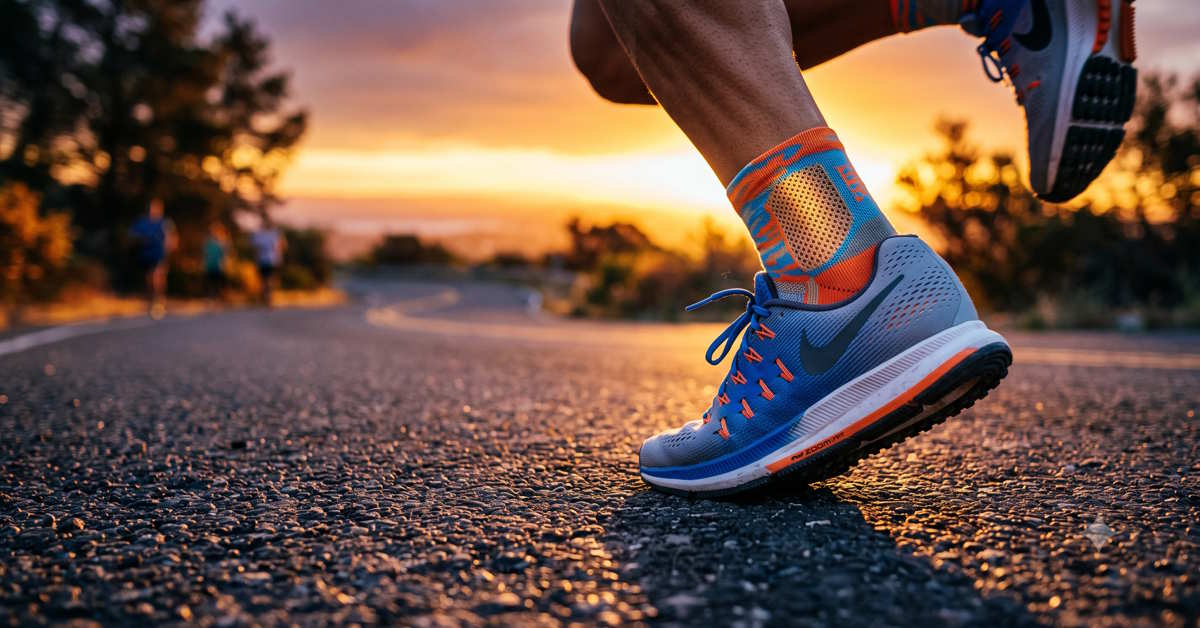
Have you ever finished a run with sore, sweaty, or blistered feet? If so, you already know why finding the best running socks matters. Everyday socks simply cannot handle the demands of a tough workout. The right pair of running socks will transform your daily miles. They improve overall comfort, control moisture, and protect your feet from friction. In fact, your running shoes can only perform at their peak when paired with high-quality socks.
However, the perfect choice depends on several factors. Your usual distance, local weather, shoe fit, and personal preferences all play a role. In this guide, we will explore the key features of top-tier running socks. You will learn exactly what to look for on your next run.
What Are Running Socks?
What exactly are running socks? Essentially, they are purpose-built athletic socks designed to manage sweat, friction, and repeated foot impacts. Unlike standard cotton socks, running-specific options prioritize high-performance materials. They typically feature synthetic blends such as polyester, nylon, and elastane, or natural performance fibers such as merino wool.
Standard cotton socks hold onto sweat. This creates a damp environment that softens the skin and leads to painful blisters. In contrast, running socks actively pull moisture away from your skin. They feature strategic stretch, ensuring a secure fit without slipping. Many also include targeted padding in high-impact zones. Ultimately, this specialized construction keeps your feet dry, secure, and comfortable during every stride.
Benefits of Wearing the Best Socks for Running
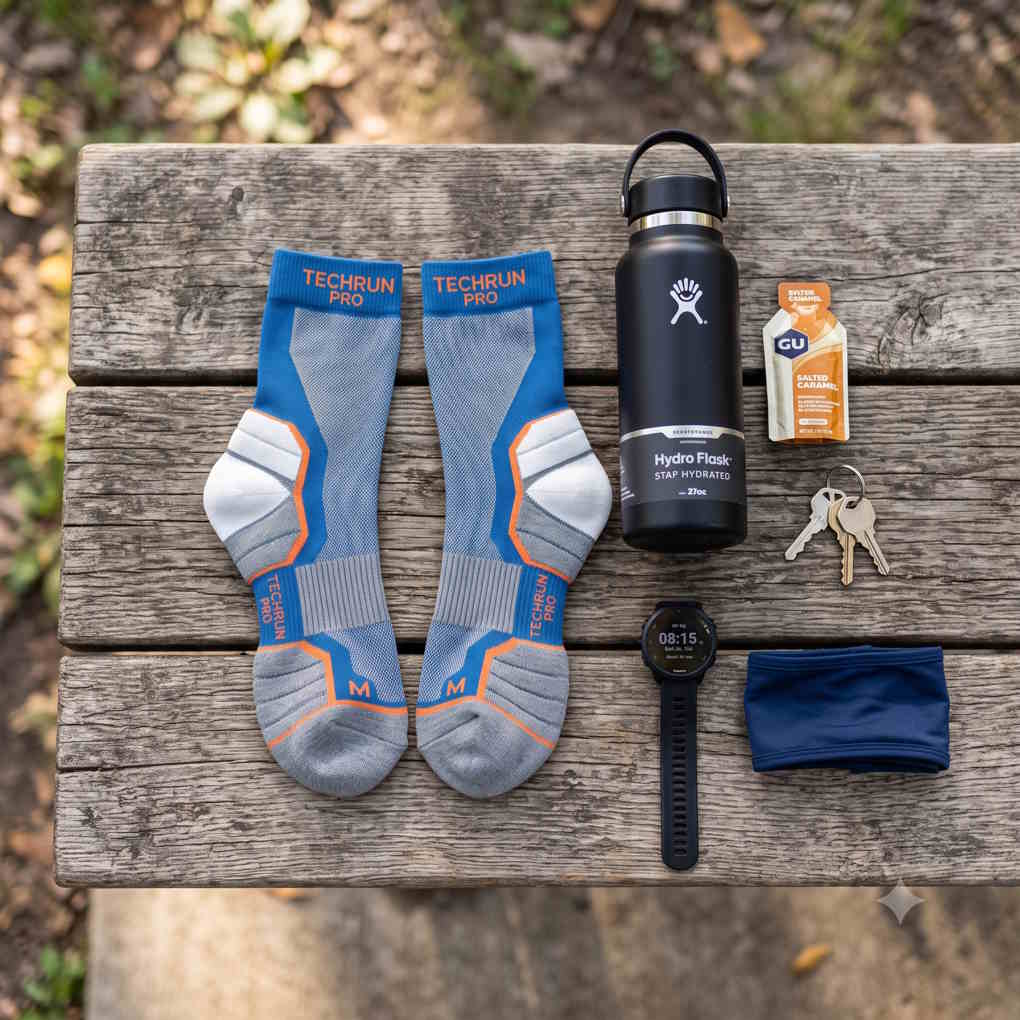
Wearing the best running socks offers a major upgrade to your daily miles. The most significant benefit is better moisture management. Performance fabrics wick sweat away from the skin quickly. Keeping your feet dry is crucial, especially during long runs, when excess moisture can cause severe discomfort.
Additionally, high-quality socks reduce friction and irritation. Features like seamless toes and smooth fabrics prevent uncomfortable rubbing against your shoes. You also gain added cushioning and support. Many options feature targeted padding under the heel and forefoot to absorb impact. Built-in arch compression provides a secure fit, stopping the fabric from sliding around.
Finally, running socks offer improved temperature control. You can find ultra-lightweight mesh options for hot summer days. Conversely, thermal merino wool blends will keep your toes warm when winter temperatures drop.
Key Features to Look for in the Best Running Socks
When shopping for the best running socks, look for moisture-wicking materials like synthetic blends or merino wool. Ensure a proper fit with arch compression, seamless toes to prevent friction, breathable mesh panels, and the right level of cushioning for your specific running style.
First, prioritize moisture-wicking material. You should strongly avoid socks made primarily from cotton. Instead, choose synthetic blends or natural merino wool for superior sweat control.
Next, focus on a proper fit. Running socks must feel completely secure without restricting your circulation. Choosing the correct size ensures the fabric will not bunch up and cause painful hot spots.
You must also consider the cushioning level. You can choose from no-cushion, lightweight, medium-cushion, and maximum-cushion designs. A thin sock suits short runs or hot weather perfectly. Meanwhile, long-distance running or trail running often calls for medium to maximum padding.
Seamless construction is another critical feature. Flat toe seams significantly reduce irritation across the top of your toes. On top of that, look for arch support and compression. Snug compression bands prevent the fabric from slipping down your heel.
Breathability matters, too. Top designs feature mesh panels and ventilation zones on the top of the foot. Finally, consider sock height. Options range from invisible no-show cuts to ankle, quarter, crew, and knee-high lengths. Your choice depends entirely on your climate, shoe style, and personal comfort.
Best Running Socks to Prevent Blisters
The best running socks to prevent blisters use moisture-wicking fabrics and feature a snug, seamless fit. By reducing heat, sweat, and friction—the three main causes of blisters—these specialized socks protect your skin during repeated impacts.
Blisters develop when moisture, heat, and friction combine. Therefore, you need moisture-wicking fabrics and a close, wrinkle-free fit to stop them. A smooth fit prevents the fabric from rubbing against your delicate skin.
Some runners swear by double-layer running socks. The two layers rub against each other rather than against your foot, effectively reducing friction. Toe socks offer another excellent solution for runners who experience frequent irritation between their toes. By wrapping each toe individually, they eliminate skin-on-skin rubbing.
However, remember that footwear matters just as much. Shoes that are too tight or too loose may still cause blisters, even with high-quality socks.
Always take a cautious approach with new gear. We highly recommend testing new socks during shorter training runs. You should never try a brand-new pair on race day.
Best Running Socks for Men
While feet are generally similar, the best running socks for men often accommodate a range of sizes. Men’s socks generally accommodate larger shoe sizes and wider foot shapes. If you have particularly wide feet, look for brands offering extended size charts.
However, you should not choose socks solely based on gender. Instead, base your choice on cushioning needs, local climate, running distance, and your specific shoe fit.
Many male runners prefer a variety of styles in their rotation. Lightweight ankle socks work beautifully for quick summer jogs. Cushioned crew socks offer great protection for dusty trails. Meanwhile, knee-high compression socks remain popular for intense long-distance efforts and post-run recovery. Ultimately, finding the perfect match comes down to your personal training habits.
Best Running Socks for Women
Finding the best running socks for women often means looking for female-specific sizing. Women’s socks are often designed with a narrower heel. This tailored shape is incredibly important for comfort. A secure, snug heel fit will drastically reduce slipping, bunching, and the risk of blistering.
Like men’s options, women’s socks come in various weights and materials. You can easily find ultra-lightweight race socks, heavily cushioned trail options, and cozy merino wool pairs.
However, do not rely only on product labels. Some women prefer the wider fit of a men’s or unisex sock. Runners should always prioritize actual fit, comfort, and fabric quality over the gender printed on the packaging. Find what hugs your foot best.
Types of Running Socks for Different Activities
Road Running Socks
Road running socks typically feature lightweight construction and highly breathable materials. They offer moderate cushioning to absorb the impact of hard pavement while keeping your feet cool.
Trail Running Socks
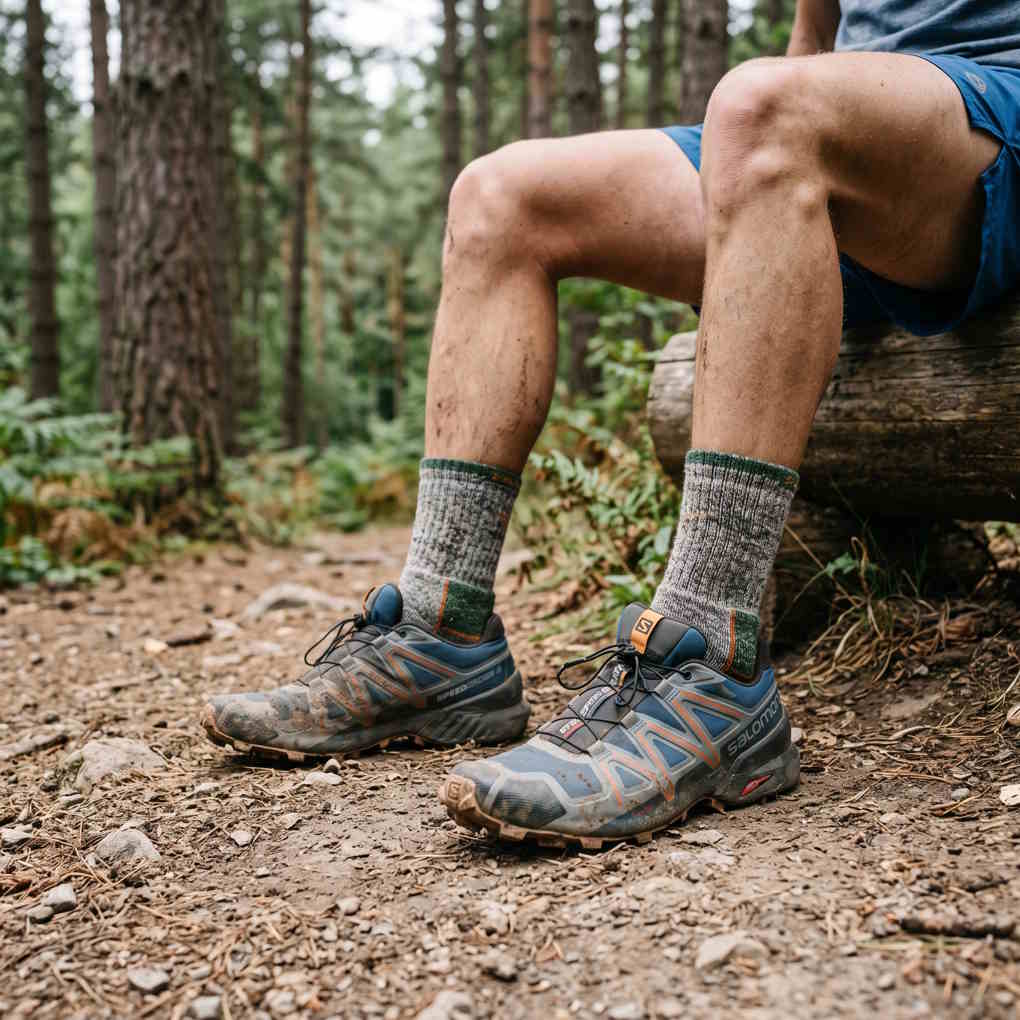
Trail running socks demand extra durability. They usually feature higher cuffs, such as quarter- or crew-lengths, for protection against dirt, rocks, and debris. They also utilize tougher materials and extra cushioning for rugged terrain.
Long-Distance Running Socks
For marathoners, long-distance running socks are vital. These prioritize enhanced moisture control and a perfectly secure fit. They often use strategic cushioning to delay foot fatigue over high mileage.
Winter Running Socks
When winter arrives, winter running socks become essential. Look for merino wool or advanced thermal blends. These provide necessary warmth without adding excessive thickness that might alter your shoe’s fit.
Compression Running Socks
Finally, consider compression running socks. These deliver snug, graduated support around the foot and lower leg. They remain highly popular for long races and active recovery. Keep in mind, however, that compression preferences vary widely among runners.
How to Choose the Right Running Socks
To choose the right running socks, consider your running distance, local weather, and shoe fit. Match the sock’s material to the climate, select a cushioning level that feels comfortable, and ensure the thickness doesn’t make your running shoes too tight.
First, consider your usual distance and the type of running you do. Next, match the sock thickness to the fit of your running shoe. A very thick sock can make a well-fitting shoe feel painfully tight.
You must also choose materials based on the weather. Pick thin, vented synthetics for summer and insulating wool for winter. Identify your specific foot concerns, such as heavy sweating, frequent blisters, or sensitive toes.
Decide how much cushioning feels most comfortable underfoot. Try out several sock heights and styles to see what you actually prefer on the road.
Most importantly, stick to a golden rule of running: never wear brand-new socks during an important race. Always break them in during normal training runs.
How Should Running Socks Fit?
Running socks should feel incredibly snug, but never painfully tight. The heel section of the sock must align perfectly with the heel of your foot. Additionally, there should be absolutely no loose fabric bunching up around your toes.
A proper fit means the socks will not slide down into your shoe. They will not bunch up under your arch or create painful pressure points.
Keep in mind that thickness alters fit. Overly thick socks can make properly fitted shoes feel far too tight. Always try on new socks with the exact running shoes you plan to wear.
How to Care for Running Socks
To get the most miles out of your gear, always follow the manufacturer’s washing instructions. You should wash your socks after every single run. Built-up sweat and bacteria will rapidly degrade high-performance fabrics.
Avoid using excessive heat in the dryer, as it can easily damage delicate elastic fibers. Instead, air-dry your socks whenever appropriate.
Additionally, keep your toenails trimmed short to prevent premature fabric damage and holes. You should replace your socks when the cushioning becomes noticeably flat. Also, toss them if the elastic loosens or if visible holes begin to appear.
Common Running Sock Mistakes to Avoid
Many beginners make easily avoidable mistakes with their gear. The most common error is wearing everyday cotton socks for long or high-sweat runs. Another frequent issue is simply choosing the wrong size, which can lead to friction.
Some runners mistakenly use socks that are far too thick for their current shoes. You should also never ignore bothersome seams or fabric bunching; these small annoyances become severe blisters over time.
Avoid wearing worn-out socks with flattened, reduced cushioning. Finally, as mentioned earlier, never try new socks for the first time during a race or a massive long run.
Frequently Asked Questions
Are Thick or Thin Socks Better for Running?
The best thickness depends entirely on your shoe fit, local temperature, running distance, and cushioning preference. Thin socks are excellent for hot weather and tight shoes. Thick socks offer greater impact protection and warmth for long or cold runs.
Are Cotton Socks Suitable for Running?
No, cotton is generally terrible for running. Cotton retains moisture and traps sweat against your skin. This causes intense friction and severe blisters. Moisture-wicking materials like polyester or wool are heavily preferred.
Do Running Socks Help Prevent Blisters?
Yes, they absolutely do. Quality running socks reduce moisture and eliminate skin-on-skin friction. However, proper footwear and an accurate fit are also critical to staying blister-free.
How Often Should Running Socks Be Replaced?
You should replace them when you notice visible wear and tear. Watch out for thinning fabric, lost elasticity, and noticeably reduced cushioning under the heel or forefoot.
Are Compression Socks Good for Running?
Many runners find compression socks extremely beneficial. They appreciate the snug support and increased blood flow. However, overall comfort and suitability vary widely from person to person.
Should Running Socks Be Tight?
They should be secure and completely wrinkle-free. However, they should never cause numbness or restrict your circulation. A snug fit prevents slipping that can lead to blisters.
Finding the Best Running Socks for Your Needs
In the end, investing in proper footwear goes far beyond your shoes. Prioritizing moisture-wicking fabric, a proper fit, strategic cushioning, and breathability makes a massive difference.
Ultimately, the best option depends on your own feet, your specific shoes, your running distance, and your local environment. We encourage you to test several different materials and cushioning levels during your regular training sessions.
Always prioritize pure comfort and blister prevention over flashy appearances or brand popularity. When your feet feel fresh, dry, and supported, you can truly focus on enjoying the run.