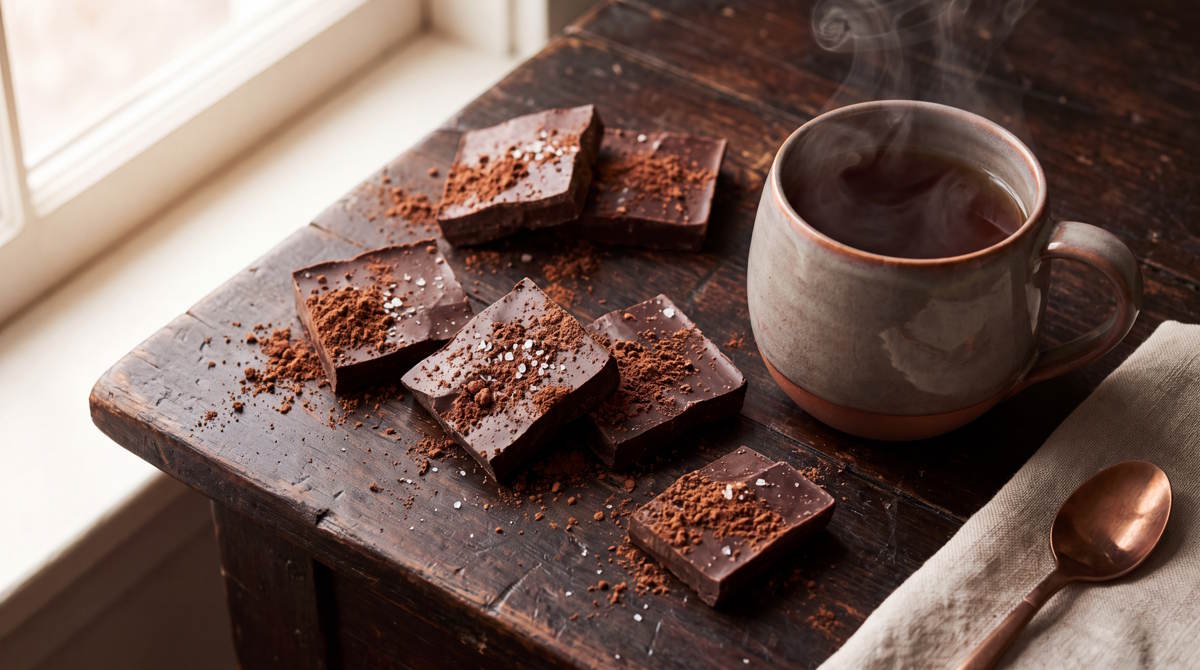
Do you love a good piece of chocolate? Most of us do. But what if your favorite afternoon treat could actually do wonderful things for your body? This is where the benefits of dark chocolate come into the picture. Dark chocolate is a delicious, cocoa-rich food enjoyed worldwide for both its intense flavor and its potential health perks.
The secret lies in the cocoa bean. Many of its health benefits are linked to powerful cocoa compounds, especially flavanols and other antioxidants. Of course, not all chocolate is created equal. The actual dark chocolate benefits you get will depend heavily on the cocoa percentage, how it is processed, the amount of added sugar, and your serving size.
In this guide, we will explore everything you need to know. We will look at how dark chocolate impacts heart health, brain function, skin protection, and weight management. We will also cover its nutritional profile and potential drawbacks, so you can enjoy it with peace of mind.
Is Dark Chocolate Healthy?
Yes, dark chocolate can be very healthy when chosen carefully. Dark chocolate is healthy because it is rich in cocoa solids, which contain naturally occurring nutrients such as flavanols and polyphenols. These plant compounds act as antioxidants in your body.
What sets dark chocolate apart from milk and white chocolate is its high concentration of these cocoa solids. While milk chocolate is diluted with milk powder and lots of sugar, dark chocolate focuses on the cocoa.
As a result, it is an excellent source of essential nutrients. A high-quality bar provides good amounts of iron, magnesium, copper, and manganese, as well as dietary fiber.
Generally speaking, a higher cocoa percentage means more of these beneficial compounds and less added sugar. However, it is important to remember that dark chocolate is still calorie-dense. To keep it healthy, you should always consume it in moderation.
What Percentage of Dark Chocolate Is Healthy?

For the best health results, experts commonly recommend choosing dark chocolate with 70% cocoa or higher.
The cocoa percentage directly affects the bar’s flavor and health profile. A higher percentage means less room for sugar. It also means a higher concentration of beneficial flavanols. However, this also makes the chocolate less sweet and noticeably more bitter.
Always check the ingredient list. Do not just rely on the bold percentage printed on the front of the package. Ensure that cocoa mass or cocoa liquor is the first ingredient, not sugar.
Is Dark Chocolate Good for You?
Yes, moderate consumption of high-quality dark chocolate can be a wonderful addition to a balanced diet.
Eating small amounts regularly provides powerful antioxidants that fight cellular damage. It also supports cardiovascular health and promotes healthy blood circulation throughout your body. Furthermore, it provides essential minerals your body needs to thrive each day.
Some studies suggest it may even support cognitive function and benefit your mood. It might even help support your skin health against environmental stress.
However, always remember that dark chocolate is a supplement to a healthy lifestyle. It should complement a nutritious diet, not replace other whole foods.
Top Health Benefits of Dark Chocolate
Dark Chocolate Is Rich in Antioxidants
Antioxidants are natural defenders in your body. They help stop or delay cellular damage. Dark chocolate is incredibly rich in specific antioxidants called cocoa flavanols and polyphenols.
Every day, your body faces oxidative stress from things like pollution, poor diet, and natural aging. This stress can damage your cells over time. Eating antioxidant-rich foods helps neutralize this damage, keeping your cells healthier for longer.
May Support Heart Health
One of the most celebrated benefits of dark chocolate is its positive impact on the heart. The cocoa flavanols in dark chocolate can improve blood vessel function.
They do this by stimulating the lining of your arteries to produce nitric oxide. Nitric oxide helps your blood vessels relax. This relaxation supports healthy circulation and reduces resistance to blood flow.
As a result, regular, moderate consumption of dark chocolate may have potential positive effects on blood pressure and overall cardiovascular health.
May Help Support Healthy Cholesterol Levels
Some research indicates that the compounds in cocoa might influence cholesterol levels. Specifically, they may help protect LDL (bad) cholesterol from oxidation. Oxidized LDL is more likely to damage the lining of your arteries.
Additionally, it may slightly boost HDL (good) cholesterol. However, you should never view dark chocolate as a cholesterol treatment. It is simply a heart-friendly food when eaten in moderation.
Provides Essential Minerals
Dark chocolate is surprisingly nutritious. A standard bar with 70-85% cocoa is rich in essential minerals.
It provides magnesium, which is crucial for nerve function and energy production. It contains iron, which is necessary for oxygen transport in your blood. It also supplies copper and manganese, which support your immune system and bone health.
Dark Chocolate Benefits for Weight Loss
Let’s be clear upfront: dark chocolate is not a magic weight-loss food or a fat-burning remedy. However, when eaten in moderate, controlled portions, it can actually fit perfectly into a weight-management plan.
Can Dark Chocolate Help Control Cravings?
Yes, it can. Dark chocolate has an incredibly rich, intense flavor. This intensity means it can often satisfy sweet cravings with a much smaller portion.
Think about standard milk chocolate or gummy candies. They are packed with refined sugar, which spikes your blood sugar and leaves you wanting more. A small piece of dark chocolate provides a satisfying finish to a meal without the massive sugar crash.
Does Dark Chocolate Help with Appetite?
It might help you feel full faster. Dark chocolate contains natural cocoa butter (a satisfying fat) and a decent amount of dietary fiber. Both fat and fiber contribute to feelings of satiety.
That said, evidence regarding direct weight-loss effects remains limited. It is more about craving management than active fat loss.
How to Eat Dark Chocolate When Trying to Lose Weight
If you are watching your waistline, try these practical tips:
- Keep your portions small (about 1 square).
- Choose varieties with 70% cocoa or higher.
- Avoid chocolate bars stuffed with caramel, nougat, or sugary fillings.
- Pair it with nutrient-dense foods, like a handful of almonds or some fresh berries.
- Always account for the calories within your overall daily needs.
Benefits of Dark Chocolate for Brain Health
Your heart isn’t the only organ that loves cocoa. The brain also enjoys some fantastic benefits of dark chocolate.
May Support Blood Flow to the Brain
Just as cocoa flavanols help relax blood vessels in your heart, they do the same for your brain. Improved blood vessel function means better circulation.
Better circulation delivers more oxygen and nutrients to your brain cells, which is essential for optimal cognitive performance and focus.
May Support Memory and Cognitive Function
Researchers have spent years examining how cocoa flavanols affect the brain. Some studies suggest they may help improve memory, attention span, and mental processing speed, especially in older adults.
While these findings are exciting, more long-term research is still needed before we can make strong medical conclusions.
Can Dark Chocolate Improve Your Mood?
Absolutely, though partly just because eating it is a sensory joy! The rich texture and taste naturally bring pleasure.
Beyond taste, cocoa contains compounds that have been studied for their potential benefits for mood and stress reduction. However, it is important to remember that chocolate is a treat, not a medical treatment for depression, anxiety, or mental-health conditions.
Dark Chocolate Benefits for Skin
Can eating chocolate give you a healthy glow? It just might, thanks to its impressive nutrient profile.
Antioxidants May Help Protect Skin Cells
Your skin faces daily oxidative stress from environmental factors like pollution and UV rays. This stress accelerates aging and damages skin cells.
The potent antioxidants in cocoa can help support your body’s natural defenses, potentially slowing down signs of cellular aging.
May Support Skin Hydration and Circulation
Because flavanols improve blood flow, they also improve circulation directly to your skin. Better skin blood flow means better delivery of nutrients and moisture.
Some studies suggest this can lead to measurable improvements in skin hydration, thickness, and overall texture.
Does Dark Chocolate Protect Skin From the Sun?
Certain cocoa compounds have been studied for their potential to increase skin resistance to UV-induced stress and sunburn.
However, let’s be very clear: dark chocolate does not replace sunscreen. You must still use SPF, wear protective clothing, and practice smart sun-protection measures.
Dark Chocolate Benefits for Men and Women
Most of the benefits of dark chocolate apply equally to everyone, regardless of sex.
Both men and women can benefit from the high magnesium intake, heart and circulation support, and robust antioxidant levels. Everyone can appreciate the brain-health perks and energy-metabolism boost provided by the minerals in cocoa.
For some women, the iron and magnesium content may be especially helpful during certain times of the month to replenish lost minerals. But overall, the cardiovascular and cognitive advantages are universal.
Is Dark Chocolate Good for Your Heart?
To summarize, yes, dark chocolate is very good for your heart. The star players are the flavanols, which heavily support healthy circulation and flexible, relaxed blood vessels.
To get these benefits, choosing dark chocolate with minimal added sugar is critically important. Sugar causes inflammation, which counteracts the heart benefits. Finally, remember that eating chocolate cannot replace fundamental heart-healthy habits like daily exercise, adequate sleep, and a balanced diet.
How Much Dark Chocolate Should You Eat a Day?

While it is healthy, there is no universal daily requirement for chocolate to obtain health benefits.
Because it is quite calorie-dense and high in fat, you should keep your servings modest. A practical, healthy serving size is approximately 20 to 30 grams per day. This is roughly one or two small squares from a standard bar.
When deciding how much to eat, always consider your total daily calorie intake. Factor in the saturated fat and added sugar in the brand you choose. Also, keep in mind your personal caffeine sensitivity, as dark chocolate does contain small amounts of caffeine.
What Is the Healthiest Dark Chocolate to Eat?
Navigating the candy aisle can be confusing. Here is a simple buying checklist to find the healthiest option:
- Choose 70% cocoa or higher.
- Look for ‘cocoa mass’ or ‘cocoa liquor’ as the very first ingredient.
- Pick products with relatively low added sugar.
- Prefer shorter ingredient lists without artificial additives.
- Avoid excessive sugary fillings like caramel or creams.
- Always compare nutrition labels between different brands.
Is 70%, 85%, or 90% Dark Chocolate Better?
It depends on your taste and health goals:
– 70%: Sweeter and easier for most people to enjoy regularly.
– 85%: Has significantly less sugar and a much more pronounced, earthy cocoa flavor.
– 90%+: Extremely low in sugar, offering maximum health benefits, but considerably more bitter.
The best choice is the one that offers a high cocoa content while remaining enjoyable enough to consume in moderation.
Are There Any Disadvantages of Eating Dark Chocolate?
Despite the wonderful benefits of dark chocolate, there are a few concerns to keep in mind.
First, it has a high calorie and saturated fat content. Overeating it will lead to weight gain. Second, even dark varieties contain some added sugar.
Additionally, it contains caffeine and theobromine, which might cause jitteriness or sleep issues if eaten right before bed. It can also cause digestive discomfort or act as a migraine trigger for certain susceptible individuals.
Finally, some cocoa products have been scrutinized recently for trace levels of heavy metals such as cadmium and lead. Because of this, it is wise to research product quality, choose reputable brands, and maintain variety in your diet.
Dark Chocolate vs. Milk Chocolate: Which Is Healthier?
Wondering how your favorite types stack up? Here is a quick comparison:
| Factor | Dark Chocolate | Milk Chocolate |
| Cocoa content | Usually higher | Usually lower |
| Added sugar | Often lower | Often higher |
| Cocoa flavanols | Generally higher | Generally lower |
| Taste | More bitter | Sweeter |
| Milk content | Little or none | Contains milk solids |
In conclusion, higher-cocoa dark chocolate generally offers far more beneficial, cocoa-derived compounds. However, portion size remains crucial no matter which one you choose.
Frequently Asked Questions About Dark Chocolate Benefits
Is It Okay to Eat Dark Chocolate Every Day?
Yes. A small serving can easily fit into most balanced diets, provided it aligns with your overall daily calorie, sugar, and dietary needs.
What Happens If You Eat Dark Chocolate Every Day?
You may experience the potential benefits of cocoa compounds, like better circulation and antioxidant protection. However, you must avoid excessive portions to prevent unwanted weight gain from the calories and sugar they contain.
Is Dark Chocolate Good for Weight Loss?
It is not a weight-loss tool, but it may help satisfy intense sweet cravings quickly and prevent you from overeating sugary junk food.
Is Dark Chocolate Good for the Brain?
Research suggests that cocoa flavanols support healthy blood circulation to the brain, which may help with overall cognition, focus, and mood.
Is Dark Chocolate Good for Your Skin?
Yes, the antioxidants and improved circulation can support skin hydration and protect against oxidative damage, though they do not replace sunscreen.
What Percentage of Dark Chocolate Is Best?
Generally, 70% cocoa or greater is the best practical starting point to get the health benefits without overwhelming bitterness.
When Is the Best Time to Eat Dark Chocolate?
There is no proven ideal time. However, caffeine-sensitive individuals should avoid eating large amounts late in the evening or close to bedtime.
Should You Add Dark Chocolate to Your Diet?
If you are looking for a delicious way to boost your nutrient intake, you should absolutely consider it. The incredible benefits of dark chocolate—ranging from robust antioxidant support and cardiovascular health to improved brain function, skin health, and essential mineral intake—make it a standout treat.
Just remember that these benefits are most relevant to products with a high cocoa percentage (70% or more). Because it remains calorie-dense, moderate serving sizes are key to success.
Instead of viewing it as a standalone health remedy, consider dark chocolate a delightful, joyful addition to a balanced, nutritious diet. Enjoy every bite!
One Reply to “Dark Chocolate Benefits”