
Have you ever found yourself wondering, ” What are compression socks? You are certainly not alone. These specialized garments are becoming incredibly popular for everyday use. In short, compression socks are specially designed socks that apply gentle, graduated pressure to your legs. People wear them for many reasons, including improving circulation, reducing swelling, and supporting tired legs. They are also fantastic for traveling, exercising, and managing certain medical conditions. Furthermore, compression socks come in various lengths and levels of compression to suit different needs. In this guide, we will explore exactly how they work, the different types available, and whether they might be the right choice for your daily routine.
What Are Compression Socks?
Compression socks are specialized, elastic garments designed to apply gentle, graduated pressure to your lower legs. This snug fit helps blood flow upward toward your heart. As a result, they can effectively reduce swelling, fight leg fatigue, and support healthy blood circulation.
Unlike ordinary socks that simply keep your feet warm, compression socks serve a functional purpose. They feature a snug, elastic construction that gently hugs your legs. This design applies specific pressure around your foot, ankle, and lower leg. The secret lies in a concept called graduated compression.
You can find these socks in several common lengths to suit your comfort and needs. These include ankle socks, knee-high socks, thigh-high socks, and full-length compression stockings.
What Is Graduated Compression?
Graduated compression means the pressure is strongest around your ankle and gradually decreases higher up your leg. This targeted design acts like a gentle massage. It effectively helps push blood upward, supporting blood flow back toward your heart.
How Do Compression Socks Work?
Your leg veins have a tough job. They must constantly pump blood upward to return it to your heart. However, gravity often works against them. This gravitational pull can contribute to blood pooling in your lower legs.
This is exactly where compression steps in. The fabric gently squeezes your legs and supports the walls of your veins. By providing this external support, compression socks help improve circulation. Furthermore, this gentle squeeze helps reduce fluid buildup and uncomfortable swelling.
Keep in mind, however, that compression socks do not treat every single circulation problem. Medical guidance may be appropriate for some users with specific health concerns.
What Are Compression Socks Used For?
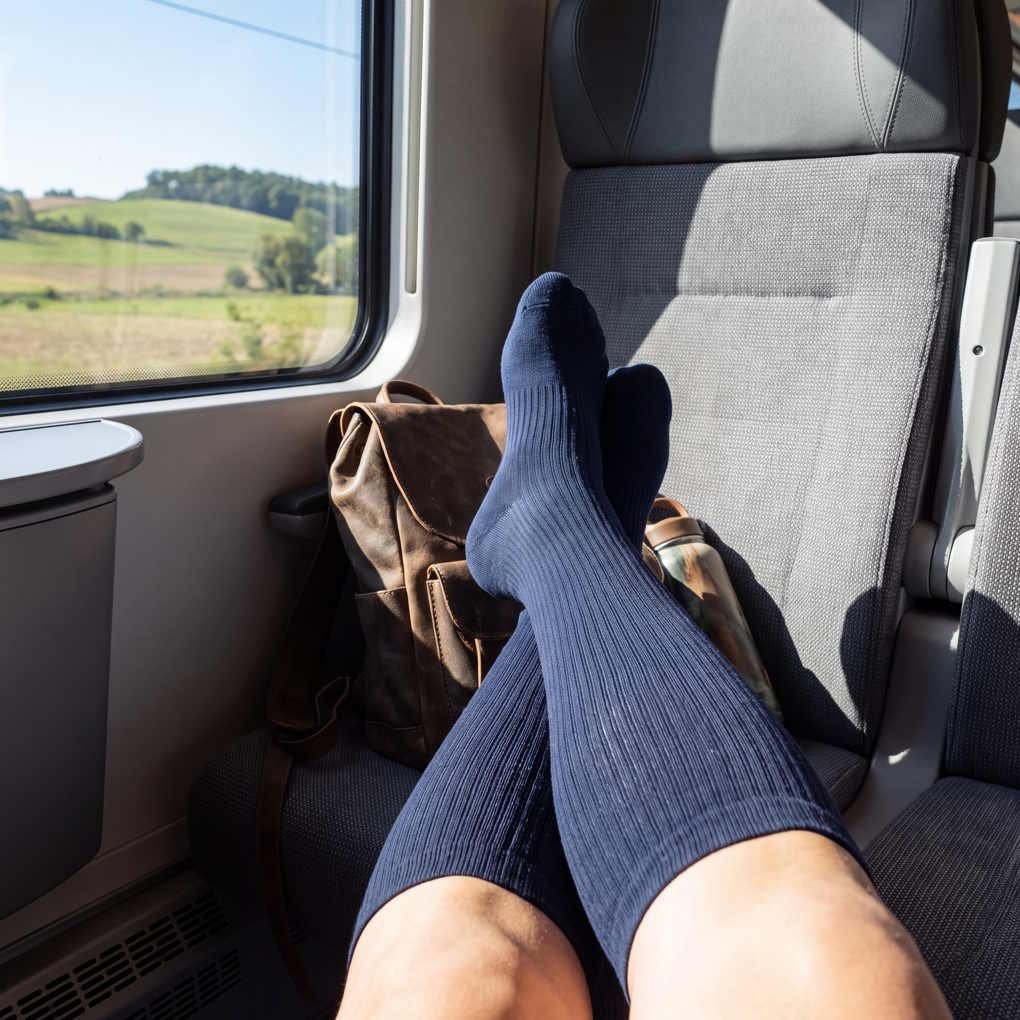
People wear these supportive garments for a wide variety of practical and medical reasons.
Reducing Leg and Ankle Swelling
Fluid buildup in the lower legs is incredibly common. It often happens after long periods of standing or sitting. Compression gently forces that fluid back into circulation, effectively reducing swelling.
Supporting Blood Circulation
Gravity naturally pulls blood downward. Compression socks counter this by helping blood move upward through the legs. This makes them ideal for supporting people whose jobs require prolonged sitting or standing.
Helping With Tired or Achy Legs
Do you ever experience heavy-feeling legs at the end of the day? Leg fatigue after work or travel is a common complaint. The gentle pressure helps muscles feel fresher and less fatigued.
Supporting Certain Medical Conditions
Healthcare professionals often recommend compression garments for specific health issues. These conditions might include varicose veins, chronic venous insufficiency, or edema. They are also used for recovery after certain procedures and the prevention or management of some blood-clot-related conditions. Remember, medical-grade compression should always be used as prescribed and in accordance with professional advice.
What Are the Benefits of Compression Socks?
Adding these garments to your daily routine can offer several wonderful benefits. They do an excellent job of supporting healthy circulation. They are also highly effective at reducing swelling in the feet and ankles.
On top of that, they help legs feel much less tired or heavy. This provides excellent support for people who stand for long periods. They also improve comfort during long flights or road trips. Furthermore, athletes use them to support recovery after prolonged physical activity. Finally, they help manage symptoms associated with certain vein conditions.
Can Compression Socks Improve Circulation?
Yes, compression socks can improve circulation. External pressure assists venous blood flow by supporting the vein walls and valves. However, the actual benefits depend heavily on the individual and the underlying reason for wearing them.
Who Should Wear Compression Socks?
Many different types of people can benefit from the support of compression garments. Office workers who sit for long periods often find them helpful. Healthcare workers, retail workers, and teachers also love them for long shifts.
Additionally, travelers, runners, and athletes frequently use them for recovery and comfort. People with swollen legs, varicose veins, or who are recovering from certain surgeries often wear them, too. They are even a popular choice for pregnant individuals experiencing leg swelling. However, compression socks are not automatically appropriate for everyone, so check with a doctor if you have health concerns.
What Are Compression Socks Used for During Travel?
Sitting for several hours in cramped spaces may cause swelling and discomfort. When you do not move your legs, blood circulation naturally slows down.
Travelers frequently use compression socks during long flights, bus journeys, train travel, and road trips. The pressure keeps blood moving even when you are seated. However, travelers should still move their legs, walk periodically when possible, and stay appropriately hydrated.
What Are Compression Socks Used for in Sports and Exercise?
Runners and athletes commonly use compression socks to enhance their comfort and recovery. They provide excellent leg support during high-impact movements.
Athletes also report a significantly reduced sensation of muscle fatigue. They provide fantastic post-workout comfort and help in managing swelling. Ultimately, they offer great recovery support. Just remember, compression socks are not a replacement for proper training, recovery, hydration, or medical care.
What Are the Different Types of Compression Socks?
Not all compression garments are created equal. They fall into a few distinct categories.
Graduated Compression Socks
These offer stronger compression around the ankle. They feature gradually decreasing pressure higher on the leg to promote upward blood flow.
Anti-Embolism Stockings
These are typically used in medical settings. They are often intended for patients with limited mobility or those confined to a bed. They should not be confused with everyday compression socks.
Non-Medical Support Socks
These typically provide lighter compression. They are widely available and often used for everyday comfort, travel, or prolonged standing.
Knee-High vs. Thigh-High Compression Socks
You can choose different lengths depending on where support is needed. Knee-highs are great for lower leg swelling. Thigh-highs provide support for the entire leg.
What Do Compression Sock Levels Mean?
Compression is commonly measured in mmHg, which stands for millimeters of mercury.
While exact classifications can vary between manufacturers, there are general compression ranges. Light compression is commonly used for everyday comfort. Moderate compression may provide more support for swelling or prolonged standing. Firm compression is often used for specific medical needs. Finally, higher medical compression usually requires professional guidance.
It is important to emphasize that stronger does not automatically mean better. Always choose the right level for your specific needs.
How Should Compression Socks Fit?
For compression socks to work properly, a good fit is absolutely crucial.
They should feel snug but not painfully tight. They must fit smoothly without bunching up at the ankles. They should stay securely in position all day. You want to avoid styles that roll tightly around the top band. Ultimately, they must fit the foot, ankle, and calf correctly.
This is why measuring your ankle and calf circumference may be necessary before purchasing compression socks. If you experience numbness, significant pain, unusual discoloration, or worsening symptoms, you should remove the socks and seek appropriate medical advice.
How to Put On Compression Socks
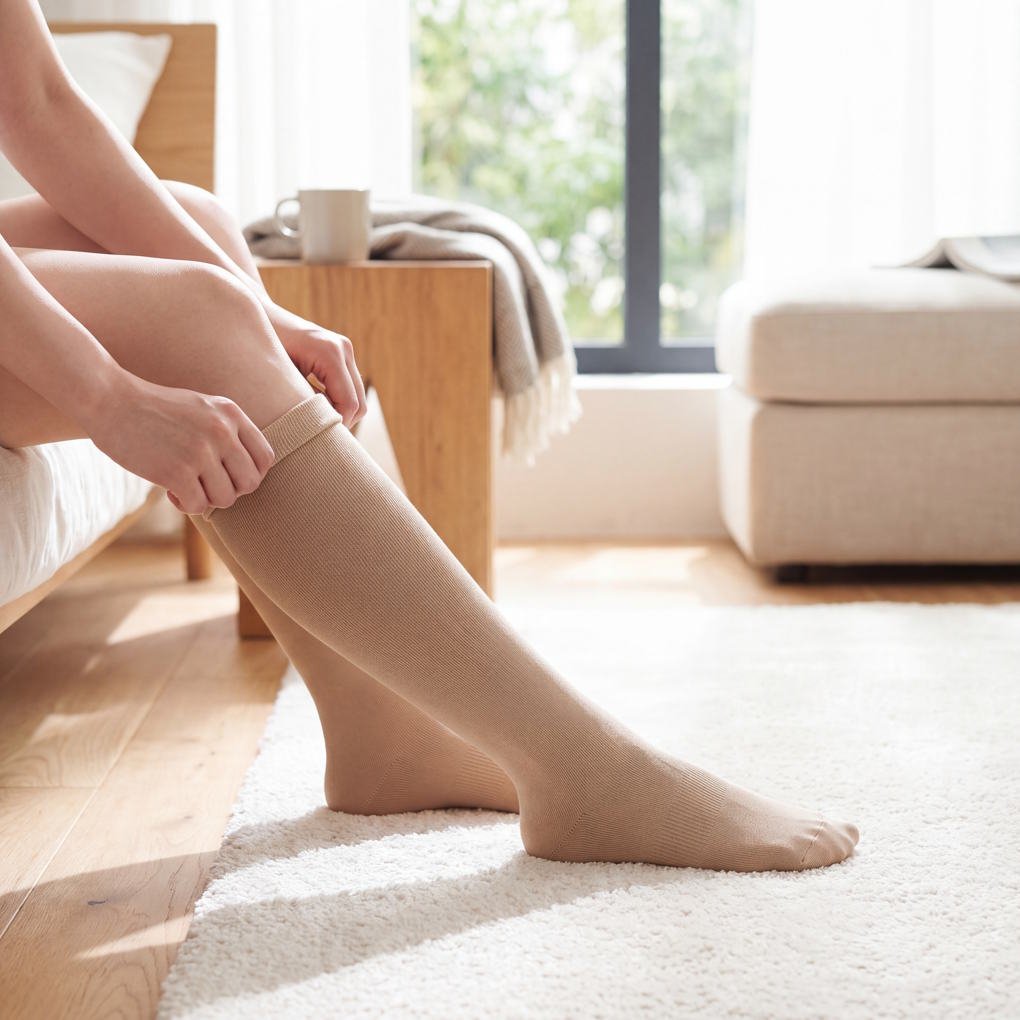
Putting these snug garments on can take a little practice. Here is a simple step-by-step method:
1. Put them on early in the day when swelling is usually lower.
2. Turn the sock partially inside out to the heel.
3. Place your foot securely into the sock.
4. Position the heel correctly in the fabric.
5. Gradually roll or pull the sock upward over your calf.
6. Smooth out any wrinkles in the fabric.
7. Avoid folding or rolling the top band.
If you struggle with hand strength, there are handy compression sock aids available for people who have difficulty putting them on.
How Long Should You Wear Compression Socks?
The ideal wearing time depends on why they are being used. Some people wear them exclusively during their working hours. Travelers may only wear them during long journeys.
Conversely, some medical patients may be given a specific wearing schedule by their doctor. As a general rule, people should not assume they need to wear compression socks to sleep unless specifically advised by a healthcare professional.
Are Compression Socks Safe?
Yes, compression socks are generally well tolerated when properly fitted and appropriate for the wearer.
However, there may be problems with poorly fitting socks. These include skin irritation, excessive tightness, numbness, tingling, pressure marks, and general discomfort.
People with certain circulation problems, peripheral artery disease, significant skin problems, or other medical conditions should speak with a healthcare professional before using stronger compression.
Compression Socks vs. Regular Socks: What’s the Difference?
| Feature | Compression Socks | Regular Socks |
| Leg pressure | Designed to apply graduated compression | Minimal to none |
| Circulation support | Yes, actively pushes blood upward | Not specifically |
| Swelling support | May effectively help reduce fluid | Limited to none |
| Compression rating | Often measured in precise mmHg | Usually none |
| Typical use | Travel, work, sports, medical support | Everyday basic comfort |
How to Choose the Right Compression Socks
Finding your perfect pair comes down to a few essential details. First, consider the required compression strength and sock length. Next, ensure correct sizing by taking accurate measurements.
You must also consider your intended use. Will you use them for running or just sitting at a desk? Look for good breathability, quality material, and overall comfort. Moisture management is also important if you sweat easily. Finally, determine whether medical-grade compression is required for your situation.
Someone purchasing socks simply for travel or standing may have vastly different needs from someone prescribed compression for a medical condition.
Frequently Asked Questions About Compression Socks
What Do Compression Socks Actually Do?
They apply controlled, graduated pressure to your lower legs. This action supports healthy blood circulation and helps limit uncomfortable swelling.
Can You Wear Compression Socks Every Day?
Yes. Many people can safely wear appropriately fitted compression socks daily, depending on their individual needs and overall health circumstances.
Are Compression Socks Supposed To Feel Tight?
Yes, they should definitely feel snug. However, they should never cause significant pain, numbness, or circulation problems.
Can You Sleep In Compression Socks?
This entirely depends on your reason for wearing them and your specific medical recommendations. Most people only wear them while awake.
Do Compression Socks Help Swollen Feet?
They may help manage swelling associated with fluid accumulation and prolonged sitting or standing, depending on the underlying cause.
Do Compression Socks Help With Varicose Veins?
They can help manage uncomfortable symptoms such as aching and swelling for some people, although they do not necessarily eliminate the veins themselves.
Can Healthy People Wear Compression Socks?
Yes, absolutely. Some perfectly healthy individuals use lighter compression socks for travel, work, exercise, or prolonged standing.
What Are Compression Socks and Are They Right for You?
So, what are compression socks? They are simply specialized garments that use controlled pressure to support circulation and reduce swelling. They have incredibly common uses for work, travel, exercise, and specific medical situations.
If you decide to try them, we highly encourage you to select the correct size and compression level. A proper fit makes all the difference in comfort. Lastly, we always recommend consulting a healthcare professional when considering compression socks for a medical condition, or when significant leg swelling, pain, or circulation problems are present.
One Reply to “What Are Compression Socks?”