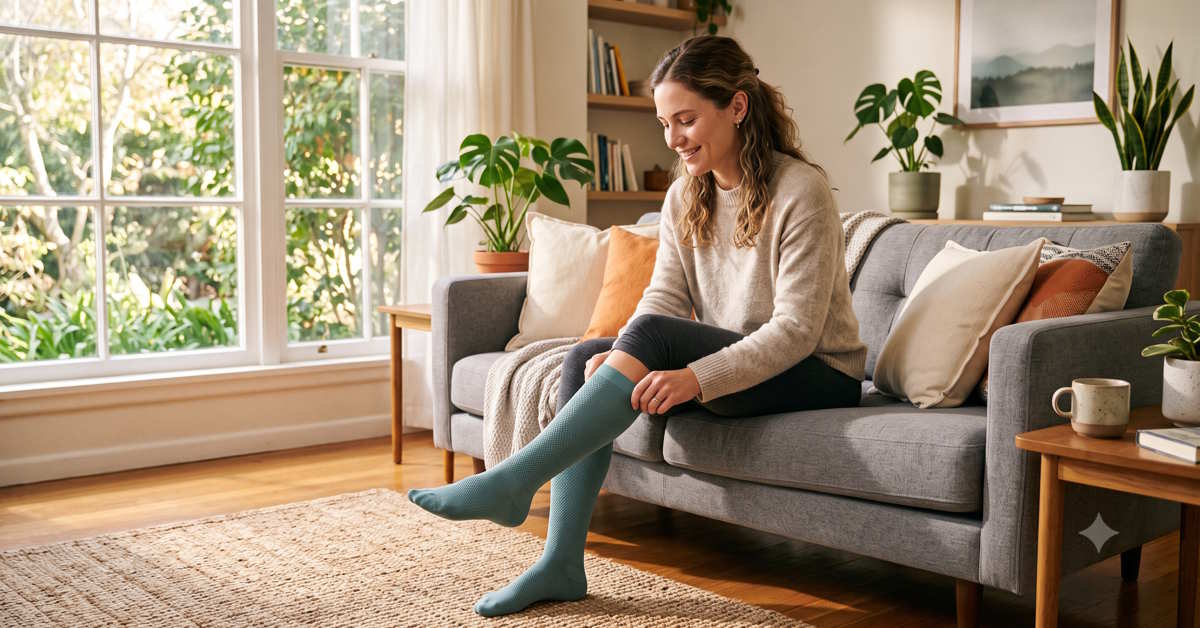
Have you ever noticed your legs feeling heavy, tired, or tight after a long day? Compression socks are specially designed garments that apply controlled, gentle pressure to your lower legs. They are incredibly popular for travel, long work shifts, exercise, and pregnancy. Many people also use them as part of a treatment plan for specific circulation-related conditions. Understanding the true benefits of compression socks can help you decide if they are right for your daily routine.
In this guide, we will explore what compression socks do, their possible health benefits, and who may benefit from wearing them. We will also cover how to choose the right compression level and when these garments might not be appropriate. While compression socks can greatly support healthy circulation and manage daily symptoms, they are not a cure-all for every vein or circulation problem.
What Do Compression Socks Do?
What do compression socks do? They gently squeeze your feet and lower legs to encourage blood flow upward. This measured pressure helps prevent pooling of blood and fluid in your lower extremities, ultimately supporting healthier circulation and reducing fatigue.
How Graduated Compression Works
Most of these garments use graduated compression. This means the material is tightest around the ankle. The pressure then gradually decreases as it moves higher up the leg. This specific design acts as an external support system, helping to push blood from the lower legs back toward the heart against gravity.
Compression Socks Versus Regular Socks
Regular everyday socks primarily provide warmth and protect your skin from friction with shoes. In contrast, compression socks are designed to apply a specific, measured pressure to your legs. This pressure is carefully measured in millimeters of mercury, which is commonly written as mmHg.
What Are the Main Benefits of Compression Socks?
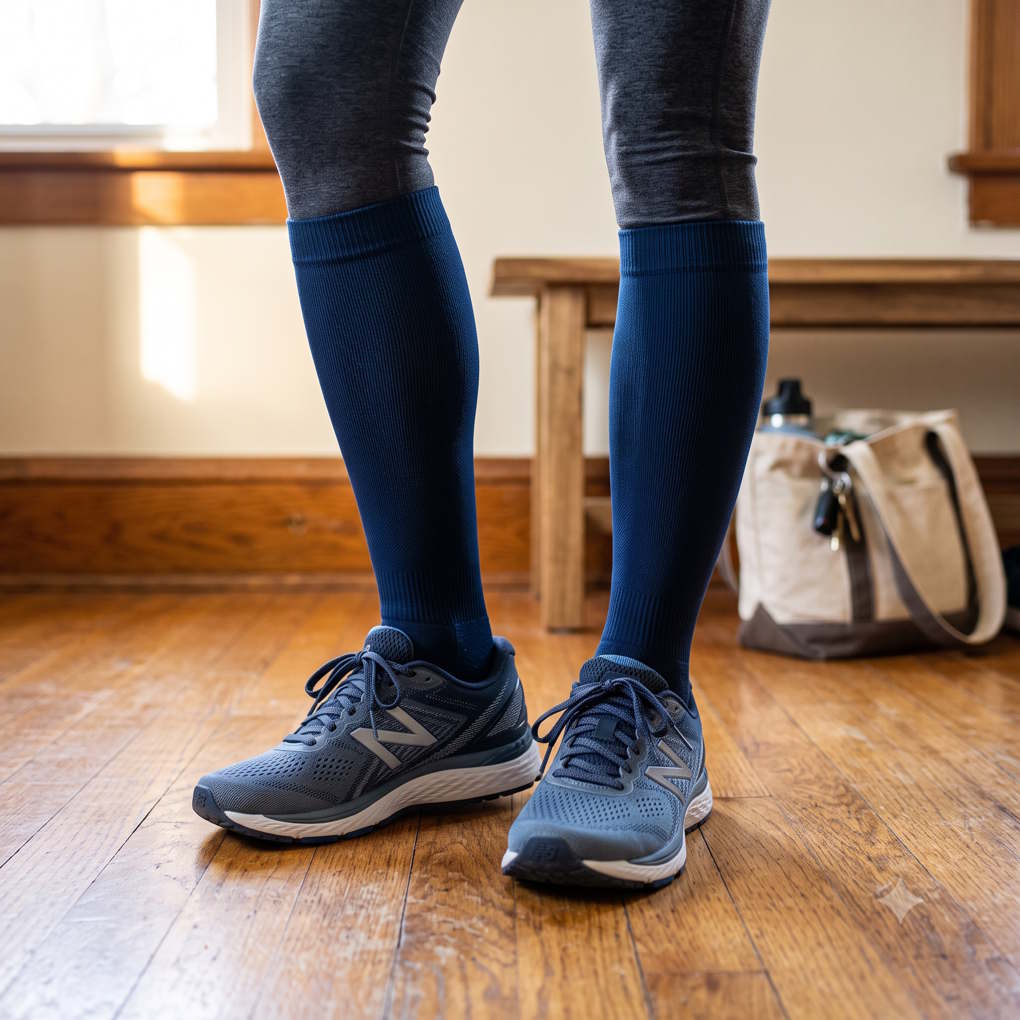
The main benefits of compression socks include supporting healthy blood circulation, reducing leg swelling, and relieving tired, heavy legs. They also help manage symptoms of varicose veins and can lower the risk of blood clots during periods of immobility.
Supporting Healthier Blood Circulation In The Legs
Improving circulation is one of the most common reasons people wear compression socks. They support venous return by helping prevent blood from pooling in your lower legs. This makes them especially useful for anyone who spends extended periods sitting at a desk or standing on their feet.
Help Reduce Swelling in the Feet and Ankles
Fluid often accumulates in the lower legs due to prolonged inactivity, pregnancy, or travel. Certain health conditions and post-surgery recovery can also cause this puffiness. Wearing compression socks for swelling can help move excess fluid away from the lower legs, effectively reducing mild swelling and discomfort.
Relieve Tired, Heavy, or Aching Legs
If you stand for the entire day, you are likely to experience leg fatigue. Your legs might feel heavy, achy, or generally uncomfortable by the evening. Compression socks may reduce these symptoms. By supporting your veins and limiting fluid buildup, they keep your legs feeling fresher.
Help Manage Symptoms of Varicose Veins
It is important to note that compression socks cannot permanently remove existing varicose veins. However, they are excellent at managing the daily discomforts. They may help reduce swelling, aching, itching, and heaviness commonly associated with venous insufficiency.
Support The Prevention and Management of Venous Leg Ulcers
Medical compression is frequently used as a key part of a treatment plan for venous leg ulcers. Research also suggests that wearing compression garments may help reduce the chance of these ulcers returning. However, stronger compression levels can sometimes be harder for people to wear consistently.
Reduce Blood-Clot Risk in Certain Medical Situations
After surgery or hospitalization, patients are often less mobile. In these cases, doctors may recommend anti-embolism stockings to keep blood moving. While they greatly support circulation, they do not guarantee complete protection against blood clots.
Potentially Support Exercise Recovery
Many athletes use compression garments to manage swelling and post-exercise soreness. The gentle squeeze can feel great after a tough workout. However, evidence showing that they directly improve speed, endurance, or overall athletic performance remains mixed.
Who May Benefit from Wearing Compression Socks
People Who Sit for Long Periods
If your job keeps you desk-bound, your circulation can easily slow down. Office workers, drivers, students, and frequent flyers taking long flights often find great relief from wearing mild compression.
People Who Stand Throughout The Day
Standing all day puts extra pressure on your leg veins. Workers in healthcare, retail, hospitality, manufacturing, and education can heavily benefit from the added leg support these garments provide.
Pregnant Individuals
Pregnancy naturally increases blood volume and puts pressure on the pelvic veins. This often contributes to leg swelling and discomfort in the veins. However, always speak with a healthcare professional before selecting medical-grade compression during pregnancy.
People With Diagnosed Vein Conditions
People dealing with varicose veins or chronic venous insufficiency usually require compression. Those with recurring leg swelling or a history of venous ulcers also rely on them for daily symptom management.
Patients Recovering From Surgery
Post-surgery recovery often involves long periods of bed rest. In these situations, the specific type, strength, and duration of the compression should always be determined by your treating healthcare professional.
Types Of Compression Socks
Graduated Compression Socks
These are the most common types for everyday and medical use. They exert the greatest pressure at the ankle and gradually reduce it farther up the leg.
Anti-Embolism Stockings
These specific stockings are generally used for people with very limited mobility. You will often see them used in hospitals for bedridden patients or during early surgical recovery.
Non-Medical Support Socks
These are lighter compression products widely available over the counter. They are commonly used for travel, work, and general everyday comfort to keep legs feeling energized.
Knee-High, Thigh-High, and Waist-High Options
Compression garments come in various lengths to suit different needs. The ideal length for you depends entirely on where your symptoms occur and why you are using the garment.
Understanding Compression Levels
Compression strength is measured in mmHg. It is helpful to know that product categories and labels can vary slightly between brands and healthcare systems.
- Light Compression: Usually ranges under 15 mmHg. It is often marketed for everyday comfort, travel, or mild leg fatigue.
- Moderate Compression: Typically, 15–20 mmHg. This level may be used for more noticeable swelling or mild vein-related symptoms.
- Firm Or Medical-Grade Compression: Usually 20–30 mmHg. This should generally be selected with professional guidance.
- Extra-Firm Compression: Over 30 mmHg. This is generally reserved for specific medical conditions and requires a doctor’s prescription.
Always remember, you should not choose strong medical compression based solely on an online article. Consult a doctor for proper guidance.
How To Choose the Right Compression Socks
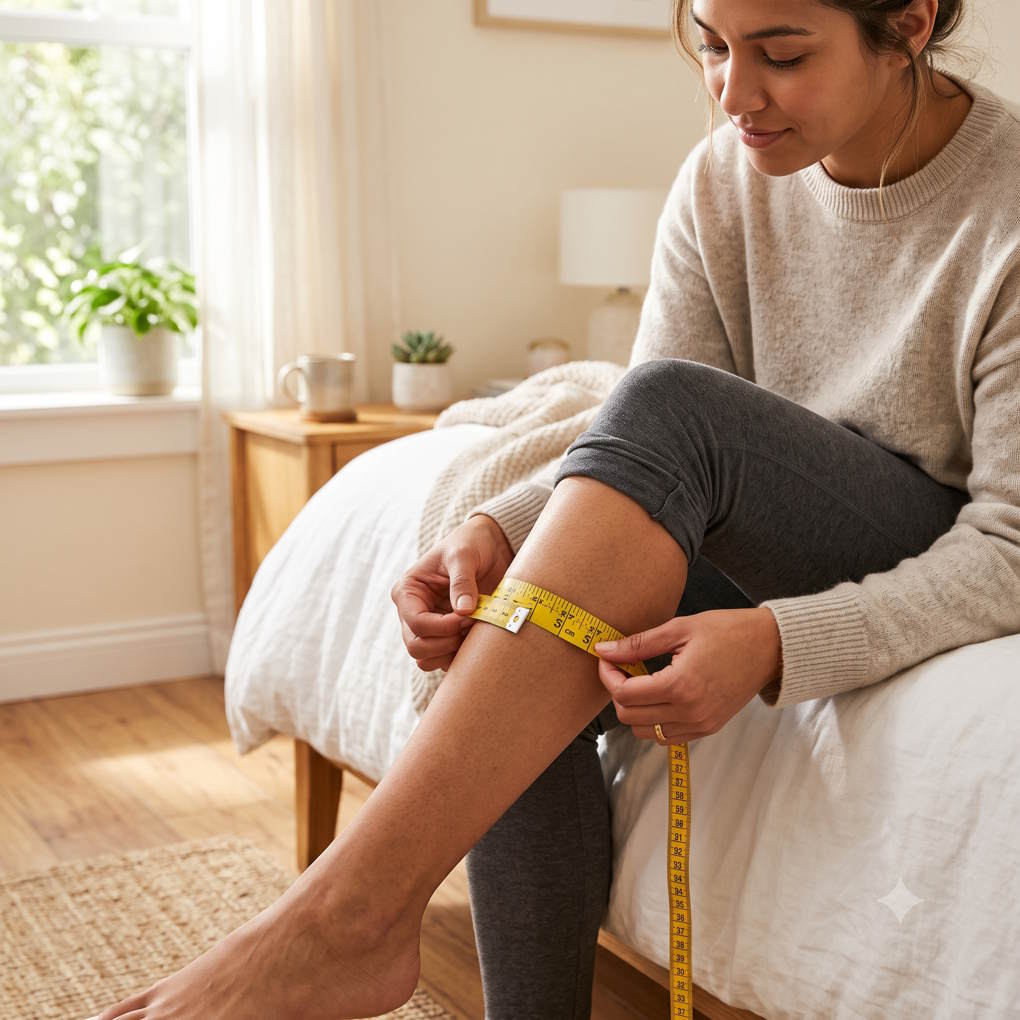
Measure the Legs Correctly
Proper fit is absolutely crucial. You may need ankle and calf measurements for knee-high socks. For longer stockings, thigh and overall leg-length measurements are required. Always measure early in the day before significant swelling develops.
Choose the Correct Size
Guessing your size can easily backfire. Socks that are too loose may not provide useful compression. On the flip side, socks that are too tight can cause intense discomfort or even skin problems.
Consider the Material
You will be wearing these for hours, so comfort really matters. Look for breathable, moisture-wicking materials. These are especially important for warm weather, physical work, travel, or exercise.
Match the Product to Its Purpose
Differentiate between the available options. Ensure you buy the right style for everyday comfort, sports, travel, pregnancy, or medical treatment.
How Long Should You Wear Compression Socks?
How long should you wear compression socks? The appropriate duration depends entirely on your reason for wearing them. While everyday users typically wear them from morning until night, surgical patients should follow their doctor’s strict schedule.
Many people choose to put them on first thing in the morning. Doing this before any daily swelling develops provides the best results. They are commonly removed before sleeping, as you should not wear them overnight unless a healthcare professional specifically instructs you to do so.
Travelers may only wear them for extended periods of sitting, such as on a long flight. Meanwhile, workers might wear them throughout entire shifts that involve prolonged sitting or standing. Post-surgery patients must follow their clinician’s instructions exactly. Because medical needs and compression strengths differ, there is no single universal rule for everyone.
How to Wear Compression Socks Properly
Putting them on can be tricky, but a simple routine helps. Follow these easy steps:
• Make sure your legs are completely clean and dry.
• Turn the sock partly inside out, reaching down to the heel.
• Place your foot firmly into the sock and position the heel correctly.
• Gradually roll or gently pull the material up your leg.
• Smooth out any wrinkles carefully without folding or rolling the top band.
• Check your toes and skin for any unusual color changes, numbness, or pain.
If you have limited hand strength, stocking aids or simple rubber gloves can make this process much easier.
Can Compression Socks Cause Side Effects?
Properly fitted compression socks are generally well tolerated by most people. However, incorrect sizing or excessive compression may lead to unwanted issues. Potential side effects include skin irritation, itching, or redness. You might also notice pressure marks, numbness, or tingling in your toes.
Sometimes, they can cause increased pain or bunching, creating concentrated, uncomfortable pressure. In highly vulnerable individuals, severe skin damage can actually occur. Compression may not be suitable for everyone without a medical evaluation.
This is especially true for people with reduced arterial blood supply, severe nerve damage, fragile skin, or active skin infections. Those with certain heart and vascular conditions should also be cautious. Incorrectly fitted stockings can cause excessive pressure and actual skin injury. If you experience persistent pain, numbness, cold feet, skin discoloration, or worsening symptoms, advise readers to remove the socks and seek professional advice immediately.
Frequently Asked Questions About Compression Socks
Can You Wear Compression Socks Every Day?
Many people can safely wear properly fitted compression socks daily. However, daily use for medical reasons should always follow professional advice.
Is It Okay To Sleep In Compression Socks?
Most everyday users should remove them before going to sleep. You should only wear them overnight if a healthcare professional has specifically recommended it for your ongoing treatment.
Do Compression Socks Help with Swollen Feet?
They may help reduce certain types of mild, gravity-related swelling. However, unexplained, severe, sudden, or one-sided swelling requires immediate medical evaluation.
Can Healthy People Wear Compression Socks?
Yes, healthy people may use light compression garments. They are great for travel, prolonged standing, or general everyday comfort, provided the socks fit properly.
Do Compression Socks Eliminate Varicose Veins?
They do not permanently remove damaged or enlarged veins. They simply help reduce the daily symptoms and discomfort associated with them.
How Tight Should Compression Socks Feel?
They should feel delightfully snug and supportive. They should never cause pain, tingling, numbness, coldness, or any significant changes in skin color.
Benefits of Compression Socks
To summarize, the benefits of compression socks are vast and varied. They support healthy blood flow in the lower legs, help reduce mild swelling, and relieve tired or heavy legs. They also help manage certain vein-related symptoms and support clot-prevention strategies in appropriate medical situations.
Always prioritize proper sizing and selecting the correct compression strength. If you have persistent swelling, circulation concerns, diabetes-related complications, or diagnosed vascular conditions, do not guess. Please consult a qualified healthcare professional before using any medical-grade compression socks.