
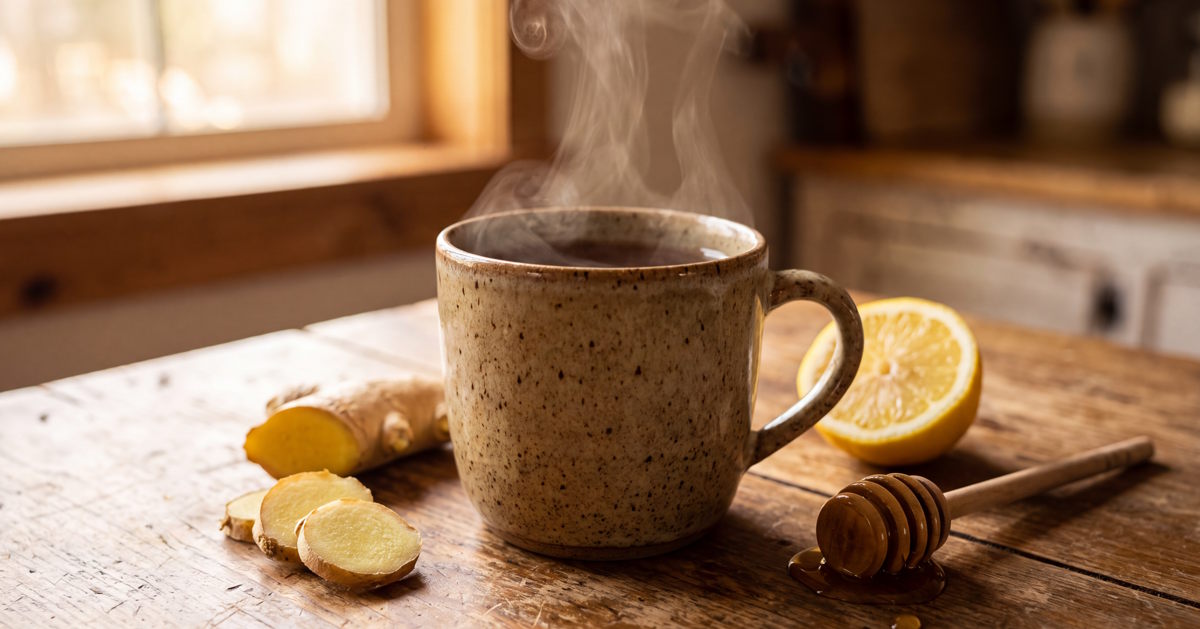
There is something incredibly soothing about wrapping your hands around a warm mug. When that mug holds a freshly brewed herbal infusion, the benefits of ginger tea go far beyond simple comfort. This warm, naturally caffeine-free drink is made by steeping fresh or dried ginger root in hot water.
For centuries, people have turned to this traditional remedy for digestive discomfort, occasional nausea, and general wellness during the cold season. That is because ginger contains powerful active compounds, primarily gingerols and shogaols. These plant chemicals give the root its signature spicy kick.
In this guide, we will explore everything you need to know about this popular beverage. We will look at its potential benefits for digestion, inflammation, sleep, and kidney health. However, keep in mind that effects can vary widely depending on how much ginger you use and your unique health profile.
What Is Ginger Tea
At its core, ginger tea is just water infused with ginger root. It is entirely different from concentrated ginger supplements or potent liquid extracts. It also differs greatly from ginger ale or sweetened bottled ginger drinks, which often contain more sugar than actual spices.
A basic homemade recipe uses very simple ingredients. You only need fresh ginger root or dried ginger pieces and hot water. Many people also love adding a squeeze of lemon, a drizzle of honey, or a dash of cinnamon for extra flavor.
When you make it at home, the drink is naturally caffeine-free unless you blend it with black or green tea leaves. It is important to note that the concentration of active compounds in a homemade cup will be lower. It is also less predictable than what you would find in standardized, manufactured supplements.
Benefits of Drinking Ginger Tea

If you are curious about what this spicy brew can do for your body, you are not alone. Let us break down the most commonly reported potential benefits.
May Help Relieve Nausea
Ginger is widely recognized for its potential to calm a queasy stomach. Researchers have studied it for pregnancy-related morning sickness, travel-induced motion sickness, and even postoperative nausea. In fact, research suggests ginger products may reduce the severity of some types of nausea.
However, the evidence is not equally strong for every single cause of an upset stomach. Findings can vary depending on the specific condition, the dose, and how the ginger is prepared. Therefore, you should never assume ginger tea will completely stop vomiting or replace prescribed medical treatments.
May Support Comfortable Digestion
Many people find that a warm ginger drink feels wonderfully soothing right after a heavy meal. Scientists have studied ginger for its potential effects on gastric emptying and overall gastrointestinal motility. A small human study found that ginger accelerated gastric emptying and stimulated gastric contractions.
This makes it a popular choice for occasional fullness, bloating, or mild digestive discomfort. Still, this does not prove that a simple cup of tea treats serious digestive disorders. Persistent stomach symptoms always require a proper medical evaluation.
Provides a Caffeine-Free Beverage Option
Sometimes, you just need a break from coffee or energy drinks. Ginger tea provides a flavorful, warming alternative that will not keep you awake at night. Furthermore, it easily supports your daily fluid intake when consumed without excessive amounts of sugar.
Health Benefits of Ginger Tea
Beyond settling your stomach, the broader health benefits of ginger tea often stem from its complex plant chemistry.
May Provide Antioxidant Compounds
Every day, our bodies face oxidative stress, which happens when unstable molecules cause cellular damage. Thankfully, ginger contains important protective compounds, including gingerol, shogaol, paradol, and zingerone. Laboratory and clinical research suggest these compounds possess notable antioxidant activity.
Drinking a warm cup can be a great addition to your routine. However, it should complement—not replace—a varied diet rich in colorful fruits and vegetables.
May Support the Body’s Inflammatory Response
Inflammation is a natural healing process, but long-term inflammation can cause health issues. Some studies suggest ginger may positively influence the body’s inflammatory pathways. Even so, it is vital to remember that ginger tea cannot cure chronic inflammatory diseases.
May Offer Mild Comfort During Colds
When you are feeling under the weather, warm liquids can gently soothe a scratchy throat and provide much-needed hydration. You can add a little honey for taste and extra comfort. Just remember that honey should never be given to children under one year old. Ultimately, ginger tea does not eliminate viruses, nor does it replace appropriate medical care.
May Support General Digestive Wellness
Because ginger may influence stomach movement and ease mild nausea, it can naturally support overall digestive wellness. These gentle benefits are often most noticeable after heavy meals. You might also appreciate them during times of mild, occasional digestive discomfort.
Benefits of Drinking Ginger Tea Daily
Establishing a daily routine with this herbal drink can offer several advantages. The benefits of drinking ginger tea daily include building a solid caffeine-free hydration habit. It also helps reduce your reliance on heavily sweetened sodas or juices.
Sipping it regularly provides your body with small, consistent amounts of beneficial ginger plant compounds. It is a wonderful way to support digestion after meals while offering a warming, relaxing daily ritual. Making it a habit makes it much easier to consume ginger regularly.
Yet, more is not always better. Daily intake does not guarantee greater or faster benefits. In fact, brewing your tea too strongly may cause heartburn, stomach discomfort, diarrhea, or mouth irritation. Additionally, adding honey or sugar every day can significantly increase your calorie intake, and people on medication should always watch for potential interactions.
Benefits of Ginger Tea Every Day: What Changes Can You Expect
If you start drinking it daily, you might wonder what will actually happen to your body. Some people may experience noticeably less occasional nausea or post-meal discomfort. Conversely, others may not notice any significant physical changes at all.
Your individual benefits will heavily depend on your serving size, the strength of the tea, and your overall diet. Pre-existing health conditions and current medications also play a major role. Keep in mind that most clinical research evaluates specific, high doses of ginger powder, extracts, or concentrated supplements.
You cannot automatically apply results from concentrated products to a mild, homemade cup of tea. It is best to view this as a healthy habit rather than expecting dramatic or immediate medical results.
Is Ginger Tea Anti-Inflammatory
Yes, ginger contains active compounds with demonstrated anti-inflammatory activity, but ginger tea should not be considered an anti-inflammatory medicine. The gingerols and shogaols in the root may interact with biological pathways that trigger inflammation in the body.
Several clinical studies actually suggest that ginger supplementation may improve some inflammatory markers. However, the results across these studies are frequently mixed or highly variable. Furthermore, the concentration of these compounds in a simple cup of tea depends on your preparation time, water temperature, and the quantity of ginger used.
Fresh ginger and dried ginger also release different amounts of these chemicals. Because of this variability, people living with arthritis or other inflammatory conditions must continue their prescribed medical treatments rather than relying solely on tea.
Does Ginger Tea Have Antioxidants
Absolutely. Ginger naturally contains several compounds associated with powerful antioxidant activity. Antioxidants are essentially protective substances that help shield your cells from damage caused by unstable molecules called free radicals.
The key compounds responsible for this include gingerols, shogaols, zingerone, and paradols. Keep in mind that the way you process and brew the root can affect the concentration of these beneficial chemicals. For instance, dried ginger and fresh ginger possess slightly different chemical profiles.
Despite these benefits, you should avoid viewing ginger tea as a magical “detox” drink. Your liver and kidneys already do an excellent job of managing the body’s waste-removal processes. Instead, enjoy your brew as part of a balanced dietary pattern rather than relying on it as your only source of antioxidants.
Is Ginger Tea Good for Sleep
Because it is naturally caffeine-free when prepared only with ginger and water, this warm drink is a great evening choice. A soothing, hot beverage can easily become a comforting part of your nightly calming routine. If it relieves feelings of fullness or mild stomach discomfort, that relief could, in turn, make it much easier for you to relax.
However, there is no strong clinical evidence showing that ginger tea directly treats insomnia or measurably improves sleep quality. You must also be careful with packaged tea blends. Always check the labels to ensure they do not contain black tea, green tea, or other hidden sources of caffeine.
Finally, drinking a large amount of any liquid immediately before bed may lead to frustrating nighttime bathroom trips. It can also worsen acid reflux in susceptible individuals when they lie down. Try drinking it one or two hours before bedtime for the best results.
Is Ginger Tea Good for Kidneys
Is ginger tea good for the kidneys? The short answer is that it may be perfectly suitable for many people with healthy kidneys. It provides a tasty way to increase your daily fluid intake. Using ginger for robust flavor may also help you reduce your reliance on excessive salt when cooking meals.
Nevertheless, it has never been scientifically proven to cleanse, repair, or detoxify the kidneys. Kidney health needs differ significantly from one person to another. People managing chronic kidney disease (CKD) often have strict dietary restrictions involving daily fluids, potassium levels, and specific herbs.
There can also be unexpected interactions with prescribed kidney medications. Concentrated ginger supplements are certainly not equivalent to ordinary culinary use or a mild tea. If you have kidney disease, are on dialysis, have a kidney transplant, or follow prescribed fluid restrictions, you must consult your nephrologist or renal dietitian before adding it to your routine. Never trust claims that a simple tea can prevent kidney stones or reverse kidney damage without reliable clinical evidence.
How to Make Ginger Tea at Home
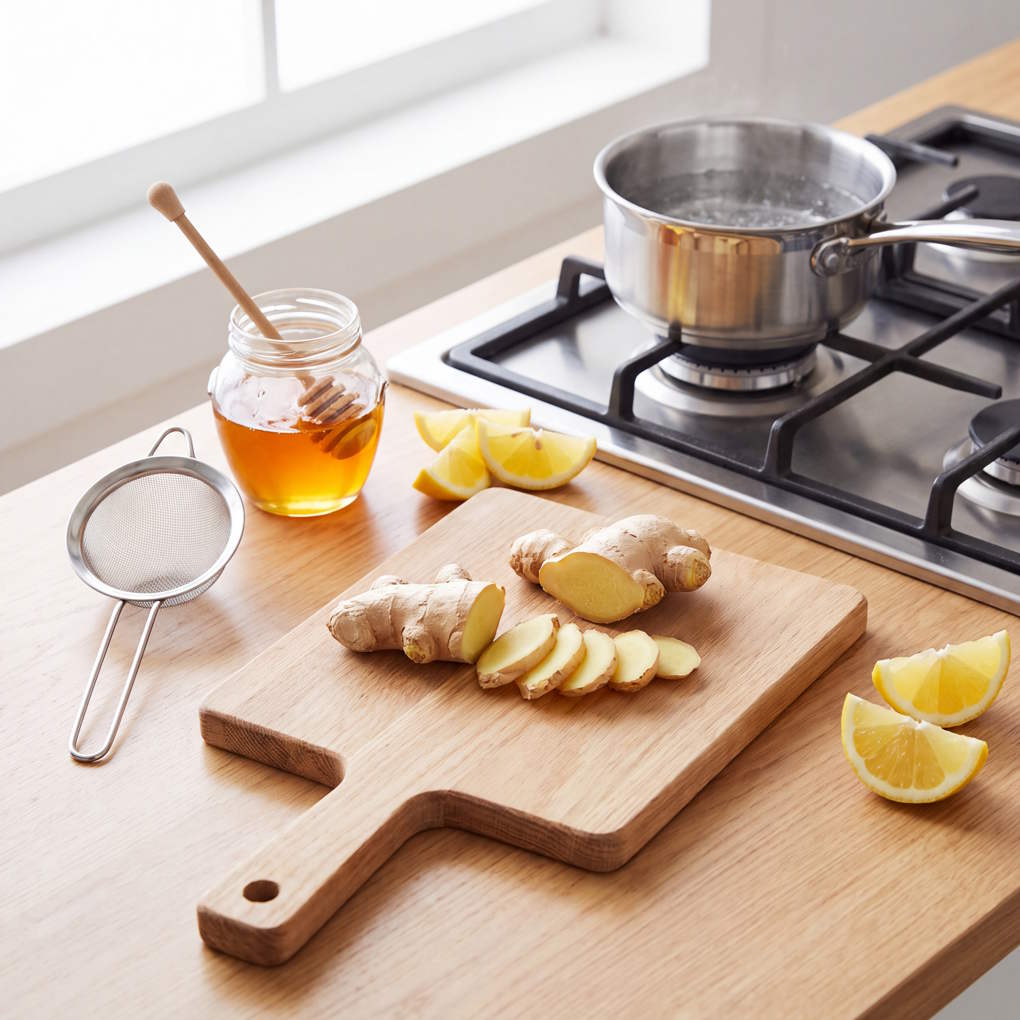
Brewing your own batch at home is incredibly easy and rewarding. Just follow this simple method:
First, wash and thinly slice approximately one to two inches of fresh ginger root. Next, add the slices to two cups of fresh water in a small saucepan. Bring the water to a gentle boil, then immediately reduce the heat. Let the mixture simmer quietly for 5 to 10 minutes.
Once finished, carefully strain the tea into your favorite cup. You can add a squeeze of fresh lemon or a small amount of honey if desired.
For a milder drink, simply use less ginger. If you prefer a bolder, spicier flavor, let it simmer a bit longer. Try to avoid using excessive sweeteners. If you are not accustomed to ginger, start with a small serving. Always refrigerate any leftover tea promptly and consume it within a reasonable period.
When Is the Best Time to Drink Ginger Tea
There is no single perfect time to enjoy it; it depends entirely on your needs. In the morning, it is a wonderful, warm, caffeine-free beverage to start your day. After eating, it works beautifully to ease occasional fullness or mild digestive discomfort.
If you are prone to mild motion-related nausea, try sipping it right before traveling. In the evening, it fits perfectly into a relaxing wind-down routine. Naturally, it is also fantastic during cold weather for instant warmth and hydration.
However, if you struggle with acid reflux, you might tolerate the tea much better earlier in the day or immediately after food, rather than right before lying down to sleep.
How Much Ginger Tea Can You Drink a Day
There is no universal daily amount appropriate for everyone. It is usually best to begin with one mild cup and observe how your body tolerates it. Since homemade tea varies considerably in strength, finding your personal limit takes a little experimentation.
You should generally avoid making highly concentrated preparations. Also, do not replace most of your daily water intake with this herbal brew. If you experience any heartburn, diarrhea, stomach irritation, or discomfort in your mouth and throat, you should reduce your consumption immediately. Remember to always distinguish between food-level ginger consumption and high-dose supplement use.
Side Effects and Precautions
While generally safe for most people, it is important to be aware of potential side effects. Consuming too much ginger can occasionally lead to heartburn, general stomach discomfort, gas, or loose stools. Some people even experience mild mouth or throat irritation from the spice.
Medication interactions are another critical factor. You should definitely speak with a healthcare professional before consuming large amounts if you take blood-thinning medications, diabetes drugs, or blood-pressure medication. This rule also applies if you take multiple prescription medicines daily.
Certain groups should be especially cautious. People with gallstones, individuals preparing for surgery, and those who are pregnant or breastfeeding need professional guidance. Additionally, people with chronic kidney disease, kidney-transplant recipients, and those with severe acid reflux should consult a doctor. Finally, anyone with a known ginger allergy should avoid the tea entirely.
Frequently Asked Questions About Ginger Tea Benefits
Can I Drink Ginger Tea on an Empty Stomach?
Some people tolerate it perfectly well on an empty stomach, while others quickly experience heartburn or mild irritation. Starting with a mild cup after food may be much tastier for beginners.
Is Fresh or Dried Ginger Better for Tea?
Both are excellent choices. Fresh ginger usually provides a lighter, brighter, and fresher taste. Conversely, dried ginger often produces a much stronger, spicier, and more concentrated flavor profile.
Does Boiling Ginger Destroy Its Benefits?
No, boiling does not destroy everything. Heating simply changes some of the chemical compounds rather than removing all of them. It converts gingerol into shogaol, which is actually responsible for its pungent taste.
Is Ginger Tea Good When You Have a Cold?
It may provide wonderful warmth, vital hydration, and soothing comfort for the throat. However, it does not actually cure a viral cold.
Can Ginger Tea Help with Weight Loss?
It is certainly not a standalone weight-loss solution. However, unsweetened ginger tea can be highly useful when it replaces higher-calorie, sugary drinks in your daily diet.
Can Children Drink Ginger Tea?
We recommend using only a very mild amount for older children. Always consult a pediatric healthcare professional when the child is very young, has a medical condition, or takes medication. Never give honey to infants under one year.
Is Bottled Ginger Tea as Healthy as Homemade Ginger Tea?
Usually, no. You should always compare labels for added sugar, realistic serving sizes, hidden caffeine, and the actual ginger content. Homemade is almost always the cleaner option.
Should You Add Ginger Tea to Your Routine
Ultimately, ginger tea is a flavorful, wonderfully comforting, and usually caffeine-free drink. It boasts exciting potential for digestive support, as well as antioxidant and anti-inflammatory properties. While scientific evidence is certainly most convincing for certain nausea-related uses, its gentle, warming nature makes it a great daily choice.
Just remember that moderate consumption is key. Ginger tea supports your health, but it does not replace a nutritious diet, prescribed medications, or professional healthcare advice. If you are ready to enjoy the benefits of ginger tea, simply start with a mild, unsweetened cup and adjust the strength to your individual tolerance.