

Slipping into a pair of snug athletic shorts before a workout often sparks one surprisingly common question: do you wear underwear with compression shorts? You see runners, lifters, and weekend athletes wearing this sleek gear everywhere. Yet almost everyone pauses in the locker room wondering what goes underneath. The short answer is simple. Most compression shorts designed as base layers do not require underwear. However, styles made to be worn alone as outerwear sometimes benefit from an extra layer for coverage or personal comfort. Below, we break down how fit, hygiene, sweat control, and your specific workout shape the smartest choice for your body.
Do You Wear Underwear With Compression Shorts?
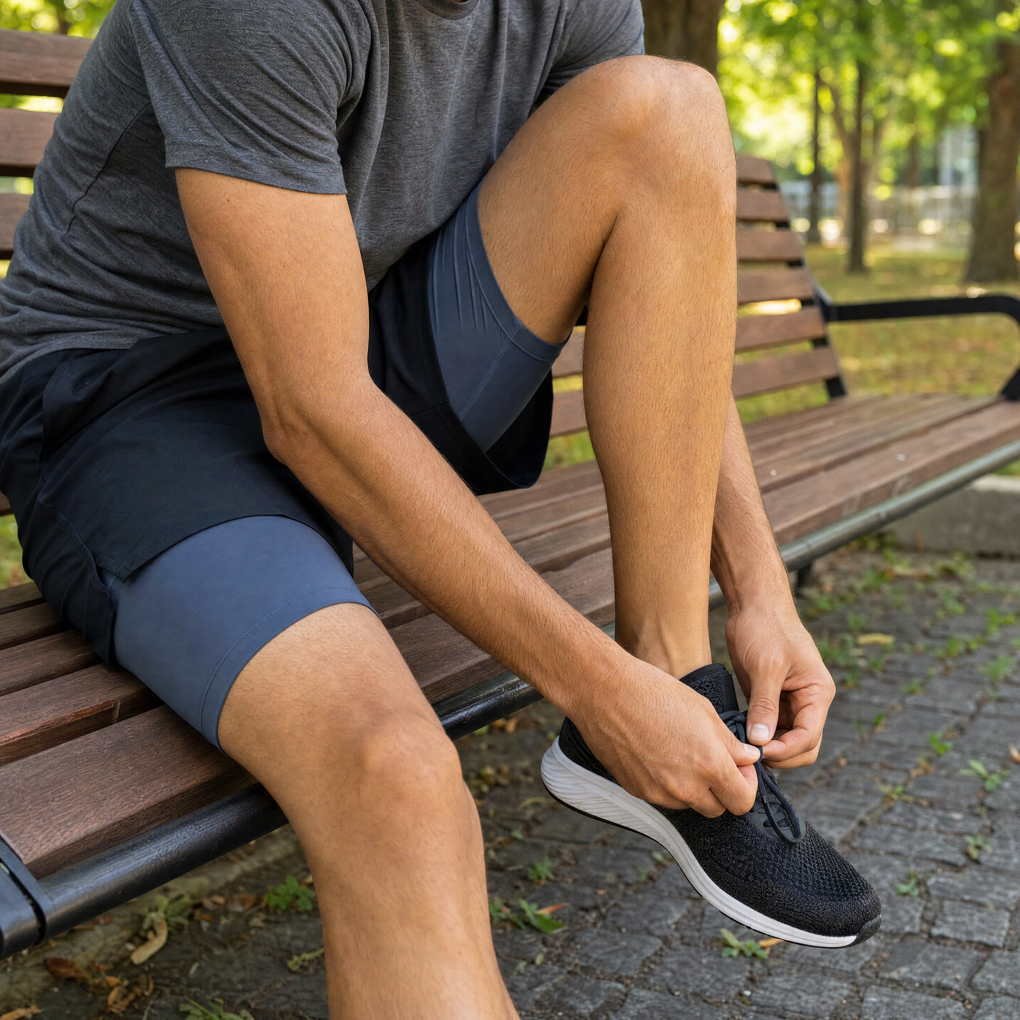
In most cases, you do not need underwear beneath compression shorts built as an athletic base layer. Manufacturers engineer these garments to sit directly against your skin, using smooth, moisture-wicking fabrics and supportive stitching that replace traditional briefs. Wearing underwear is not wrong, though, especially when wearing thicker outerwear compression shorts that lack built-in support.
Think of compression gear in two distinct categories. First, there is compression underwear—lightweight, stretchy shorts meant to sit under loose gym shorts or team uniforms. Second, there are standalone compression shorts made with thicker, opaque fabric meant to be worn on their own. Knowing which style you own makes the decision much easier.
When You Don’t Need Underwear
- Built-in support panels: Many athletic base-layer shorts feature contoured pouches or gusseted crotches that hold everything securely in place.
- Layering under loose shorts: If you already wear running shorts or basketball shorts over your compression layer, adding underwear creates three separate fabric layers.
- High-friction workouts: Skipping extra undergarments eliminates overlapping waistbands and loose fabric that rub against each other during repetitive strides.
When Wearing Underwear Might Make Sense
- Minimal structural support: Some standalone compression tights or shorts use flat front panels without internal shaping, leaving you wanting extra hold.
- Personal modesty and comfort: If thin fabric feels too revealing in bright gym lighting, a sleek athletic brief adds peace of mind.
- Garment design cues: Certain cold-weather or outerwear compression styles are cut slightly looser in the seat and work well over fitted sports underwear.
Why Do Athletes Wear Compression Shorts Without Underwear?
Athletes typically wear compression shorts without underwear to prevent painful chafing, improve sweat evaporation, and keep their gear from bunching up mid-workout. Removing that extra inner layer lets performance fabrics sit flush against the skin, creating a smooth barrier that moves naturally with your muscles instead of rubbing against them.
Reduced Friction and Chafing
Anyone who has finished a long run with raw, irritated inner thighs knows how miserable chafing feels. Every extra seam, elastic leg band, or folded piece of fabric adds another potential point of friction. When you wear compression shorts directly against your skin, the smooth, stretch fabric absorbs the friction from your thighs rubbing together.
Better Moisture Management
Performance compression gear uses synthetic blends designed to draw sweat away from your skin so it evaporates quickly. However, slipping regular cotton underwear underneath traps moisture right against your body. That damp fabric turns heavy, slows down drying time, and leaves you feeling clammy long after your warm-up ends.
A More Streamlined Fit
Compression shorts are tailored to hug your hips, glutes, and quads like a second skin. Adding underwear underneath interrupts that clean contour. Going without an extra layer keeps the waistband flat against your torso and prevents distracting fabric bunching when you sprint, jump, or stretch.
What Happens If You Wear Underwear Under Compression Shorts?
Wearing underwear under compression shorts can cause fabric bunching, trapped sweat, and uncomfortable pressure lines if you choose loose or cotton styles. On the other hand, pairing snug, moisture-wicking athletic briefs with compression shorts for outerwear can provide welcome modesty and extra support without compromising your comfort.
Potential Discomfort and Bunching
Traditional boxer shorts or loose briefs simply cannot stay flat beneath tight compression fabric. As soon as you start moving, the inner leg openings roll up toward your groin. You end up tugging at your shorts between sets, and thick overlapping seams can press painfully into your skin.
Additional Heat and Sweat Retention
Two layers of fabric naturally hold more body heat than one. During an intense spin class or humid outdoor run, that extra insulation makes your lower body sweat even faster. Unless both layers use breathable synthetic fibers, sweat can get trapped between the garments, increasing skin irritation.
Possible Benefits of Extra Coverage
Still, plenty of people feel more confident with an extra layer of protection—and that is completely valid. If you wear compression shorts on their own at a busy gym, a seamless, sweat-wicking athletic brief or thong underneath can prevent visible lines while adding subtle coverage.
Should You Wear Underwear With Compression Shorts for Different Sports?
Your ideal setup depends heavily on how your body moves during your workout. High-repetition cardio, deep weightlifting squats, and seated cycling each place very different demands on your clothing.
Running and Jogging
Most distance runners skip underwear underneath compression shorts for running. Thousands of repetitive strides can turn even tiny amounts of friction into painful blisters or a thigh rash. Look for running-specific compression shorts with flatlock seams—stitching that lies completely flat against the fabric—and a mid-thigh length that stays put without riding up. Just like choosing breathable, blister-preventing running socks, keeping your base layer smooth and sweat-free makes long miles far more enjoyable.
Gym Workouts and Weightlifting
Strength training involves deep hip hinges, squats, and lunges that stretch fabric to its limit. If you wear compression shorts as an inner layer under gym shorts, going commando keeps your movement unrestricted. However, if you wear standalone compression shorts without anything over them, check how opaque the fabric remains at the bottom of a squat—and wear fitted athletic underwear for extra coverage.
Cycling
It helps to separate standard compression shorts from padded cycling shorts. Padded cycling shorts contain a built-in cushioned liner called a chamois, which protects sensitive pressure points against the bike saddle. Cyclists almost always wear padded shorts without underwear because the inner seams can cause painful saddle sores. Standard compression shorts lack this specialized padding, so they are best reserved for short, casual rides rather than long cycling sessions.
Basketball, Football, and Other Team Sports
In fast-paced court and field sports, players routinely wear compression shorts as a supportive base layer beneath loose team uniforms. Wearing them directly against the skin prevents uniform shorts from chafing during quick lateral cuts and sprints. Athletes who prefer extra support or protective cups simply choose compression styles built with dedicated inner pockets.
How to Choose the Right Compression Shorts to Wear Without Underwear
If you plan to skip underwear, the quality and construction of your shorts matter more than ever. Paying attention to four simple design details ensures your gear feels supportive, breathable, and secure.
Look for Moisture-Wicking and Breathable Fabrics
Check the fabric tag for synthetic performance blends such as polyester, nylon, and elastane (often called spandex). These fibers draw sweat away from your skin and allow air to circulate. Avoid high-cotton blends for intense workouts, since cotton absorbs moisture like a sponge and stays wet.
Check the Fit and Compression Level
Good compression shorts should feel like a firm, reassuring hug—never a tourniquet. They should stay flat against your thighs without rolling at the waist or digging into your skin. If you notice tingling, numbness, pinching, or red grooves after taking them off, size up.
Prioritize Seam Placement and Construction
Turn the shorts inside out before buying or wearing them. Smooth flatlock seams prevent raised ridges from rubbing against sensitive areas. A gusseted crotch—an extra diamond- or triangle-shaped fabric panel sewn between the legs—also gives you better freedom of movement and reduces tension at the center seam.
Consider Coverage and Opacity
When deciding what to wear under compression shorts—or whether to wear them solo—test the fabric opacity in bright natural light. Stretch the material gently over your hand or do a quick mirror squat test at home. Thick, tightly knit fabrics offer reliable coverage on their own, while thinner mesh-like styles work best underneath outer shorts.
Compression Shorts vs. Boxer Briefs: What’s the Difference?
At first glance, compression shorts and athletic boxer briefs look nearly identical. However, they serve different everyday roles. Compression shorts use firmer, denser stretch fabrics engineered to support active muscles and manage heavy sweat during exercise. Boxer briefs prioritize relaxed, all-day comfort for desk work, errands, and light movement, though some modern athletic boxer briefs blur the line between the two.
| Feature | Compression Shorts | Boxer Briefs |
| Fit | Snug, sculpted fit with firmer muscular support | Snug to moderately fitted for relaxed comfort |
| Primary Purpose | Athletic support, friction control, and activewear | Everyday underwear for daily wear |
| Common Materials | Nylon, polyester, and high-elastane blends | Cotton, modal, bamboo, or light synthetic blends |
| Moisture Management | Engineered to wick heavy sweat and dry rapidly | Varies widely; cotton styles retain moisture |
| Typical Use | Running, gym training, cycling, and team sports | Daily routines, lounging, and light walking |
So, can you wear compression shorts as underwear? Yes—as long as they are lightweight base-layer compression shorts designed for direct skin contact, they work wonderfully under everyday athletic clothing or gym shorts.
Tips for Wearing Compression Shorts Comfortably and Hygienically
Learning how to wear compression shorts properly comes down to a few simple hygiene and fit habits that protect both your skin and your gear.
- Pick your true size: Sizing down for extra tightness only restricts your range of motion and causes waistband roll.
- Wash after every sweaty session: Bacteria and body oils thrive in warm synthetic fabrics, so wash your shorts after each workout using gentle detergent and skip fabric softeners, which clog moisture-wicking fibers.
- Change out of damp gear promptly: Staying in sweaty shorts after exercising traps moisture against your skin and increases the risk of irritation or yeast infections.
- Retire worn-out pairs: Frayed seams, stretched-out elastic, or thinning fabric quickly turn comfortable shorts into a source of chafing.
- Watch for skin sensitivity: If you have sensitive skin, look for tagless waistbands and fragrance-free laundry detergents.
- Test before big events: Always try new compression shorts during a short, routine workout before wearing them on race day or during a long tournament.
Frequently Asked Questions About Wearing Underwear With Compression Shorts
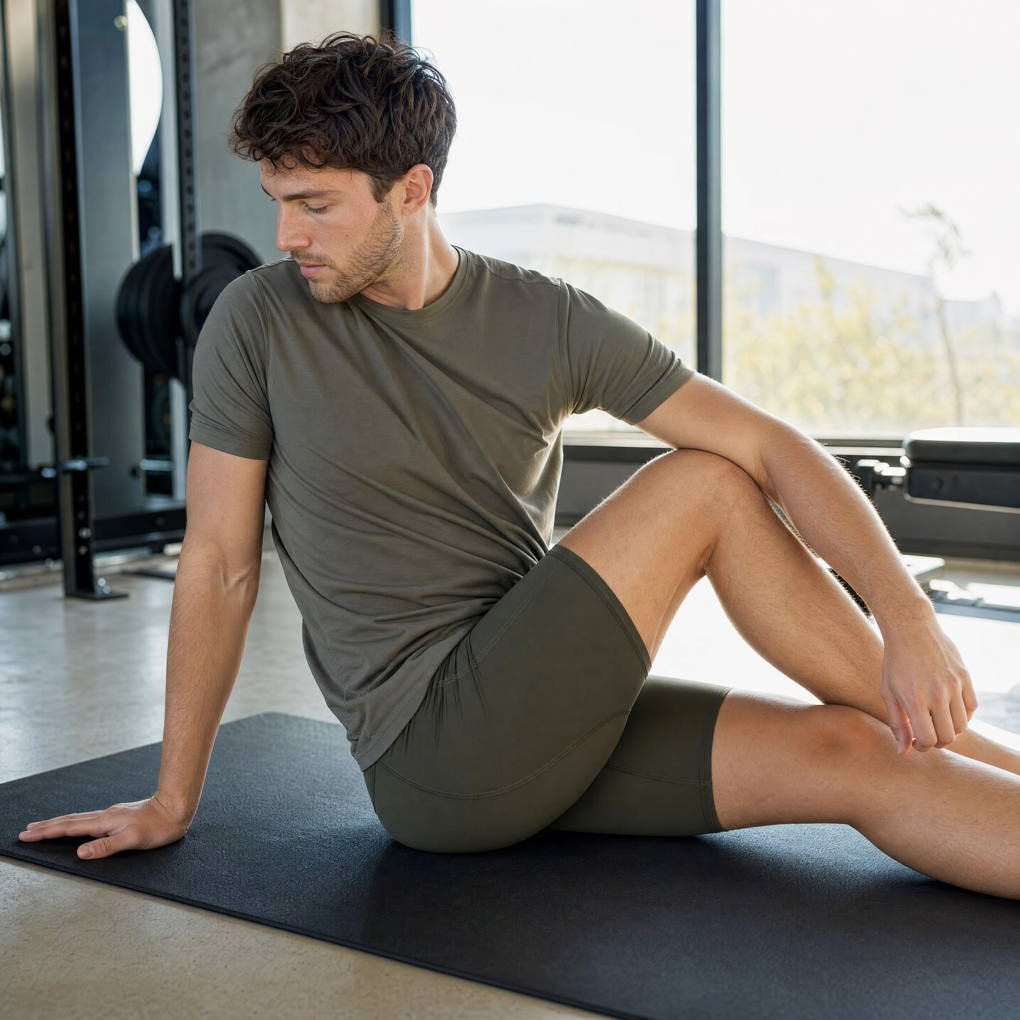
Are Compression Shorts Supposed to Be Worn Without Underwear?
Yes, most compression shorts built as an athletic base layer are meant to be worn without underwear. Their moisture-wicking fabric and smooth seams serve as your inner layer, though standalone outerwear styles can be paired with fitted athletic underwear for extra coverage.
Can You Wear Boxers Under Compression Shorts?
Wearing loose cotton boxers under compression shorts is not recommended because the excess fabric bunches up, traps sweat, and causes chafing. If you want an inner layer, choose snug, moisture-wicking athletic briefs or boxer briefs instead.
Do You Wear Underwear With Compression Shorts When Running?
Most runners skip underwear when wearing running compression shorts directly against the skin. Eliminating that extra layer reduces inner-thigh friction, speeds up sweat evaporation, and keeps seams from rubbing over long distances.
Is It Hygienic to Wear Compression Shorts Without Underwear?
Yes, wearing compression shorts without underwear is completely hygienic as long as you start with a clean pair, choose breathable fabrics suitable for direct skin contact, and change out of damp gear promptly after exercising.
Can You Wear Compression Shorts Alone?
You can wear compression shorts alone if they are made of thick, opaque outerwear fabric and provide full coverage. Lightweight compression underwear styles are thinner and best worn underneath running shorts, gym shorts, or sports uniforms.
Should Compression Shorts Feel Tight?
Compression shorts should feel snug, supportive, and secure against your muscles without feeling painful. If the waistband digs in, restricts your breathing or stride, or leaves deep marks, the fit is too tight.
Should You Wear Underwear With Compression Shorts?
So, should you wear underwear with compression shorts? For most workouts, skipping underwear lets base-layer compression shorts do their job best—keeping you cool, dry, and chafe-free with a smooth, distraction-free fit. Still, personal comfort always comes first. If thicker outerwear shorts leave you wanting extra modesty or support, pairing them with sleek athletic underwear works great too. Pay attention to fabric breathability, flat seams, and proper sizing, and choose the compression style that matches how you love to move.