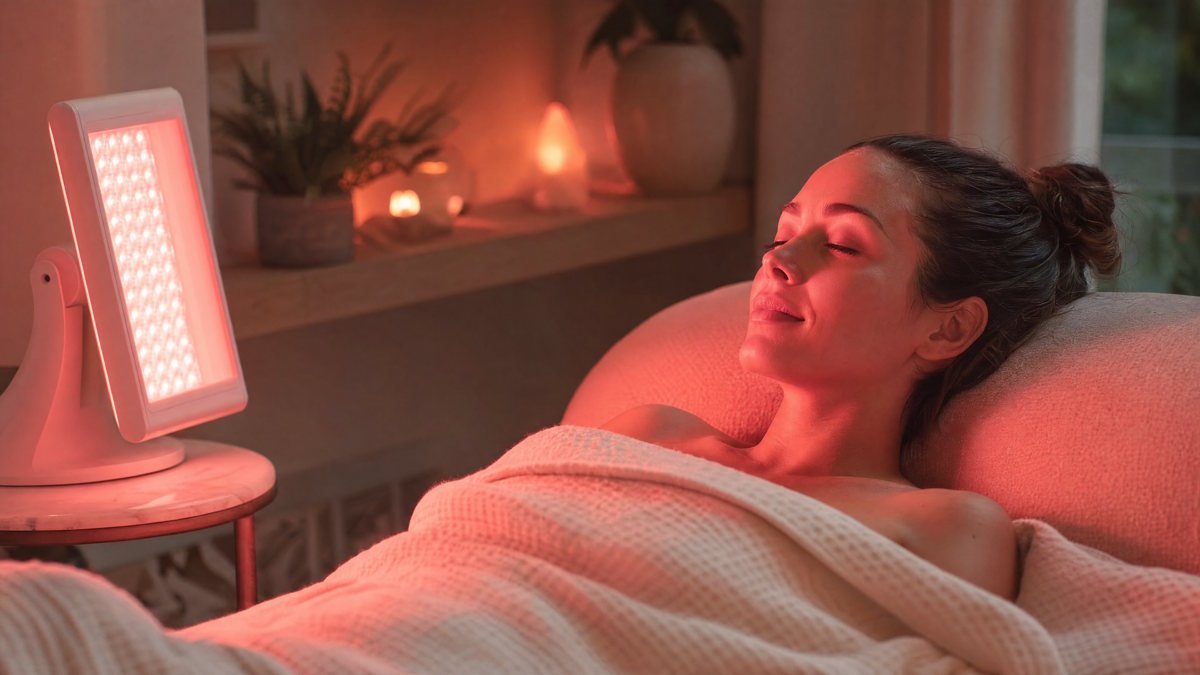
Have you ever wondered what LED light therapy is? You are certainly not alone. This non-invasive treatment is rapidly taking the skincare and wellness world by storm. It uses specific wavelengths of light to interact with your skin and underlying tissues. Its growing popularity makes perfect sense. The treatment easily fits into both professional beauty treatments and daily home wellness routines. Different wavelengths—including red, blue, and near-infrared light—are used for entirely different purposes. You might explore this therapy to improve your skin’s appearance. Others use it to manage certain types of acne or to support hair growth. Ultimately, effectiveness depends on the device, your treatment goals, and consistency of use. Let’s explore everything from handheld devices to full-body red light therapy systems.
What Is LED Light Therapy?
What is LED light therapy? It is a non-invasive skincare and wellness treatment. It uses Light Emitting Diodes (LEDs) to deliver specific wavelengths of light into the skin. This light gently triggers cellular processes that can improve skin health and aid recovery.
Understanding LED Light Therapy
LED stands for Light Emitting Diode. This exciting technology delivers precise wavelengths of light directly to targeted areas of your body. When this light enters your skin, it sparks a process called photobiomodulation. Simply put, photobiomodulation is the way certain wavelengths of light influence your cellular activity.
This process is quite different from traditional skincare treatments. Instead of relying on harsh chemicals or physical exfoliation, LED therapy works gently from the inside out. As a result, LED light therapy is generally considered non-invasive. There is no cutting, no burning, and no required downtime. You just sit back and let the light do its work.
Different Types of LED Light Therapy
Different light colors penetrate the skin at varying depths. Because of this, they offer different benefits. Here are the commonly used wavelengths and their applications.
| Light Type | Typical Wavelength | Common Applications |
| Red Light | 620–700 nm | Skin rejuvenation, fine lines, and wrinkles |
| Blue Light | 405–470 nm | Certain types of inflammatory acne |
| Near-Infrared Light | 700–1,100 nm | Studied for tissue recovery and pain-related applications |
| Yellow/Amber Light | 570–620 nm | Used in some cosmetic devices; evidence varies by application |
It is important to note that wavelength ranges often overlap in some device classifications. Additionally, not every marketed light color has equally strong clinical evidence. Stick to well-researched options for the most reliable results.
How Does LED Light Therapy Work?
LED light therapy works by sending specific light particles, called photons, into the skin. Your cells absorb these photons, boosting energy production in the mitochondria. This extra cellular energy helps reduce inflammation, speed up tissue repair, and promote overall skin health.
How Light Interacts With Skin Cells
When LED light hits your skin, tiny light particles called photons dive beneath the surface. Specific components within your cells absorb these photons. This absorption is the core of photobiomodulation.
Experts propose a strong connection between this process and your mitochondrial activity. Mitochondria are the powerhouses of your cells. With more energy, your cells simply function better. This boost can lead to reduced inflammation, better cellular signaling, and faster tissue repair. However, your biological response always depends on the specific wavelength and the dosage of light you receive.
LED Light Therapy vs. Laser Therapy
You might wonder how this compares to laser treatments. While both use light, LED devices and laser therapies are quite different. Lasers use highly focused, intense beams of light. They can sometimes damage tissue intentionally to promote healing.
In contrast, LEDs deliver a broader, cooler band of light. They cover larger areas without generating extreme heat. Because they are gentler and safer, LEDs are commonly used in at-home treatment devices. Professional devices found in clinics may offer higher intensity or combinations of wavelengths. However, consumer-grade equipment still offers an effective alternative.
Red Light Therapy Benefits
Red light therapy benefits range from boosting collagen and smoothing fine lines to supporting muscle recovery. By gently stimulating cellular energy, this specific wavelength helps rejuvenate skin, manage inflammation, and may even support hair growth with consistent use.
Red light therapy is among the most widely discussed forms of LED light therapy. While scientific support differs across applications, the potential benefits are quite exciting.
May Improve Skin Appearance and Reduce Fine Lines
Many people turn to red light therapy to revitalize their skin. There is strong potential for a relationship between red light therapy and your body’s collagen-related processes. Collagen is the protein that keeps your skin firm and youthful.
Research suggests that regular exposure can help smooth wrinkles. It can also improve skin texture and reduce visible signs of aging. Keep in mind that results are generally gradual. You will likely see subtle, cumulative changes over time rather than instant fixes.
May Support Acne Management
Dealing with breakouts can be incredibly frustrating. Red light can play a helpful role here by managing skin inflammation. Often, you will see blue and red light combined in acne treatments.
Blue light targets acne-causing bacteria. Meanwhile, red light helps calm the resulting redness and swelling. Just remember, LED therapy does not effectively address every single form of acne. Severe or cystic acne may still require professional dermatological care.
May Promote Hair Growth
Thinning hair is another area where red light shows promise. Research on red light and low-level light therapy suggests it may help with androgenetic alopecia. This is a very common type of hair loss.
To see these benefits, treatment typically requires consistent, ongoing sessions. Naturally, results vary from person to person. Light therapy does not address every underlying cause of hair loss, such as nutritional deficiencies or stress.
Potential Benefits for Muscle Recovery and Discomfort
Athletes are increasingly turning to light therapy. There is ongoing research into the use of red and near-infrared light for exercise recovery. It is also being studied for muscle soreness and certain pain conditions.
Some studies show faster recovery times. However, the evidence remains mixed and depends heavily on specific treatment protocols. Avoid claims that red light therapy can magically cure serious injuries or chronic conditions. It is a supportive tool, not a miracle cure.
May Support Certain Wound-Healing Processes
Scientists are also studying how photobiomodulation assists in tissue repair. In supervised clinical applications, light therapy can aid in healing certain types of skin wounds.
However, it is crucial to differentiate these clinical settings from at-home wellness use. Wounds requiring professional medical attention should absolutely not be self-treated with consumer LED devices. Always consult a doctor for injuries.
Best Handheld LED Light Therapy Device: What to Look For
The best handheld LED light therapy device is compact, portable, and designed for localized treatments. Prioritize verified wavelengths, FDA clearance, and clear light-output specifications to ensure safe and effective targeting of facial areas or specific spots.
What Is a Handheld LED Light Therapy Device?
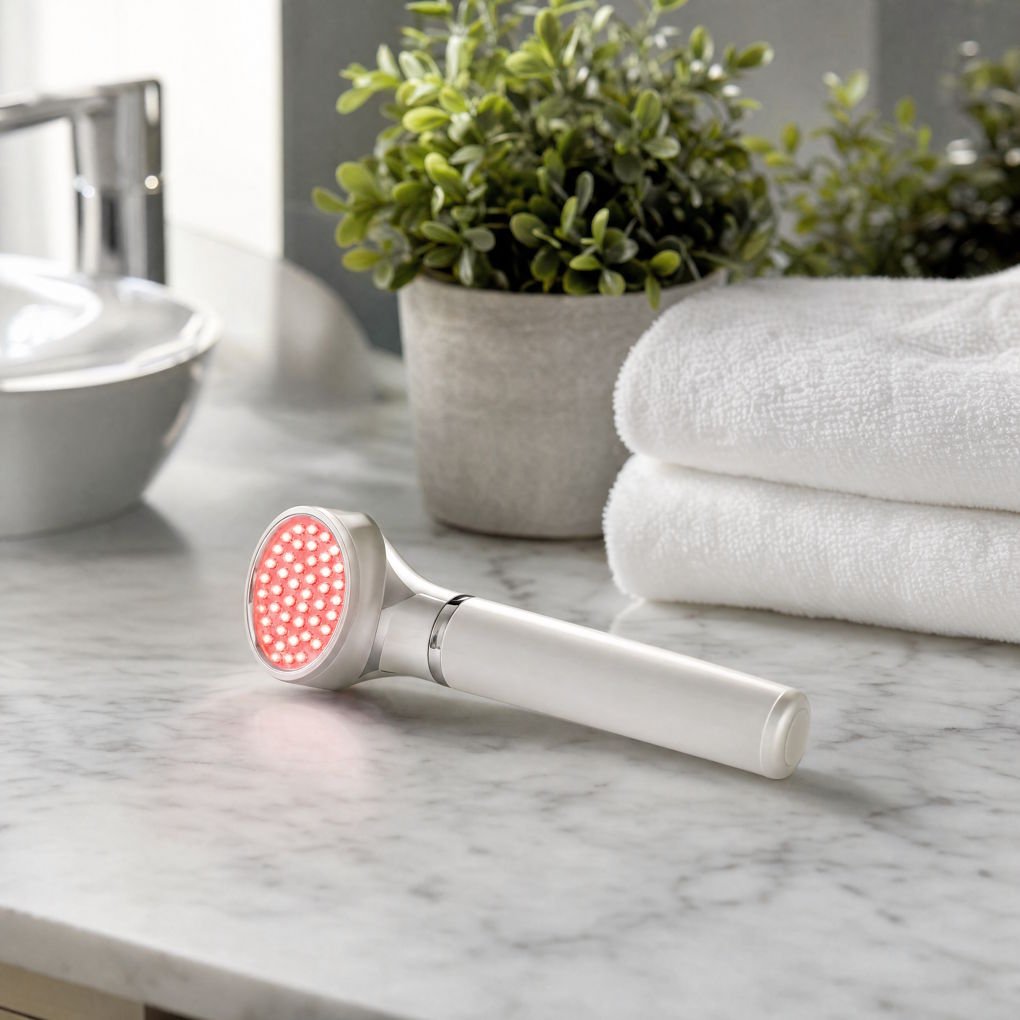
Handheld LED devices are compact wands or small brush-like tools. Their portable design makes them highly suitable for treating smaller, targeted areas of the body.
You get the incredible benefits of portability, daily convenience, and very easy storage. As a result, most people use them in their facial skincare routines. They are also perfect for localized spot treatments on blemishes or fine lines.
Features to Consider When Choosing the Best Handheld LED Light Therapy Device
Finding the best handheld LED light therapy device requires looking past the marketing hype. Consider these key features before you buy.
First, look for specific wavelengths that match your intended treatment goals. Second, consider the treatment area. A larger light-emitting surface covers more skin faster. Third, look for transparent, verifiable light output specifications rather than unsupported power claims.
Next, always check for appropriate regulatory safety clearance for your intended use. Additionally, evaluate the ergonomics, treatment duration, and portability to ensure ease of use. Finally, compare the purchase price with the features, manufacturer support, and warranty coverage to find the best value.
Who Should Consider Handheld LED Devices?
Handheld tools are perfect for individuals targeting smaller skincare areas. They are ideal for beginners exploring at-home LED light therapy for the first time. Furthermore, if you travel frequently or prioritize compact equipment, a handheld unit is your best bet.
Best Full Body Red Light Therapy: Devices and Features
The best full-body red light therapy systems use large panels or beds to expose larger body areas to healing light. These devices are ideal for overall skin rejuvenation, muscle recovery, and wellness, but they require more space and investment.
What Is Full Body Red Light Therapy?
Full-body red light therapy takes photobiomodulation to the next level. It uses larger panels and specialized systems. These devices simultaneously expose broader areas of your body to red or near-infrared light.
These systems differ significantly from handheld devices in scale and power. However, it is important to clarify a common misconception. Treating a larger surface area does not automatically produce better clinical outcomes for localized, specific issues.
Types of Full-Body Red Light Therapy Devices
There are several ways to experience a full-body treatment. Here are the main categories available today.
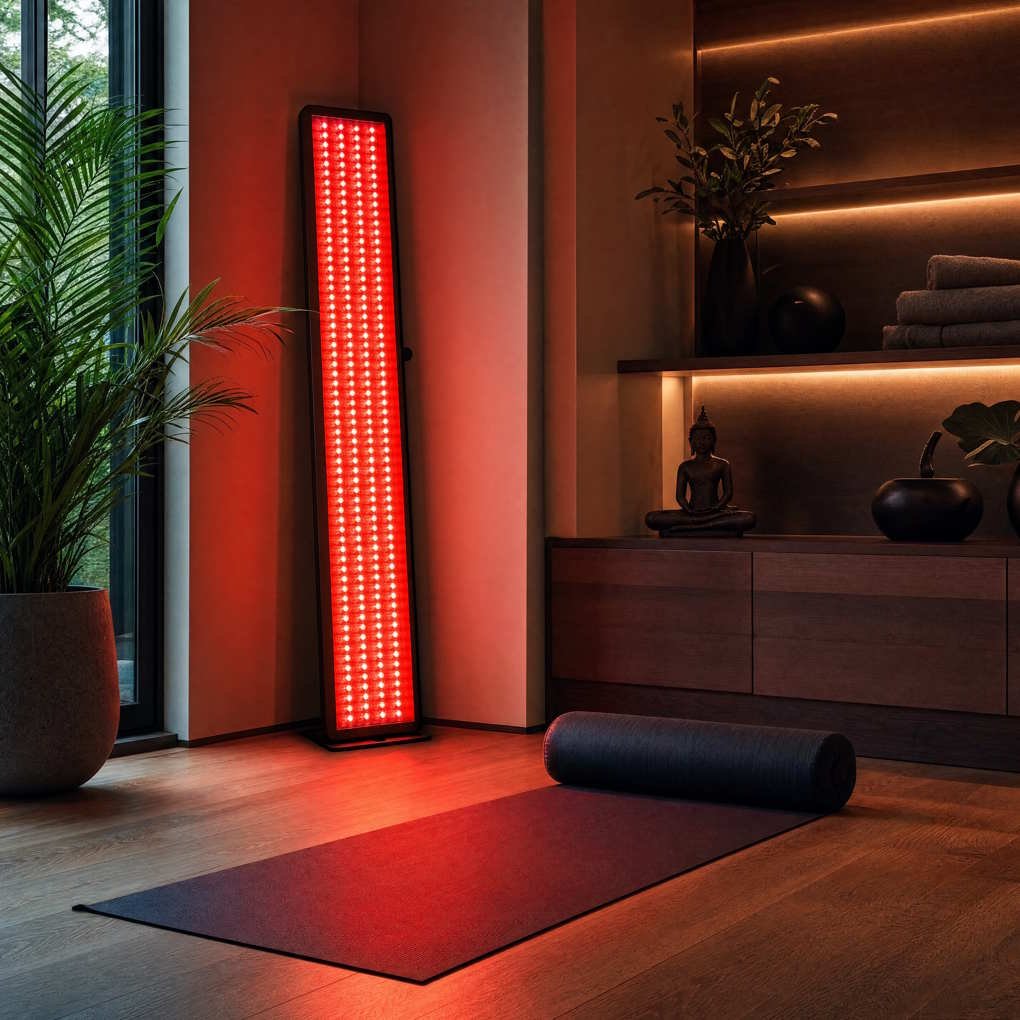
Red light therapy panels are suitable for illuminating relatively large body areas, like your entire back. Full-body panel systems connect multiple panels into larger units designed for broader coverage.
Red light therapy beds are equipment commonly associated with professional wellness facilities. Finally, flexible wraps and mats are designed for particular body regions, though their features and effectiveness vary widely by model.
How to Choose the Best Full Body Red Light Therapy Device
When searching for the best full body red light therapy setup, evaluate several critical factors. Check the wavelength options and ensure they match your intended applications. Evaluate the coverage area and the recommended treatment distance carefully.
Look for clear irradiance measurements and absolute manufacturer transparency. Check for built-in timers and other essential safety features. Moreover, measure your room to ensure the equipment dimensions and space requirements fit. Always verify the warranty, product certifications, and available customer support.
Handheld vs. Full-Body Red Light Therapy: Which Is Better?
Neither is universally better. Handheld devices are cheaper, portable, and great for targeted skincare. Full-body panels are pricier and stationary, but ideal for broad muscle recovery and systemic wellness. Choose based on your specific goals and budget.
When comparing these two options, select equipment based on your actual goals rather than flashy marketing claims.
| Feature | Handheld LED Device | Full-Body Red Light Device |
| Coverage | Small, targeted areas | Larger body regions |
| Portability | Generally high | Generally limited |
| Space requirements | Minimal | Moderate to substantial |
| Cost | Often less expensive | Often more expensive |
| Ideal applications | Localized treatment goals | Broader-area exposure |
| Treatment convenience | Requires positioning over target areas | Can expose multiple areas simultaneously |
Ultimately, the better choice entirely depends on your intended application. Device specifications, available space, and budget will dictate your final decision.
How to Use LED Light Therapy at Home
To use LED light therapy at home, cleanse your skin, put on protective eyewear, and position the device at the recommended distance. Follow the manufacturer’s guidelines for time and frequency. Consistency is key to achieving optimal results.
Preparing for an LED Light Therapy Session
Preparation is simple but totally essential. Always read the manufacturer’s directions before your first use. Check whether the treatment area needs to be completely clean and free of skincare products.
Position the device according to its recommended distance and orientation. Lastly, always use the recommended eye protection whenever the manual requires it.
How Long Should an LED Light Therapy Session Last?
Treatment times can vary wildly. The duration depends entirely on the specific device and the indication you are treating. Therefore, it is best to avoid prescribing a universal number of minutes. Emphasize following the manufacturer’s established treatment protocol to stay safe and see results.
How Often Should You Use LED Light Therapy?
Patience is a huge virtue here. Repeated sessions are generally necessary to see visible changes. It is crucial to maintain realistic expectations throughout the whole process. Interestingly, doing more frequent or longer sessions does not necessarily mean better or faster results. Stick to the routine.
Is LED Light Therapy Safe? Risks and Side Effects
LED light therapy is generally safe and non-invasive. However, risks include mild temporary redness, skin irritation, or eye discomfort if used improperly. Always follow guidelines and consult a doctor if you have photosensitivity or take light-sensitizing medications.
Common Side Effects
While generally very safe, some people may experience minor issues. These can include temporary skin irritation, mild redness, and discomfort.
There is also potential for eye discomfort from improper use without goggles. Furthermore, there is a risk of adverse skin reactions when devices are misused or overused.
Who Should Consult a Healthcare Professional Before Using LED Light Therapy?
Safety must always come first. The following groups should talk to a doctor before starting. People with known photosensitivity conditions should be cautious. Individuals taking medications that increase light sensitivity need medical advice.
People with certain eye conditions or a history of eye disease should consult an eye doctor. Individuals with active or suspicious skin lesions must seek professional evaluation. Finally, anyone planning to use LED therapy for a diagnosed medical condition should get medical clearance.
Understanding FDA-Cleared LED Light Therapy Devices
When shopping, you will often see the term “FDA-cleared.” This means the device is cleared for a specified intended use, usually related to safety.
It is important to distinguish legitimate regulatory clearance from vague marketing claims. Always encourage yourself to verify clearance claims and firmly understand their limitations. It means the device is safe to use as directed, not that it is a guaranteed cure.
Frequently Asked Questions About LED Light Therapy
Does LED Light Therapy Really Work?
Yes, it can be quite effective. Research supports possible benefits for acne reduction, collagen stimulation, and minor muscle recovery. However, stronger, large-scale clinical studies are still needed to confirm its efficacy for more complex medical claims.
Is LED Light Therapy the Same as Red Light Therapy?
Not exactly. Red light therapy is simply one specific type of LED light therapy. While LED is the technology that delivers light, red light can technically also be delivered by some non-LED devices, such as certain lasers.
Can You Use LED Light Therapy Every Day?
This depends entirely on your equipment. Appropriate frequency varies by the device’s power, the wavelength, your treatment goals, and the manufacturer’s instructions. Many home devices are safe for daily use, but always check your manual.
How Long Does It Take to See Results From LED Light Therapy?
Patience is absolutely key. Results show high variability across skincare, acne, and hair-related applications. Minor skin improvements might appear in a few weeks. Meanwhile, hair growth and deep wrinkle reduction can take several months of consistent use.
Can LED Light Therapy Damage Your Skin?
When used correctly, it is highly unlikely to cause damage. However, inappropriate exposure, individual photosensitivity, and poorly designed devices do carry minor risks. You could experience skin irritation or mild burns if you ignore safety guidelines.
Is Full-Body Red Light Therapy Better Than Handheld Devices?
Not inherently. The right choice reinforces the importance of your treatment objectives and product specifications rather than just coverage alone. Handhelds are better for localized spot treatments. Conversely, full-body systems excel at broader systemic wellness.
Is LED Light Therapy Worth Trying?
To sum up, what is LED light therapy? It is a promising, non-invasive technology with fantastic, application-dependent benefits. The potential advantages of red light therapy for selected skincare concerns are certainly exciting. Remember that handheld devices may be more practical for localized treatment. Meanwhile, full-body devices offer broader coverage for general wellness.
Always emphasize choosing well-documented equipment and maintaining reasonable, patient expectations. If you are curious, take some time to thoughtfully explore LED light therapy options. You might also want to consult a qualified professional before beginning your new treatment journey.
2 Replies to “What Is LED Light Therapy?”