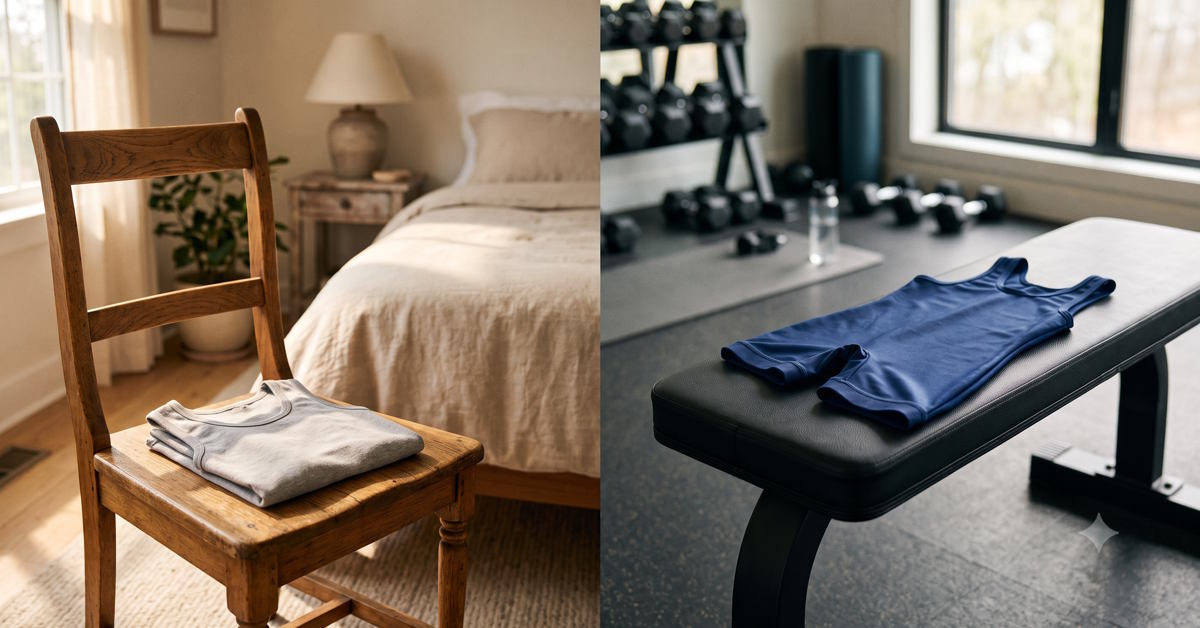
Have you ever wondered exactly what a singlet is? You are certainly not alone. This versatile piece of clothing often causes a bit of confusion. Depending on where you live and what you do, the word can mean entirely different things. In fact, a singlet could be a cozy undershirt, a breezy summer top, or a highly specialized sports uniform. In this guide, we will explore everything you need to know about what a singlet is. We will dive into the different types of singlets available today. Furthermore, we will break down the materials used and explain how they differ from those of similar garments. By the end, you will know exactly how to choose, wear, and care for this unique piece of clothing.
What Is a Singlet?
A singlet is a sleeveless, form-fitting garment worn on the upper body, or a one-piece uniform used in specific sports. The exact meaning depends heavily on your location and the intended activity, ranging from casual everyday undershirts to highly competitive wrestling gear.
If you travel the world, you will quickly notice how the definition shifts. In Australia and New Zealand, for example, a singlet typically refers to a casual tank top or a basic sleeveless undershirt. However, in the United States, the term is almost exclusively used for athletic gear. When Americans hear the word, they usually picture a tight, one-piece uniform.
So, what is a singlet, at its core? Despite the regional differences, most singlets share a few basic characteristics. First, they feature a completely sleeveless construction. Second, they are usually made from lightweight or highly stretchable fabric. Third, they offer a close or relaxed fit depending on the style. Ultimately, they are designed to provide maximum movement and excellent ventilation.
Where Did the Singlet Get Its Name?
The origin of the word is quite simple and practical. Historically, a garment made from a single unlined layer of fabric was called a “single.” Over time, this practical term evolved to describe lightweight, single-layer undergarments before expanding into modern athletic wear.
Initially, the term described a lightweight, single-layer undergarment. As sports and athletics grew in popularity, competitors needed clothing that offered freedom of movement. They adopted these single-layer garments for active wear. Gradually, regional language and sports culture influenced its modern meaning. That is why the exact same word now describes completely different garments depending on the country you are in.
What Does a Singlet Look Like?

A casual singlet usually resembles a standard sleeveless shirt, with a simple, relaxed design. It normally features wide or narrow shoulder straps and a round, scoop, or V-shaped neckline. The arm openings are completely sleeveless to keep you cool. Furthermore, casual styles often feature a waist-length cut that tucks easily into pants.
However, athletic singlets look noticeably different. They are defined by tight compression fits and thick, reinforced seams to withstand heavy movement. Most notably, wrestling and powerlifting singlets feature a one-piece construction that covers the torso and upper thighs. These athletic versions often come in bright team colors. You will also frequently see bold patterns, school logos, and specific team designs printed directly on the stretch fabric.
Different Types of Singlets
Because the garment is so versatile, there are several distinct types of singlets available today.
Casual Singlets
These are your everyday tops. People often wear them as everyday clothing in hot weather, as comfortable sleepwear, or as a protective undershirt. They are usually made from soft cotton, durable polyester, or a blend of the two. You can easily find them in both tightly fitted and comfortably loose styles.
Wrestling Singlets
A wrestling singlet is a highly specialized, one-piece athletic uniform worn during matches. It features a very close-fitting design made from stretchable material. This tight fit allows wrestlers to move freely on the mat. More importantly, it reduces loose fabric that an opponent could easily grab during a match. You can find them in high-cut, low-cut, and specific women’s wrestling designs.
Weightlifting and Powerlifting Singlets
Much like wrestling gear, these are designed specifically for heavy competition. Weightlifting uniforms serve a very important purpose. The deeply fitted design allows competition judges to clearly observe the lifter’s body position and technique. Because of the heavy strain, they feature incredibly stretchable materials and tough, reinforced construction.
Running and Athletic Singlets
If you visit a track, you will likely see running singlets. These are lightweight sleeveless tops used for running, basketball, track events, and gym workouts. They are specifically engineered with moisture-wicking and highly breathable features to keep athletes cool.
Undershirt Singlets
Finally, basic singlets are frequently worn directly beneath shirts or work uniforms. People use them for added comfort, extra sweat absorption, and a bit of extra warmth. On top of that, they help protect your expensive outer clothing from natural body oils.
What Materials Are Singlets Made From?
The material of a singlet drastically changes how it feels and functions. The most common materials include classic cotton, durable polyester, soft nylon, and stretchy spandex or elastane. Many modern options also use advanced moisture-wicking fabric blends.
Each material brings its own unique advantages and disadvantages. Cotton is incredibly soft and breathable, making it perfect for casual wear. However, it absorbs sweat and dries slowly. In contrast, polyester and nylon are excellent at pulling sweat away from your skin. Spandex gives sports fabrics their extreme stretchable quality. Therefore, breathable casual fabrics focus on comfort, while sports fabrics prioritize stretch and sweat control. When choosing one, always consider durability, flexibility, and overall comfort.
Singlet vs Tank Top: What Is the Difference?
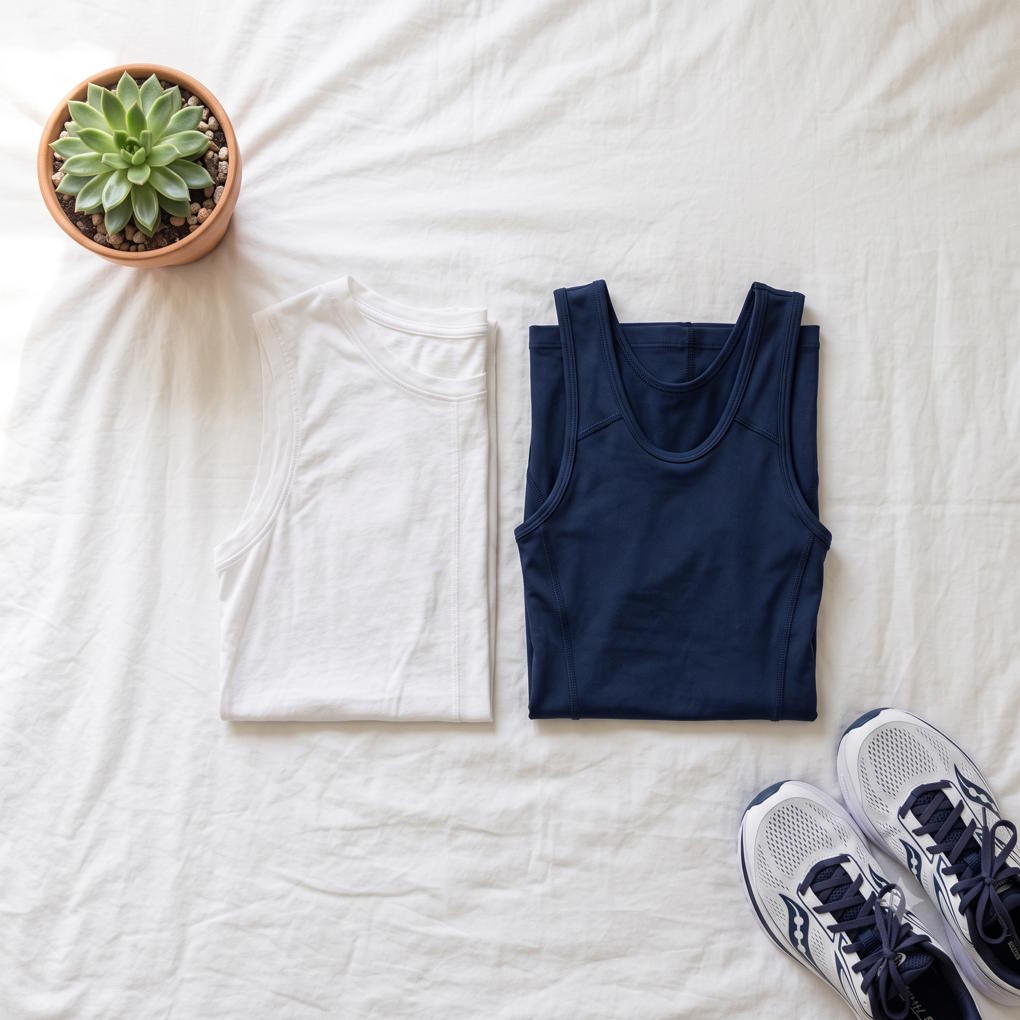
The main difference between a singlet and a tank top lies in how they are used and where you live. While a tank top is generally considered casual wear, a singlet can refer to either a casual top or a tight, one-piece sports uniform.
In everyday conversation, the terms are sometimes used interchangeably. However, they actually differ based on regional terminology, overall fit, intended use, and fabric construction. As mentioned earlier, Australians use “singlet” for what Americans call a “tank top.” Meanwhile, an American wrestling uniform is never called a tank top.
(See comparison table in the main article text)
Singlet vs Undershirt
Some singlets are worn as undershirts, but not every singlet is an undergarment. The difference usually comes down to the fabric thickness and the neckline design.
When comparing outerwear singlets with undershirt versions, you will notice clear distinctions. Undershirts are typically thinner, making them easy to hide under a dress shirt. They also tend to have deeper necklines, so they remain completely invisible beneath open collars. Outerwear versions are thicker and feature more structured fits. Ultimately, your local climate and personal preference heavily influence how you choose to wear them.
When and Why Do People Wear Singlets?
People wear singlets for a wide variety of practical and comfortable reasons. You will see them used as casual wear in very warm weather. Many people use them for smart layering beneath shirts and heavy jackets. Furthermore, they are mandatory for certain sports competitions and popular for intense gym workouts and running. They also serve as great team uniforms, cozy sleepwear, or simple loungewear.
The main benefits are quite clear. First, they offer complete freedom of movement for your arms and shoulders. Second, the sleeveless design provides unbeatable breathability. Third, they drastically reduce fabric bulk when layering. Additionally, they offer excellent sweat management and serve as a comfortable base layer year-round.
How Should a Singlet Fit?
The ideal fit of a singlet depends entirely on the specific type you are wearing. There is no single rule for every garment.
For example, casual singlets may be comfortably relaxed or slightly fitted. On the other hand, a wrestling or powerlifting singlet must fit very closely against the skin. However, it should never restrict your natural movement. When checking the fit, pay attention to the shoulders and chest. The straps should rest comfortably without digging into your skin. The arm openings should be wide enough to prevent chafing. For one-piece singlets, ensure the waist and leg openings feel secure but not painfully tight. Always avoid choosing a size that is excessively tight, highly transparent, or generally uncomfortable.
How to Choose the Right Singlet
To find the perfect singlet, always start by identifying your intended activity. A heavy gym session requires a very different garment from a lazy Sunday at home.
Next, choose the correct fabric for your needs. Always check the brand’s sizing charts, as fits can vary wildly between manufacturers. It is also wise to consider the material’s breathability and stretch. Before buying, carefully examine the seam quality and overall durability. You should also select a suitable coverage level and neckline that makes you feel comfortable. If you are buying an athletic singlet, you must closely consider your league’s competition rules. Finally, we highly recommend checking the care instructions before buying to ensure easy maintenance.
How to Wash and Care for a Singlet
Proper care will significantly extend the life of your garment. Always begin by following the manufacturer’s care label attached to the inside seam.
If you are using sports singlets, wash them soon after use to prevent bacteria buildup. Generally, you should use cold or lukewarm water when appropriate. You must carefully avoid harsh bleach, especially on stretch fabrics, as it ruins the elasticity. For the same reason, always try to air-dry your athletic singlets to protect that vital stretch. If your garment has prints or logos, wash it inside out to prevent peeling. Finally, always store the singlet completely dry to prevent stubborn odors.
Frequently Asked Questions About Singlets
Is A Singlet the Same as a Tank Top?
They can certainly mean the same thing in casual clothing, depending heavily on the country you are in. In places like Australia, a singlet is essentially a tank top.
What Is a Singlet in Wrestling?
In the sport of wrestling, a singlet is a tightly fitted, one-piece competition uniform. It covers the torso and upper thighs to prevent opponents from grabbing loose clothing.
Can You Wear a Singlet as Regular Clothing?
Yes, absolutely. Both casual and athletic singlets can be worn comfortably as outerwear when the weather and setting are appropriate.
Do You Wear Anything Under a Wrestling Singlet?
Athletes usually follow the requirements of their specific team, league, and competition. However, many wrestlers wear specialized athletic briefs or compression shorts beneath their trunks for support.
Are Singlets Suitable for Hot Weather?
Yes, they are well-suited to hot weather. Their completely sleeveless and highly breathable construction keeps your core cool when temperatures rise.
What Is the Best Material For a Singlet?
The best material simply depends on how you use it. Soft cotton suits casual, everyday wear perfectly. Meanwhile, moisture-wicking stretch fabrics are much better for intense sports.
What Is a Singlet
A singlet is a highly versatile, sleeveless garment that serves many different purposes. As we have seen, the true meaning depends entirely on your region and the specific context.
To recap, the main categories include casual tops, protective undershirts, wrestling uniforms, running gear, and weightlifting suits. Whether you need a breathable top for summer heat or a specialized uniform for your next powerlifting meet, there is an option for you. We strongly encourage you to choose one based on its intended activity, proper fit, durable fabric, and everyday comfort.