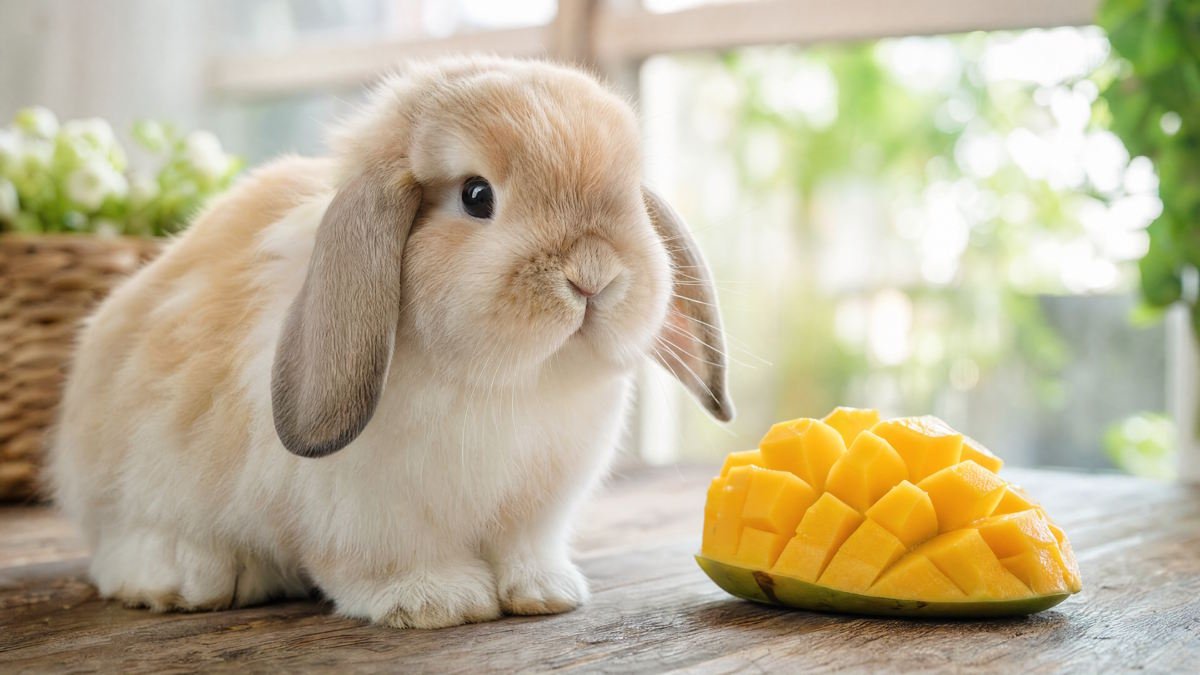
Mango is easily one of the most delightful tropical treats available. Its sweet flavor, vibrant color, and juicy texture make it a popular favorite in homes everywhere. As pet owners enjoy a bowl of freshly sliced fruit, it is natural to look down at a furry companion and wonder if they can share in the goodness. However, when it comes to house rabbits, their diet requires careful attention. Can rabbits eat mango safely, or does this sugary fruit pose hidden risks to their delicate systems?
Yes, healthy adult rabbits can occasionally eat small amounts of ripe mango flesh as a special treat. However, mango contains high levels of natural sugars that can easily disrupt your bunny’s digestion if fed too often. Fruits should never replace grass hay, fresh leafy greens, or balanced pellets. In this guide, we will explore the nutritional benefits, potential risks, recommended serving sizes, and safe preparation steps for feeding mango to rabbits. Additionally, we will cover safety tips for other household pets and human infants.
Can Rabbits Eat Mango Safely?
| Healthy adult rabbits can safely consume small pieces of ripe mango flesh as an occasional treat. However, because mango is high in natural sugar and low in fiber, excessive consumption can disrupt a rabbit’s sensitive gut flora. Mango should only complement a primary diet built on grass hay. |
Is Mango Toxic to Rabbits?
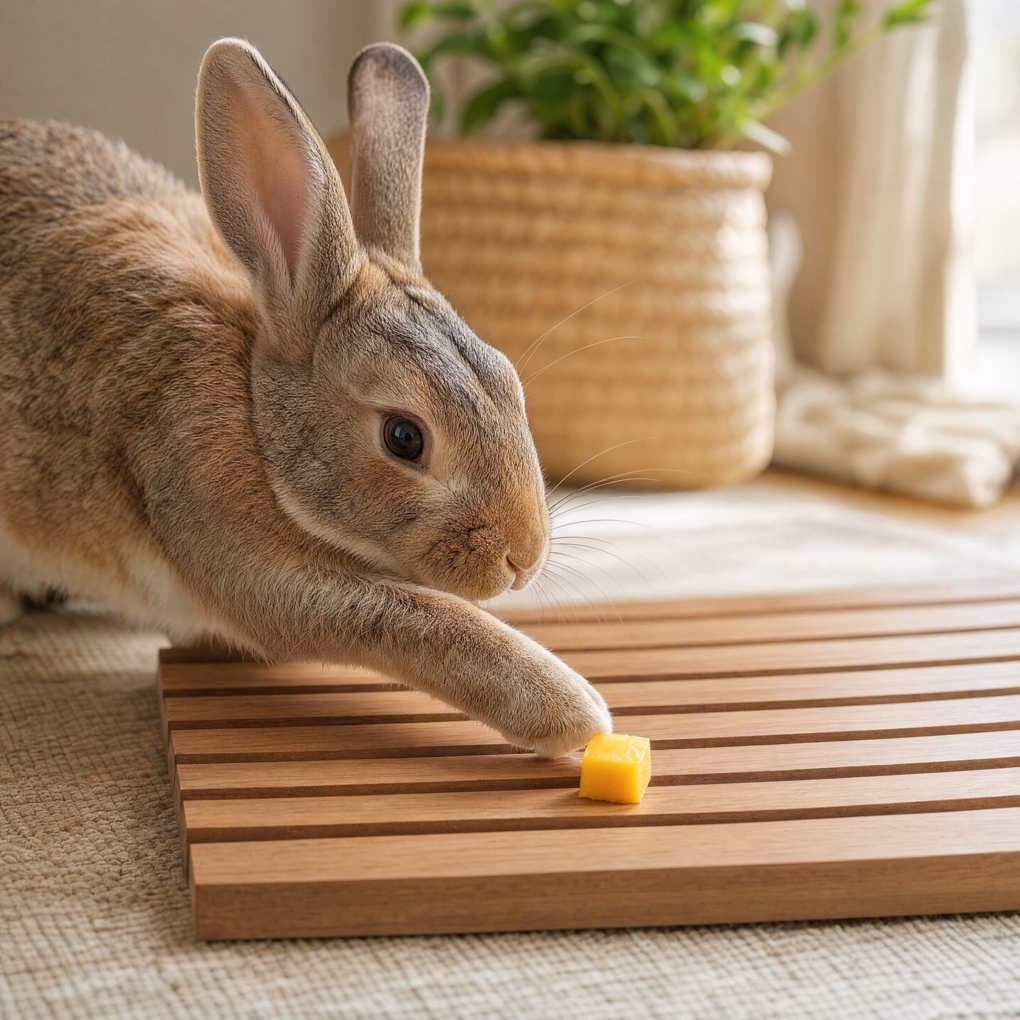
Ripe mango flesh is not toxic to pet rabbits. However, non-toxic does not mean suitable for regular feeding. Rabbits possess a unique gastrointestinal system built to digest complex, fibrous plant material. Their digestive tract relies on a delicate balance of beneficial bacteria to ferment fiber efficiently. Highly sugary foods like mango can upset this balance, promoting the overgrowth of harmful bacteria. As a result, while a small nibble is non-toxic, mango must remain a rare luxury rather than a daily staple.
Can Baby Rabbits Eat Mango?
Baby rabbits should never eat mango or any other fruit. Young bunnies under six months old have extremely fragile digestive systems that are still developing their microbial communities. Introducing sugary foods too early can trigger severe gastrointestinal upset, painful gas, or fatal intestinal stasis. Baby rabbits require a strict, age-appropriate diet consisting of unlimited alfalfa hay, high-quality pellets, and fresh water. Always seek veterinary guidance before introducing new foods to a young rabbit.
Nutritional Benefits of Mango for Rabbits
| While mango contains essential vitamins like vitamin A precursors, vitamin C, and hydrating water, these nutritional benefits are secondary for rabbits. Rabbits manufacture their own vitamin C naturally, so high-fiber grass hay remains the primary source of their nutritional and digestive well-being. |
Vitamins and Minerals Found in Mango
Mangoes contain vitamin C, beta-carotene (a precursor to vitamin A), potassium, and dietary folate. These nutrients support immune function, cellular repair, and vision in many animals. However, healthy rabbits synthesize their own vitamin C in their liver and do not rely on dietary fruit to meet their daily needs. Therefore, while these vitamins are beneficial, mango is not a necessary dietary supplement for your rabbit.
Hydration and Natural Antioxidants
Fresh mango flesh has a high water content, which provides gentle hydration on warm days. It also contains natural antioxidants, such as polyphenols, which help neutralize free radicals. Despite these positive qualities, any nutritional perks of mango are secondary to the critical role of fiber. Unlimited grass hay must always form the core of your rabbit’s daily nutrition.
Potential Risks of Feeding Mango to Rabbits
| The primary risk of feeding mango to rabbits is its high sugar content, which can cause severe digestive distress, obesity, and cecal dysbiosis. Additional hazards include choking or internal blockages caused by the tough outer skin and the hard central seed pit. |
High Sugar Content and Digestive Problems
Rabbits absorb simple sugars quickly, which can slow down gut motility. Consuming too much sugary fruit can lead to serious conditions like GI stasis, cecal dysbiosis, or soft, malformed cecotropes. Over time, frequent fruit snacks also contribute to obesity and painful dental decay. Maintaining consistent intestinal movement with high-fiber forage is essential for long-term rabbit health.
Can Rabbits Eat Mango Skin?
You should always peel mangoes before offering a piece to your rabbit. Mango skin is tough, fibrous, and difficult for rabbits to chew and digest properly. Furthermore, the outer peel may retain agricultural pesticide residues or natural plant compounds that irritate a rabbit’s mouth. Removing the skin ensures a safer, cleaner treat for your pet.
Can Rabbits Eat Mango Seeds?
Rabbits must never eat mango seeds or pits. The central pit is large and hard, posing a severe choking hazard. If ingested in fragments, sharp pit pieces can cause dangerous gastrointestinal obstructions or lacerations. Always slice the soft fruit flesh away from the pit completely before serving.
How Much Mango Can Rabbits Eat?
| Rabbits should only consume a portion of ripe mango about the size of a thumb tip (roughly one teaspoon) once or twice a week. Fruit should only be offered to healthy adult rabbits after their digestive system has successfully adapted to solid greens and hay. |
Recommended Serving Size and Frequency

Treat mango as an occasional reward, not a daily meal component. For a small to medium-sized adult rabbit, a portion equal to one teaspoon (about the size of a thumb tip) is sufficient. Offer this treat no more than once or twice a week. Always adjust portion sizes based on your rabbit’s individual weight, age, and health status.
Signs Your Rabbit Has Eaten Too Much Mango
If your rabbit eats too much mango, watch closely for signs of digestive upset. Symptoms include soft droppings, uneaten cecotropes, lethargy, abdominal bloating, or loss of appetite. If your rabbit stops eating hay or stops producing normal round fecal pellets for more than 12 hours, contact a rabbit-experienced veterinarian immediately.
How to Prepare Mango for Your Rabbit
| To prepare mango safely for a rabbit, select a fresh, fully ripe fruit, wash it thoroughly under cool water, peel off the skin, and discard the central pit. Cut a tiny cube of plain flesh and offer it fresh, never dried or sweetened. |
Step-by-Step Mango Preparation
Follow these simple steps to safely serve mango to your rabbit:
- Select a fresh, ripe mango free from mold or bruising.
- Wash the outer fruit thoroughly under clean water.
- Remove the peel completely using a sharp paring knife.
- Cut away the soft flesh, avoiding the central pit.
- Dice a tiny piece (about 1 teaspoon size) for your rabbit.
- Offer the portion and monitor your rabbit’s digestive response over 24 hours.
Fresh Mango vs. Dried Mango
Always choose fresh, plain mango over dried alternatives. Dried fruit has a far higher sugar concentration per ounce due to moisture loss, making it easy to accidentally overfeed. Additionally, store-bought dried fruits often contain added sugars or sulfur dioxide as a preservative. Never feed canned mango, syrup, or commercial fruit juices to your pet rabbit.
Can Dogs Eat Mango?
| Yes, dogs can safely eat ripe mango flesh in small, bite-sized portions as an occasional snack. Mango provides dogs with vitamins A, C, and B6, along with dietary fiber. However, the skin and central pit must always be removed to prevent choking and intestinal blockage. |
Many dog owners wonder: can dogs eat mango safely? The short answer is yes. Dogs are omnivores and can digest fruits more easily than strict herbivores or carnivores. Ripe mango flesh provides dogs with beneficial vitamins, minerals, and dietary fiber. However, like any treat, it should be served in strict moderation to prevent stomach upset.
How Much Mango Can Dogs Eat?
Portion control depends heavily on your dog’s size, weight, and daily caloric needs. A small dog should only have one or two small cubes, while a larger dog can enjoy a few pieces. Treats should never exceed 10% of your dog’s daily calorie intake. Always peel the mango and remove the hard pit before sharing it with your dog.
Can Cats Eat Mango?
| Cats can technically eat a tiny piece of ripe mango flesh safely, but it provides no dietary benefit. As obligate carnivores, cats rely entirely on meat-based nutrients and lack the taste receptors to perceive sweetness, making fruit snacks completely unnecessary. |
Pet parents often ask: can cats eat mango alongside other family pets? While a tiny cube of ripe mango flesh is non-toxic to felines, fruit offers no nutritional value for them. Cats are obligate carnivores, meaning their bodies are designed to process animal protein and fat rather than plant carbohydrates. In addition, cats lack sweet taste receptors, so most show very little interest in fruit snacks.
If your curious cat takes a small lick or bite of plain mango flesh, there is no need to panic. However, you should avoid making fruit a regular habit. Never allow cats to chew on mango skin or pits, and keep them away from sweetened canned products or juices.
Can Dogs Eat Unripe Mango?
| Dogs should not eat unripe mango. Green, unripe mangoes are hard, extremely tart, and difficult to digest, which can cause severe stomach cramps, vomiting, and intestinal distress. Only serve fully ripe, soft mango flesh to your dog. |
Curious pet owners frequently ask: can dogs eat unripe mango when fruits fall from trees in the yard? It is best to keep your dog away from green, unripe mangoes. Unripe fruit has a firm, woody texture and high acidity levels that can severely upset a dog’s digestive system, leading to vomiting or stomach pain.
Furthermore, green mangoes are difficult to chew properly, increasing the risk of choking or gastrointestinal blockages. Always wait until the fruit is fully ripe, soft, and peeled before sharing a small portion with your dog. Make sure your yard is free of unripe fruit and loose mango pits.
When Can Babies Have Mango?
| Human babies can generally start eating mango around 6 months of age, once they begin solid foods. Serve ripe, soft mango as a smooth puree or in long, thin spear shapes to encourage safe self-feeding and minimize choking risks. |
Parents starting their babies on solid foods often ask: when can babies safely have mango? Most infants can begin enjoying mango around 6 months of age, provided they show key signs of developmental readiness for solid foods. Mango is rich in vitamin C, vitamin A, and folate, making it a nutritious addition to an infant’s growing diet.
For young infants, blend ripe mango flesh into a smooth puree or mash it thoroughly. For older babies practicing self-feeding, offer long, thick spears of soft, peeled mango that they can easily grasp. Unlike baby rabbits, who must completely avoid fruit, human infants benefit greatly from the rich nutrients found in fresh fruit when served in age-appropriate textures.
What Other Fruits Can Rabbits Eat?
| Rabbits can safely enjoy several low-sugar fruits in moderation, including seedless apple slices, blueberries, strawberries, and small pieces of banana or papaya. However, high-sugar snacks, fruit seeds, and avocados must be strictly avoided. |
Rabbit-Safe Fruits in Moderation
If you want to offer your rabbit a variety of fruit treats, several options are safe in tiny quantities:
- Apples (remove all seeds and core completely)
- Blueberries (one or two fresh berries)
- Strawberries (small slices including leafy green tops)
- Bananas (thin slices offered very sparingly)
- Papaya and Pineapple (small fresh cubes)
Fruits and Foods Rabbits Should Avoid
Never feed your rabbit avocados, as they contain a toxin called persin. Avoid all fruit seeds and pits, which can cause toxicity or physical blockages. Furthermore, steer clear of dried fruits with added sugars, candied fruit products, and processed human snacks. Stick to fresh, natural produce in controlled portions.
Frequently Asked Questions About Rabbits and Mango
Can Rabbits Eat Mango Every Day?
No, rabbits should not eat mango every day. The high sugar content in mango can disrupt their sensitive gut bacteria, leading to digestive issues and weight gain. Limit fruit treats to once or twice a week.
Can Rabbits Eat Frozen Mango?
Yes, plain frozen mango is acceptable if it has been fully thawed and cut into small pieces. Ensure the frozen product contains no added sugar, juices, or preservatives.
Can Rabbits Eat Mango Leaves?
It is best to avoid feeding mango leaves to pet rabbits. The safety and digestibility of mango plant leaves are not well-established, and the leaves contain natural resins that could upset a rabbit’s stomach.
Can Rabbits Drink Mango Juice?
No, rabbits should never drink mango juice. Store-bought and homemade juices concentrate sugar while removing beneficial dietary fiber, increasing the risk of GI stasis and severe digestive upset.
What Should I Do If My Rabbit Accidentally Eats a Large Amount of Mango?
If your rabbit consumes a large piece of mango, remove remaining fruit immediately and monitor their behavior closely. Encourage them to eat fresh grass hay and drink water. If you notice soft stools, lethargy, or reduced appetite within 24 hours, contact a rabbit-experienced veterinarian.
Should You Feed Mango to Your Rabbit?
In summary, healthy adult rabbits can safely enjoy small pieces of ripe, peeled mango flesh as an occasional treat. However, fruit should never form a significant portion of their diet. Unlimited grass hay, clean water, fresh leafy greens, and high-fiber pellets remain the cornerstone of your rabbit’s health and longevity. When introducing any new food, start with a tiny piece, monitor your pet’s digestive reaction, and consult a qualified rabbit veterinarian if you have any concerns about your pet’s health.
One Reply to “Can Rabbits Eat Mango?”