

Have you ever started jogging and instantly regretted your outfit? We have all been there. Knowing exactly what clothes to wear for running makes a huge difference. It improves your comfort, temperature regulation, and overall performance.
You do not need an expensive wardrobe to start. Basic running clothing should be lightweight, breathable, and moisture-wicking. Your outfit must simply match the weather outside.
In this guide, we cover everything you need. We will look at shirts, shorts, leggings, running socks, and underwear. We also cover weather-specific gear and accessories. Let us build your perfect running outfit.
What Clothes Should You Wear for Running?
What clothes should you wear for running? The ideal running outfit includes a moisture-wicking shirt, breathable shorts or leggings, anti-blister athletic socks, and properly fitted running shoes. This combination prevents chafing, manages sweat, and keeps your body temperature stable.
Moisture-Wicking Running Shirt
Your top should be a lightweight T-shirt, singlet, or tank top. Look for polyester, nylon, or technical fabrics. These moisture-wicking materials are far better than heavy cotton. They rapidly pull sweat away from your skin.
Running Shorts or Leggings
Running shorts are excellent for warm weather. Many runners prefer to wear compression shorts underneath to prevent inner-thigh rubbing. For cooler weather, switch to running tights or leggings. Choosing between loose and fitted clothing depends entirely on your personal comfort.
Running Socks
Good socks are surprisingly important. Always choose moisture-wicking materials to keep your feet completely dry. Dry feet help you avoid friction and painful blisters. Pick an appropriate sock height based on your shoe style and weather.
Running Shoes
Comfortable shoes designed specifically for running are non-negotiable. Focus heavily on a proper fit and good cushioning. Quality running shoes matter far more than fashionable clothing. They protect your joints from harsh impacts.
What Makes Good Running Clothes?

What makes good running clothes? High-quality running apparel is breathable, moisture-wicking, and incredibly lightweight. It allows for complete freedom of movement without restricting your joints. Additionally, good running gear uses flat seams and proper sizing to minimize uncomfortable chafing.
Breathability
Breathable clothing is essential for temperature control. It allows excess body heat to escape easily. This prevents you from overheating during intense workouts.
Moisture-Wicking Fabric
Technical fabrics actively move sweat away from your skin. The moisture spreads across the fabric’s surface and evaporates quickly. This process keeps you dry and comfortable.
Lightweight Construction
Heavy clothing weighs you down and drains your energy. Unnecessary weight can become highly uncomfortable during longer runs. Lightweight gear helps you maintain a natural stride.
Freedom of Movement
Your running clothes should never restrict your hips, shoulders, or legs. You need a full range of motion. Stretchy materials help accommodate your natural running form.
Minimal Chafing
Chafing is a common runner complaint. Flat seams, fitted garments, and proper sizing can help reduce rubbing. Always test new clothing on shorter runs first.
What Is the Best Material for Running Clothes?
What is the best material for running clothes? Polyester and nylon are the best synthetic materials because they are lightweight, durable, and dry quickly. For natural fibers, Merino wool is excellent for temperature regulation and odor resistance in cooler conditions.
Polyester
Polyester is incredibly lightweight and highly durable. It is a fantastic moisture-wicking fabric. You will commonly find it in high-quality running shirts and shorts.
Nylon
Nylon is soft, stretchy, and exceptionally quick drying. It moves easily with your body. Brands frequently use it in form-fitting tights and running shorts.
Merino Wool
Merino wool is famous for its natural temperature regulation. It also offers excellent odor resistance. This natural fiber is especially useful for cooler running conditions.
Should You Wear Cotton When Running?
You should generally avoid cotton. Cotton absorbs sweat heavily and holds onto moisture. It can become heavy, slow-drying, and deeply uncomfortable, especially during long or humid runs.
What to Wear Running in Hot Weather
What should you wear when running in hot weather? In warm climates, prioritize maximum airflow by wearing a lightweight singlet or T-shirt, breathable running shorts with a built-in liner, and a running cap or visor. Light-colored, UV-protective clothing also helps deflect strong sunlight.
Lightweight Running Shirt or Singlet
Choose highly breathable, quick-drying materials. A sleeveless singlet allows maximum airflow around your arms and shoulders. This keeps your core temperature down.
Running Shorts
Shorter, lightweight shorts are ideal for hot days. Many features are built-in liners for added comfort and breathability. This eliminates the need for extra underwear.
Light-Colored Clothing
Dark colors absorb heat from the sun. Lighter colors reflect sunlight away from your body. This makes light clothing feel noticeably more comfortable under strong sunlight.
Sun Protection
Protecting your skin is vital outdoors. Wear a running cap or visor to shade your face. Add sunglasses, sunscreen, and UV-protective clothing for complete protection.
Avoid Overdressing
It is easy to overeat before a run. Remember that you will normally feel warmer once you begin exercising. Dress for a temperature slightly warmer than it actually is.
What to Wear Running in Cold Weather
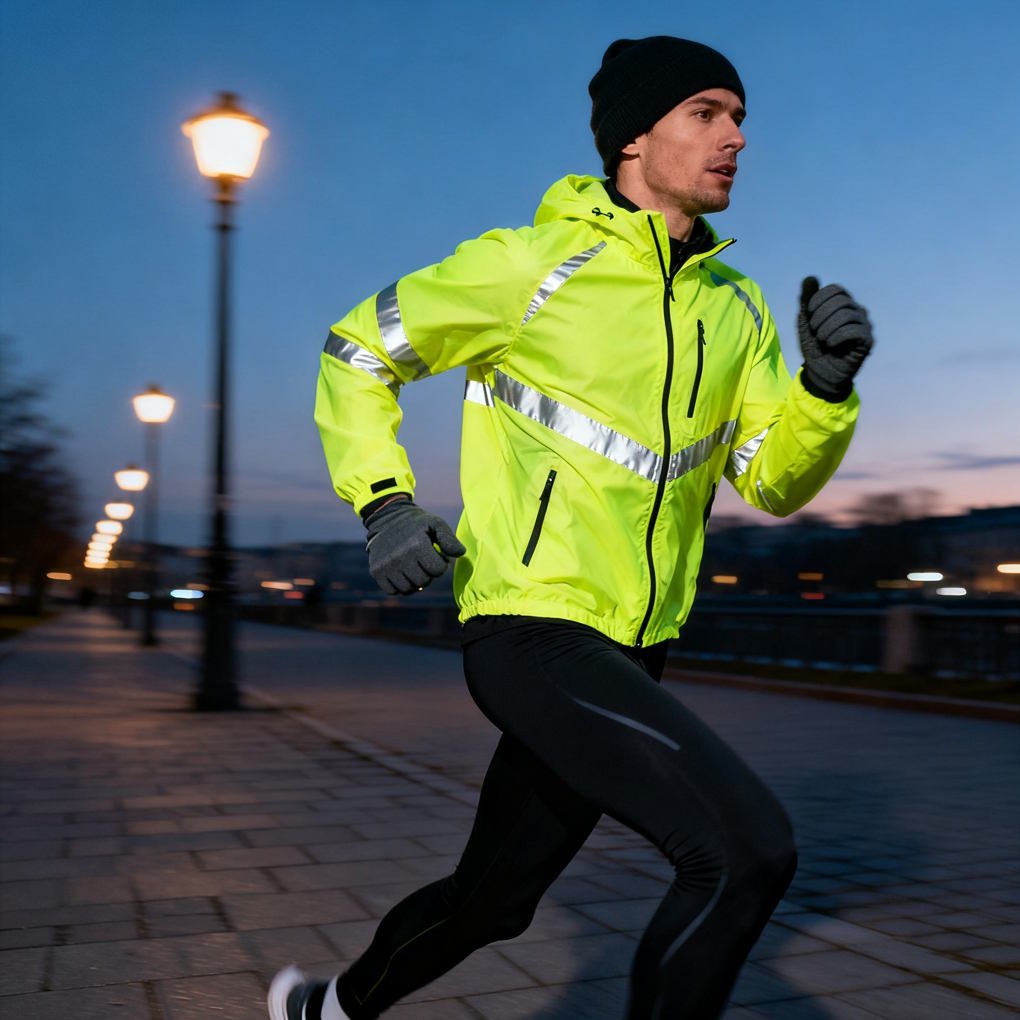
What should you wear when running in cold weather? The secret to cold-weather running is layering. Start with a moisture-wicking base layer, add an insulating middle layer if freezing, and finish with a wind-resistant jacket. Complete the outfit with full-length tights, gloves, and a beanie.
Base Layer
Start with a moisture-wicking long-sleeve shirt against your skin. This layer pulls chilling sweat away from your body. Avoid cotton completely in cold weather.
Insulating Layer
An insulating layer traps your body heat. A light fleece pullover works perfectly. This layer is highly useful when temperatures are particularly cold.
Running Jacket
Your outer layer protects you from the elements. Choose a wind-resistant or water-resistant running jacket. Make sure it is easy to unzip if you get warm.
Running Tights
Full-length tights can help keep your legs warm and comfortable. Thermal tights offer brushed interiors for extra insulation. They keep your muscles warm and ready.
Cold-Weather Accessories
You lose heat rapidly from your extremities. Wear gloves and a running beanie to stay warm. A neck gaiter and thermal socks also block freezing winds effectively.
Always avoid wearing too many layers. You do not want to overheat after several minutes of running. You should feel slightly chilly when you first step outside.
What to Wear Running in the Rain
What is the best gear for running in the rain? Choose a lightweight water-resistant running jacket, a quick-drying shirt, and running shorts or tights. Wear moisture-wicking socks to prevent blisters, a running cap to keep rain out of your eyes, and shoes with excellent traction.
Avoid heavy fabrics that soak up water. Completely waterproof clothing can sometimes trap heat and sweat. Therefore, breathability is still important, even in a downpour.
What Underwear Should You Wear for Running?
What underwear is best for running? Runners should wear moisture-wicking athletic underwear made of synthetic blends and avoid cotton. Alternatively, many prefer running shorts with built-in liners. Women should look for high-impact sports bras featuring breathable materials and secure, comfortable support.
Moisture-Wicking Underwear
Standard underwear can cause severe chafing. Always choose moisture-wicking fabrics instead. Avoid cotton whenever possible to keep the area dry.
Running Shorts With Built-In Liners
Many running shorts are designed to be worn without separate underwear. Built-in liners provide support and prevent friction. This design keeps things simple and breathable.
Sports Bras for Running
A good sports bra is arguably the most important piece of gear for women. Focus on high-impact support and comfort. Look for excellent fit and moisture-wicking materials.
Should You Wear Shorts or Leggings for Running?
Should you wear shorts or leggings for running? Neither option is universally better; it depends entirely on the weather and your preference. Shorts are perfect for hot weather and maximum airflow, while leggings offer extra muscle warmth, coverage, and friction reduction in cooler weather.
Running shorts are ideal for hot weather and short runs. They are great for runners who prefer maximum airflow. Running leggings or tights are ideal for cool weather and additional muscle coverage. They suit runners who prefer fitted clothing or need to reduce thigh friction. Personal comfort should ultimately determine your choice.
What to Wear for Running at Night
How should you dress for running at night? Visibility is your absolute top priority. Wear bright-colored running clothing equipped with reflective strips. Always use a reflective vest, a headlamp, or clip-on running lights so motorists and cyclists can easily spot you in the dark.
Dark clothing makes you virtually invisible after sunset. Runners must prioritize being visible to motorists, cyclists, and other road users. Always err on the side of caution.
What to Wear for Different Types of Runs
Short or Easy Runs
Short runs require minimal planning. A simple shirt, shorts, socks, and running shoes may be completely sufficient. Just dress comfortably for the current weather.
Long-Distance Running
Longer efforts require more preparation. Consider anti-chafing clothing and high-quality technical socks. A running belt, hydration vest, or clothing with storage pockets is highly recommended.
Trail Running
Trails bring unpredictable conditions. Recommend durable running clothing that resists snags. Bring trail shoes, a cap, and a lightweight jacket. Longer socks are helpful where a brush is present.
Treadmill Running
Indoor environments often have limited airflow. You will sweat heavily. Lightweight and highly breathable clothing is usually best for treadmill running.
What Should Beginners Wear for Running?
Beginners do not need a completely new wardrobe on day one. A basic beginner running outfit can consist of a moisture-wicking T-shirt, comfortable running shorts, athletic socks, and properly fitting running shoes.
Start with what you have in your closet. Ensure your shoes fit well to prevent injury. You can gradually purchase more specialized apparel as your mileage and training needs increase.
Running Clothes to Avoid
Certain items will quickly ruin a good run. Avoid heavy cotton shirts and jeans or restrictive pants at all costs. Clothes that are too loose can flap and annoy you, while excessively tight ones restrict your breathing.
Also, avoid thick everyday socks and clothing with rough seams. Finally, never wear brand-new clothing during a race or long-distance event. Always follow the golden running rule: nothing new on race day.
How Should Running Clothes Fit?
Running clothes should generally be comfortable, flexible, and secure without excessive compression. They must be entirely free from areas that rub or pinch the skin.
Fitted running tights should feel snug but not restrictive. Looser running shorts should allow full leg movement without falling down. Try testing clothing during shorter runs before using it for long runs or races.
Essential Running Accessories
Accessories can make your run significantly smoother. Consider a running cap or visor to block the sun, and sports sunglasses to protect your eyes. A running belt or phone holder keeps your hands free.
You might also want a GPS running watch to track your progress. A hydration belt or vest is crucial for long efforts. Remember, these are optional and depend completely on distance, weather, and personal preferences.
Frequently Asked Questions About What to Wear for Running
Can I Run in Normal Clothes?
Yes, particularly when you are just starting out. However, moisture-wicking athletic clothing generally becomes much more comfortable as your distance and sweat levels increase.
Is It Better to Run in Tight or Loose Clothes?
Either style can work perfectly well. It simply depends on your personal comfort, the daily weather, and the specific garment you are wearing.
Should I Wear Cotton When Running?
No, it is best to avoid cotton. Cotton has a strong tendency to absorb moisture, trapping sweat against your skin and causing uncomfortable chafing.
What Should I Wear for My First Run?
Keep it simple. We strongly recommend a basic moisture-wicking shirt, athletic shorts, breathable socks, and a pair of comfortable, supportive running shoes.
Should I Wear a Jacket While Running?
This depends entirely on the temperature, wind, and rain. If you wear one, ensure it is lightweight and breathable so you do not overheat.
Should I Wear Compression Clothes for Running?
Compression garments are completely optional rather than essential. Some runners love them for muscle support, while others prefer the freedom of looser clothing.
How Many Layers Should I Wear When Running?
This depends closely on the weather. Runners should account for their body temperature naturally increasing during exercise, so try to start with layers you can easily remove.
Choosing the Right Clothes for Running
Deciding what clothes to wear for running does not have to be complicated. The best running clothing should always prioritize your comfort, breathability, and moisture management. You also need complete freedom of movement, reliable weather protection, and high visibility when running at night.
Remember that comfort is personal. Beginners can confidently start with basic athletic clothing. You can then gradually invest in specialized running apparel based on your specific training habits, goals, and local weather conditions. Now, tie up your shoes, step outside, and enjoy your run!