
Have you ever ended a long day with tired, heavy, or aching legs? If so, you are definitely not alone. Many people turn to the best compression socks to help soothe tired muscles and support healthy blood flow. These specialized garments gently squeeze your legs, promoting better circulation from your ankles back up to your heart.
Whether you love running, travel frequently, work on your feet all day, or are managing pregnancy swelling, a good pair of compression socks can make a massive difference. However, the “best” compression socks depend entirely on your unique needs. You must consider the compression level, the fit, your daily activities, and your specific goals.
In this comprehensive guide, we will break down everything you need to know. You will learn how these garments work, what features matter most, and how to find the perfect pair for your everyday life.
What Are Compression Socks?
Compression socks are specialized, elastic garments designed to gently squeeze your legs. They provide targeted pressure to support healthy blood flow and reduce lower leg fatigue.
Most options use a design called graduated compression. This means the pressure is strongest right around your ankle. As the sock moves up your leg, the squeezing gradually decreases. This upward pressure naturally encourages blood to flow back toward your heart rather than pooling in your lower extremities.
When you shop for these garments, you will see their pressure measured in millimeters of mercury (mmHg). This simply indicates how tight the squeeze will be.
How Do Compression Socks Work?
Compression socks work by applying continuous, graduated pressure to the surface veins, arteries, and muscles in your lower legs.
- They support blood flow back toward the heart.
- They help reduce blood pooling in the lower legs and feet.
- They provide comforting support during long periods of sitting or standing.
What Are the Best Compression Socks?
When asking what the best compression socks are, the simple answer is that there is no single best option for everyone. Your ideal pair depends heavily on how and when you plan to wear them.
To find the right fit, you should evaluate a few main features. First, you need the correct compression level for your specific goals. Next, proper sizing is crucial; a sock that is too tight will pinch, while a loose one will not help at all.
You also want to look at comfortable fabric and overall breathability. If you run hot, moisture management and breathable mesh panels are essential. Durability matters, too, especially if you wear them daily. Finally, consider the cushioning and the ease of putting them on.
Ultimately, your intended use should dictate the type you select. A runner needs different features than someone recovering from surgery.
Best Compression Socks for Different Needs
Best Compression Socks for Everyday Wear
For daily use, you want lightweight and breathable materials. Look for moderate compression that feels supportive but not restrictive. The best pairs feature comfortable cuffs that stay up without digging into your skin.
Best Compression Socks for Running
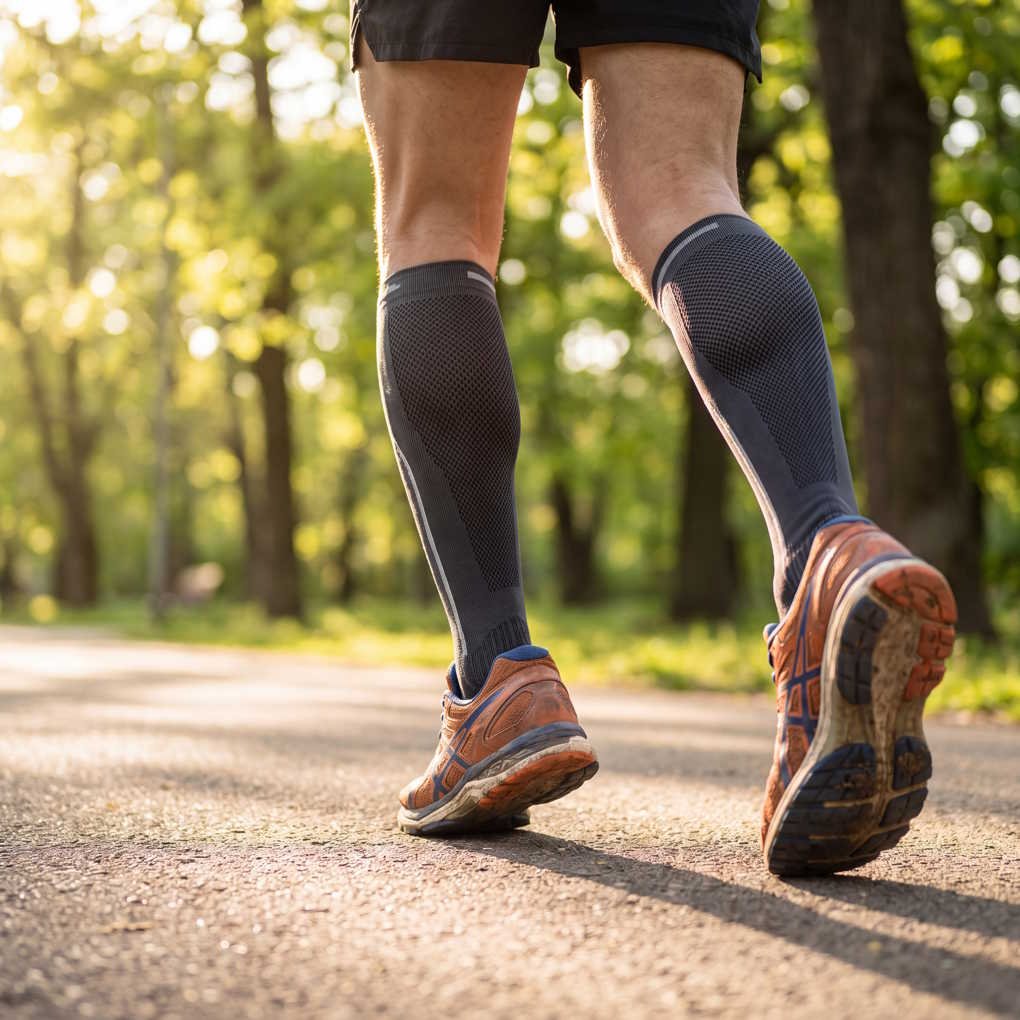
Athletes need moisture-wicking fabric to keep sweat at bay. A secure fit is vital to prevent blisters caused by slipping. Look for added cushioning around high-impact areas like the heel and toe. The compression should be specifically designed for athletic movement.
Best Compression Socks for Walking
Walking requires comfort over extended periods. Seek out pairs that offer dedicated arch and ankle support. Breathable materials will keep your feet cool and dry during long afternoon strolls.
Best Compression Socks for Travel
These are incredibly useful during long flights or road trips when you are stuck in one position. Focus on graduated compression and ultimate comfort. Proper sizing is vital so your legs feel fresh when you reach your destination.
Best Compression Socks for Standing All Day
The best compression socks for standing all day are essential for healthcare workers, retail staff, and teachers. Look for thick cushioning and breathable materials to handle long shifts. Moderate graduated compression usually works best to prevent heavy, aching legs.
Best Compression Socks for Pregnancy
Expectant mothers often need support for tired or swollen legs. Choose comfortable materials and flexible sizing that can accommodate body changes. Always mention consulting a healthcare professional to ensure the pressure level is appropriate for your pregnancy.
Best Compression Socks for Men
When looking for the best compression socks for men, fit and style often take center stage. Men typically need wider calf options and sizing that accommodates larger feet. However, remember that sock size rarely matches shoe size perfectly.
You can find everything from athletic styles to discreet, business-casual designs that look like regular dress socks. The most important step is measuring the calf and ankle rather than choosing a pair solely based on gender. Accurate measurements guarantee the right level of support.
Best Compression Socks for Women
The best compression socks for women come in a massive variety of everyday, athletic, travel, and pregnancy options. You will find a wide range of lengths, colors, and styles to match any outfit or activity.
Just like with men’s options, the importance of proper measurements cannot be overstated. A woman’s shoe size does not determine her calf circumference. Furthermore, compression requirements are not inherently different based on gender. The mechanics of healthy blood flow apply equally to everyone.
What Compression Level Is Best?
Choosing the right compression strength is just as important as finding the right size. Compression levels are measured in mmHg.
Mild Compression (8–15 mmHg)
Mild compression offers a very gentle squeeze.
- It is perfect for everyday comfort and relief.
- It helps during long periods of sitting or standing.
- It is a great starting point for frequent travelers.
Moderate Compression (15–20 mmHg)
This is the most common level for over-the-counter use.
- It provides noticeable support without feeling overly tight.
- It is highly popular for travel, exercise, work, and general leg support.
Firm Compression (20–30 mmHg)
Firm compression provides a much stronger squeeze.
- It is often recommended as one of the best compression socks for circulation concerns.
- It is great for managing moderate swelling.
- Medical guidance may be appropriate before starting this level.
Higher Medical Compression (30–40 mmHg and above)
These provide very intense pressure.
- They are generally intended for specific, severe medical situations.
- They should typically only be used under strict professional guidance.
Knee-High vs Thigh-High Compression Socks
Knee-High Compression Socks
Knee-highs are the most common style available. They sit just below the knee joint. They are highly convenient for everyday use, sports, work, and travel. For most people managing basic fatigue or mild swelling, knee-highs do the trick perfectly.
Thigh-High Compression Socks
Thigh-high options cover much more of the leg, reaching up to the upper thigh. These may be appropriate for specific situations or post-surgical medical recommendations where full-leg support is required.
Compression Tights
Compression tights or pantyhose provide full-leg and lower-torso coverage. They are often used for athletic activities, cold-weather runs, or situations requiring broader compression across the entire lower body.
How to Choose the Best Compression Socks
Choose the Correct Compression Level
Always match your compression strength to your intended use. Start low if you simply want everyday comfort.
Measure Your Legs
Never guess your size. Grab a flexible measuring tape and take your measurements first thing in the morning.
- Ankle circumference: Measure around the narrowest part of your ankle.
- Calf circumference: Measure around the widest part of your calf.
- Leg length: Measure from the floor to the bend of your knee.
Check the Material
The fabric dictates the comfort. Look for durable nylon-spandex or nylon-elastane blends for stretch. Polyester is great for durability. Merino wool is fantastic for temperature regulation, while moisture-wicking blends are a must for athletes.
Consider Cushioning
You will want extra cushioning in the heel and toe for high-impact activities like running and walking. Conversely, look for thinner materials if you plan to wear them with office attire or formal footwear.
Look for Breathability
Breathability is particularly important for intense workouts and warm climates. Mesh ventilation panels can keep your feet from overheating.
Check the Toe Design
You can choose between closed-toe and open-toe compression socks. Open-toe designs are wonderful for the summer months or for those who prefer wearing sandals.
How Should Compression Socks Fit?
Your socks should feel snug but not painfully tight. They should lie smoothly against the skin without any wrinkling.
You must avoid bunching, folding, or rolling the top down, as this creates a tourniquet effect that actually restricts blood flow. If your toes tingle, your skin changes color, or you feel pain, the socks are too tight. Always stress the importance of following the manufacturer’s sizing chart to get the safest, most comfortable fit.
When Should You Wear Compression Socks?
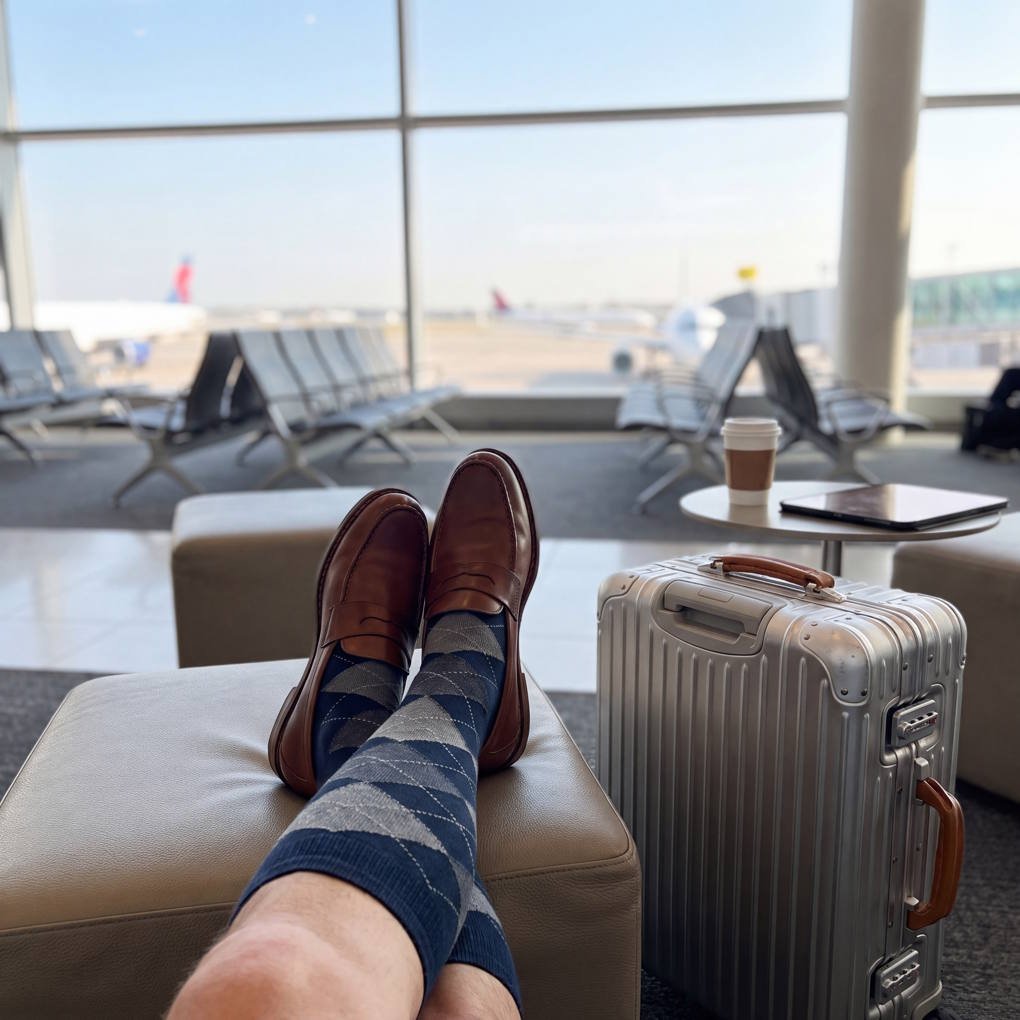
You can wear these supportive garments in many different scenarios.
- Wear them during long flights to keep your legs fresh.
- Put them on while working on your feet to reduce fatigue.
- Use them during prolonged sitting at a desk job.
- Wear them during or after exercise for muscle support.
- Keep them on while traveling by car or train.
- Use them during pregnancy when appropriate to manage heavy legs.
- Wear them whenever a healthcare professional recommends them.
How Long Should You Wear Compression Socks?
The ideal duration depends entirely on your purpose and the compression level. Many people comfortably wear mild or moderate socks throughout the entire working day. You can put them on in the morning and take them off before bed.
Athletes may only use them during a run or for a few hours afterward for recovery. Travelers generally wear them during long journeys. If you are using medical-grade compression, you should always follow your healthcare provider’s specific guidance on timing.
Benefits of Wearing Compression Socks
Adding a good pair of compression socks to your wardrobe offers numerous daily advantages. Most notably, they excel at supporting healthy circulation in your lower extremities.
They are incredibly effective at helping reduce leg fatigue after a long, hard day. They also help manage mild swelling caused by gravity and inactivity. By providing gentle lower-leg support, they can vastly improve your overall comfort during long periods of standing or sitting.
Travelers rely on them to support legs during long, cramped flights. Athletes love them for providing support during exercise and easing recovery. However, remember to view them as a supportive tool for comfort—avoid presenting compression socks as a cure for serious circulatory diseases.
Who Should Be Careful When Using Compression Socks?
While beneficial for many, compression socks may not be appropriate for everyone.
People with certain health profiles need to exercise caution. This includes individuals with peripheral arterial circulation problems, where blood flow to the lower legs is already compromised. Those with fragile skin conditions, severe swelling, or specific nerve-related conditions should also be careful.
If you have any cardiovascular or vascular concerns, do not guess your compression needs. We highly recommend speaking with a qualified healthcare professional when considering compression socks to manage a medical condition.
How to Put On Compression Socks Correctly
Putting these socks on can be tricky, but a good technique makes it easy.
1. Put them on early in the day when leg swelling is usually at its lowest.
2. Reach inside and turn the upper half of the sock inside out, leaving the foot portion tucked in.
3. Slip your foot in and position your heel correctly inside the heel cup.
4. Unroll and pull the sock gradually over your ankle and up your calf.
5. Smooth out any wrinkles with the palms of your hands.
6. Never fold or roll the top band down.
How to Care for Compression Socks
Proper care extends the life of your garments. Always follow the manufacturer’s specific washing instructions.
It is best to wash them regularly—ideally after every use—to remove oils and sweat that degrade the elastic. Avoid excessive heat when drying; air drying is usually the safest bet. It is smart to rotate between multiple pairs so one pair does not wear out too quickly.
Keep in mind that elasticity will naturally decline over time. Plan to replace worn or overstretched socks every three to six months to maintain proper support.
Frequently Asked Questions About the Best Compression Socks
What are the Best Compression Socks for Everyday Use?
For daily wear, look for mild to moderate compression (8–15 mmHg or 15–20 mmHg). Choose soft, breathable fabrics like cotton blends or merino wool that offer all-day comfort without feeling overly restrictive.
What are the Best Compression Socks for Circulation?
To support healthy blood flow, firm compression (20–30 mmHg) is frequently recommended. However, it is always best to consult a healthcare provider to determine the exact level needed for your specific circulation concerns.
What are the Best Compression Socks for Swelling?
If you experience mild, occasional swelling from standing or sitting, 15–20 mmHg socks work beautifully. For more pronounced swelling, a firmer 20–30 mmHg option may be required.
What are the Best Compression Socks for Long Flights?
The best compression socks for travel are usually 15–20 mmHg knee-highs. They provide enough pressure to keep your legs feeling fresh and prevent blood from pooling during long periods of immobility.
What Compression Socks are Best for Standing All Day?
Nurses, teachers, and retail workers benefit most from 15–20 mmHg socks with extra cushioning for the feet. The moderate pressure prevents fatigue, while the padding protects the soles of the feet.
Are 15–20 mmHg Compression Socks Good for Everyday Use?
Yes! In fact, 15–20 mmHg is the most popular level for daily wear. It provides excellent, noticeable support while remaining comfortable enough to wear from morning until night.
Is 20–30 mmHg Compression Too Strong?
For a first-time wearer just looking for a bit of comfort, it might feel quite tight. However, it is not “too strong” if you are managing moderate swelling or following a doctor’s recommendation.
Are Knee-High Compression Socks Better?
They are not necessarily “better,” but they are the most practical for the vast majority of people. They are much easier to put on and to wear under regular clothing than thigh-highs.
Can You Wear Compression Socks Every Day?
Absolutely. As long as they fit properly and do not cause pain or skin irritation, you can safely wear mild-to-moderate compression socks every day.
Should Compression Socks Feel Very Tight?
They should feel snug and supportive, but never painful. If they pinch, cause numbness, or leave deep red indentations in your skin, they are too tight, and you likely need a larger size.
Finding the Best Compression Socks for You
Ultimately, the best compression socks are those that perfectly match your daily activities and physical needs. There is no universal choice, which means you have the freedom to find a pair tailored just for you.
When shopping, always prioritize the correct compression strength and insist on accurate sizing based on your actual measurements. Look for comfortable materials, high breathability, and the appropriate length for your lifestyle.
Whether you are hitting the gym, boarding a long flight, or working a 12-hour shift, the right pair can leave your legs feeling energized. Finally, we always encourage readers using compression garments for a specific health condition to seek professional advice to ensure the safest, most effective results.