
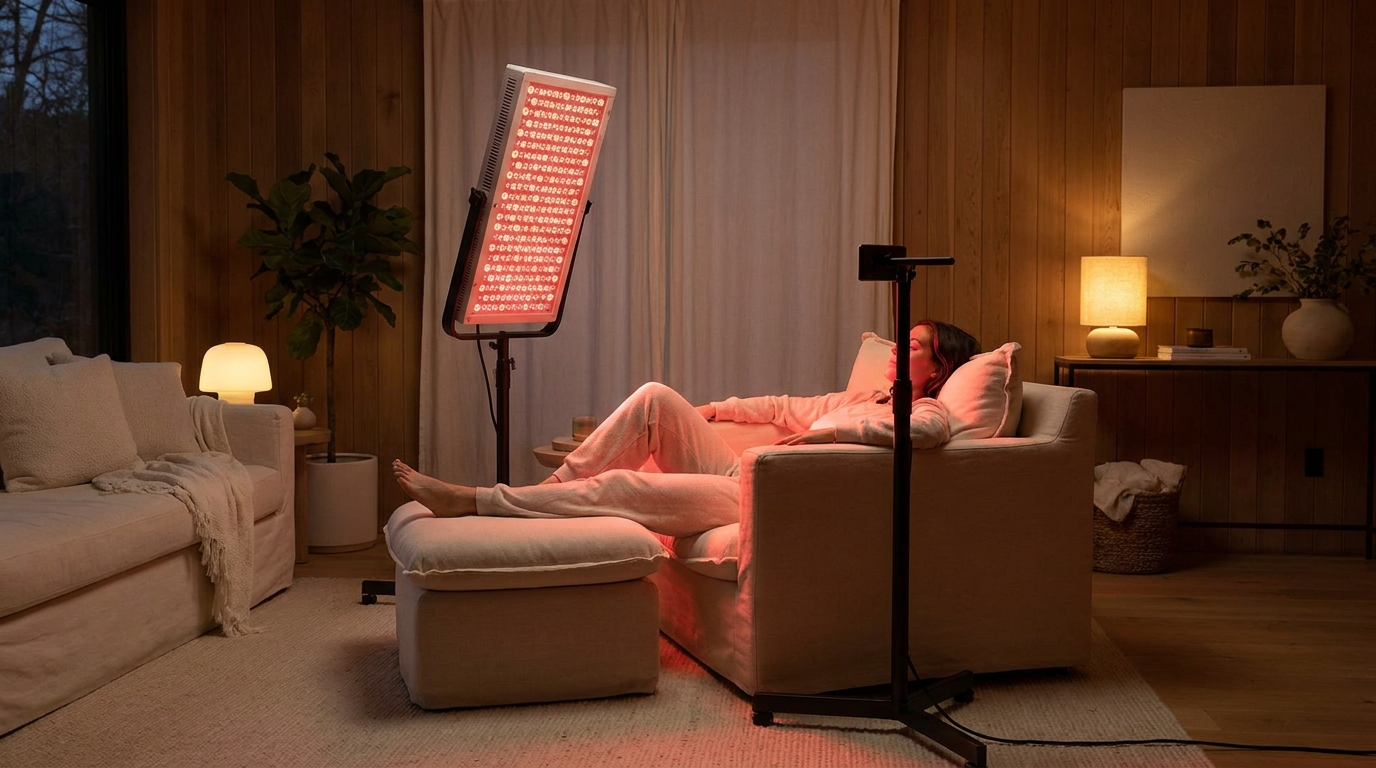
If you have been looking for ways to boost your wellness routine, you have likely heard about the benefits of red light therapy. This non-invasive treatment, which uses specific wavelengths of light, is becoming incredibly popular for everything from revitalizing the skin to supporting muscle recovery, both in clinics and at home.
While the prospect of glowing skin and faster recovery is exciting, it is important to manage expectations. Red light therapy may help with certain concerns, but individual results vary, and more scientific research is still needed. Before starting any new treatment, always consult a healthcare provider, especially if you have existing medical conditions.
What Is LED Light Therapy?

LED light therapy is a skin-safe treatment that uses light-emitting diodes (LEDs) to deliver specific wavelengths of light to the skin and body. Unlike tanning beds, these devices do not use UV light, making them a much lower-risk option for those looking to support skin health.
Different colors of light serve different purposes. Red light and near-infrared light are the most common wavelengths used. They are highly valued because they can penetrate the skin’s surface and potentially support deeper tissue health, making them versatile tools for both skincare and overall body wellness.
How Does Red Light Therapy Work?
When exploring what does red light therapy do, the answer comes down to a biological process called photobiomodulation. In simple terms, your cells contain tiny power plants called mitochondria. When these mitochondria absorb specific wavelengths of red or near-infrared light, they may become more efficient at producing cellular energy. Think of it like recharging your internal batteries.
By boosting this cellular energy, the therapy may support several biological processes. Early evidence suggests it helps to:
- Calm inflammation
- Improve circulation in treated areas.
- Support tissue repair through the body’s natural healing mechanisms.
- Boost collagen production, making it a fascinating area of wellness and skincare.
While the science is still evolving, its potential for supporting these bodily functions makes it a highly sought-after treatment.
Red Light Therapy Benefits
What can you actually expect from using these devices? The list of potential benefits is long, though professional dermatologists often view these tools as helpful complementary treatments rather than replacements for standard medical care.
Commonly reported benefits include:
- A reduction in the visible appearance of fine lines and wrinkles.
- Enhanced skin firmness through potential collagen support.
- A more balanced, even skin tone with reduced redness.
- Support for acne management when used alongside other treatments.
- Improved support for wound healing and tissue repair.
- Potential assistance with muscle soreness and recovery after workouts.
- Possible support for hair growth, depending on the device and treatment plan.
Red Light Therapy for Skin
For many, the biggest draw of red light therapy for skin is its gentle approach to aging. It is frequently used to address dullness, uneven texture, and the early signs of aging we all eventually notice. Because it is non-invasive, it is a low-stress way to incorporate self-care into your daily rhythm.
It is important to remember that results are usually gradual. You won’t see changes overnight, and it certainly won’t replace the dramatic results of surgical procedures or professional resurfacing lasers. Instead, think of it as a long-term investment. With consistent use over several weeks or months, you may notice a subtle but visible improvement in your skin’s overall quality.
Is Red Light Therapy Safe?
For most people, short-term, directed use of these devices is generally considered safe. However, safety depends entirely on following the manufacturer’s instructions. Potential, usually temporary, side effects may include skin irritation, mild discomfort, or temporary redness.
You should always wear protective eyewear, as strong light can cause eye sensitivity. Furthermore, consult your doctor before starting if you have a history of skin cancer, use photosensitizing medications, are pregnant, or have active infections or wounds in the treatment area. The FDA notes that light-based procedures can pose risks if not used correctly, so prioritize your medical history before beginning.
Best Handheld LED Light Therapy Device
If you want to target specific areas, such as your jawline, neck, or small scars, a handheld LED light therapy device is often the best choice. These tools are portable and allow for precise application on concentrated skin concerns.
When shopping for a handheld device, look for:
- Clear labeling of wavelengths (red light should ideally be 630–660nm).
- Near-infrared capabilities (810–850nm) for deeper tissue penetration.
- A built-in timer to ensure you don’t overexpose your skin.
- Included eye protection and clear usage guidelines.
Note that while “FDA-cleared” labels indicate a device is considered low-risk, they do not guarantee specific, high-level clinical results. Always research the brand and read authentic user experiences.
Best Full Body Red Light Therapy

For athletes or those managing general soreness, full-body red light therapy might be more appealing. This usually refers to larger panels, light mats, or clinic-based systems that allow you to treat larger areas of the body—like the back, legs, or torso—at once.
When selecting a larger system, consider the panel size, power output (often called irradiance), and heat management. Just because a panel is large does not mean it is effective; check for third-party safety certifications and, as always, look for those specific, documented wavelength ranges.
How Often Should You Use Red Light Therapy?
Consistency is more important than intensity. Most at-home users find success with routines lasting a few minutes, several times per week. Always follow the manufacturer’s instructions regarding session length, as “more” does not always mean “better.” Overuse can lead to skin irritation and may actually reduce the desired benefits.
Red Light Therapy at Home vs. Professional Treatments
Choosing between at-home and professional care depends on your goals. At-home devices offer incredible convenience and lower long-term costs, making them ideal for ongoing maintenance. Professional clinic treatments, however, often utilize significantly more powerful equipment and are provided under expert supervision.
What to Look for Before Buying
When you are ready to invest in a device, look for transparency. Reliable companies will clearly state their power output, wavelengths, and safety certifications. Ensure the device includes a timer, eye protection, and a reasonable return policy. Avoid any marketing that promises “instant” or “guaranteed” results, as these are rarely accurate.
Frequently Asked Questions
Does red light therapy really work?
It may help with some skin and wellness concerns, but individual results vary significantly.
How long before you see results?
Some users notice changes after a few weeks, while others require several months of consistent use.
Can red light therapy burn your skin?
When used correctly, it should not burn. Misuse or poor-quality devices, however, can increase risks.
Is red light therapy good for acne?
It may support acne care when combined with other dermatologist-recommended treatments.
Can I use red light therapy every day?
Follow your device’s specific instructions. Overuse can cause irritation.
Making the Most of Your Light Therapy
Red light therapy is a promising, non-invasive tool for skin health, recovery, and general wellness. While it isn’t a miracle cure, its ability to support your body’s natural processes makes it a valuable addition to many routines. By choosing quality devices, protecting your eyes, and staying consistent, you can make the most of this gentle wellness trend.
3 Replies to “Red Light Therapy Benefits”