

If you have ever asked yourself what compression shorts are and why so many runners, weightlifters, and everyday athletes wear them, you are in the right place. Compression shorts are tight-fitting athletic garments engineered to provide gentle pressure and targeted support around your thighs, hips, and glutes. Today, they are a fundamental staple in workout wardrobes everywhere.
Runners, cyclists, and gym enthusiasts rely on them for several key reasons. In fact, their primary advantages include muscle stability, reduced inner-thigh friction, and quick moisture absorption during intense exercise. On top of that, they keep everything securely anchored so you can move without distraction.
However, beginners often wonder what compression shorts do during training. How do they differ from regular workout shorts? And should you wear underwear under compression shorts? In this guide, we will answer all these questions so you can choose and wear them with complete confidence.
What Are Compression Shorts?
| 📌 QUICK ANSWER: Compression shorts are form-fitting athletic garments made from synthetic stretch fabrics like polyester, nylon, and elastane. They fit tightly against your skin to apply continuous pressure to major leg muscles, supporting tissue stability, managing sweat, and preventing inner thigh chafing during movement. |
Understanding Compression Shorts
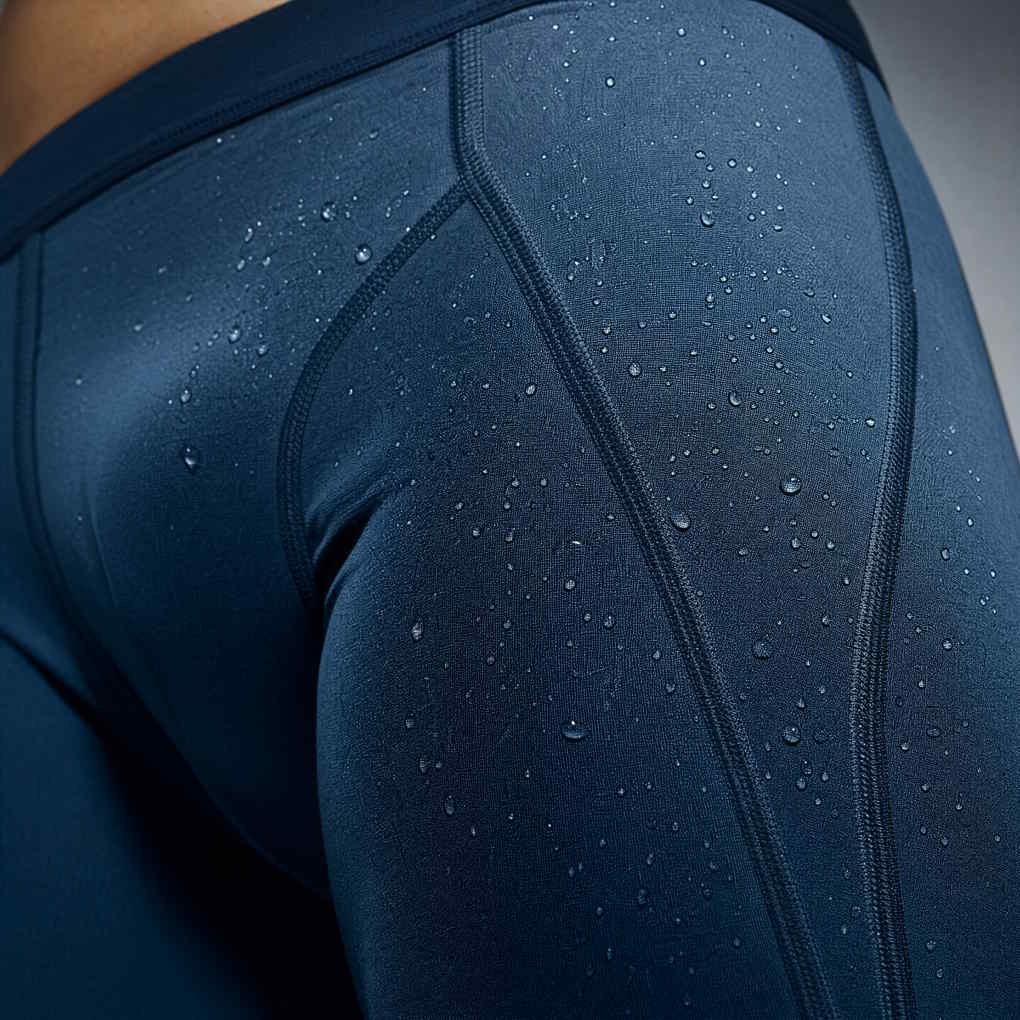
To understand what compression shorts are, picture a supportive base layer that hugs your body contours like a second skin. Unlike standard gym shorts that hang loosely, compression shorts fit snugly against your skin. This close cut allows the stretchable fabric to press gently against your quadriceps, hamstrings, and glutes.
Manufacturers make these shorts using synthetic fabric blends. Typically, they combine polyester or nylon with elastane (spandex). Elastane provides exceptional stretch and elastic recoil. Meanwhile, nylon and polyester offer lightweight strength and moisture-wicking performance.
In addition, it is helpful to distinguish athletic compression shorts from medical-grade compression garments. Athletic compression shorts provide mild to moderate surface pressure for workout comfort and reduced friction. Conversely, medical-grade compression garments deliver calibrated, prescription-level pressure gradients to manage specific medical conditions such as chronic venous insufficiency or lymphedema.
How Do Compression Shorts Work?
Compression fabric works by applying steady mechanical pressure around your muscle groups. During running or jumping, your leg muscles experience soft-tissue vibration upon landing. This vibration can contribute to muscle fatigue over time. The snug fabric stabilizes your muscle tissues, reducing excessive movement during physical effort.
Furthermore, surface compression may support local blood circulation. The gentle pressure helps push venous blood back toward your heart. However, actual performance and recovery effects vary from person to person depending on training intensity and individual physiology.
What Are Compression Shorts Used For?
| 📌 QUICK ANSWER: Compression shorts are versatile athletic garments used across running, weightlifting, cycling, and field sports. They serve as a supportive base layer that eliminates thigh chafing, manages sweat, stabilizes key muscles during explosive movements, and fits neatly underneath team uniforms or loose athletic shorts. |
Compression Shorts for Running
Runners rely heavily on compression shorts to prevent painful inner-thigh chafing. During repetitive long-distance strides, skin-on-skin friction causes severe skin irritation. Compression shorts create a smooth barrier that eliminates rubbing completely.
Moreover, the snug fit keeps the garment securely anchored in place without riding up. High-performance moisture-wicking fibers draw sweat away from your skin, keeping you dry across every mile.
Compression Shorts for Gym Workouts and Weightlifting
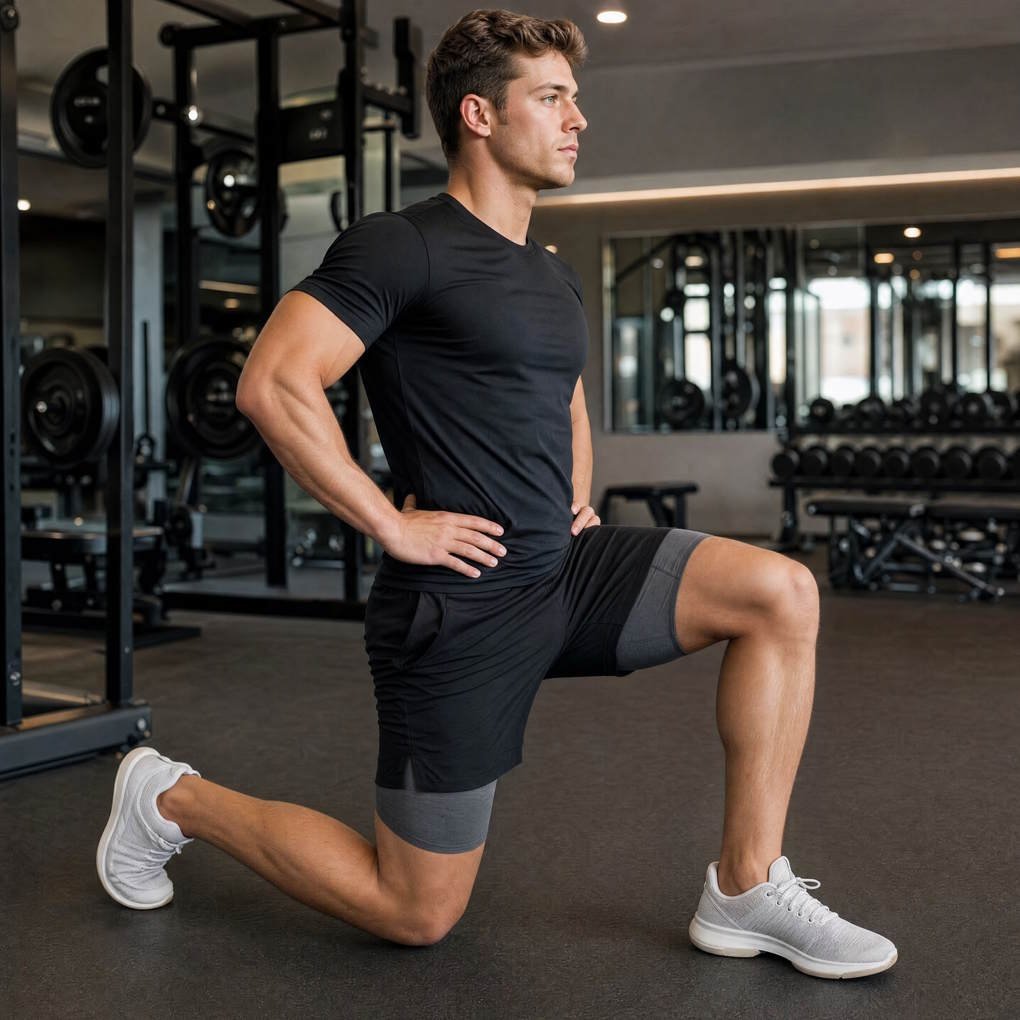
During squats, lunges, deadlifts, and high-intensity interval training (HIIT), compression shorts offer unrestricted flexibility. The four-way stretch fabric moves naturally with your body through every deep repetition.
On top of that, weightlifters appreciate the added core and hip support. The fabric stays firmly put, so you never have to adjust your shorts mid-set.
Compression Shorts for Cycling and Other Sports
Athletes in basketball, football, tennis, and soccer frequently wear compression shorts as a base layer beneath sports uniforms. The shorts keep muscles warm during rest breaks and protect skin during ground slides.
However, note the difference between standard compression shorts and cycling shorts. Athletic compression shorts focus on muscle support and chafing prevention. Meanwhile, cycling shorts feature built-in foam or gel padding (a chamois) to cushion your sit bones against a bike saddle.
What Are the Benefits of Compression Shorts?
| 📌 QUICK ANSWER: Key compression shorts benefits include reduced thigh chafing, improved muscle stability, fast moisture management, and enhanced exercise confidence. By stabilizing muscle groups and eliminating skin friction, these shorts allow athletes to train longer with far greater physical comfort. |
Muscle Support and Stability
A primary advantage of compression shorts is muscle stability. By holding major leg muscles firmly in place, the elastic fabric dampens impact shocks when your feet hit the ground. Consequently, your thighs and glutes feel more anchored during high-impact training.
Reduced Chafing and Skin Irritation
Inner-thigh chafing can quickly ruin a great workout session. Compression shorts prevent skin-on-skin contact entirely. In addition, quality pairs feature smooth flatlock seams that lie flat against your skin, eliminating painful seam rubbing.
Moisture Management and Comfort
Sweat buildup leads to heavy, damp clothing and skin irritation. Advanced synthetic fabrics pull sweat away from your skin to the outer surface of the fabric, where it dries rapidly. As a result, you stay cool, light, and dry during warm workouts.
Potential Exercise Recovery Benefits
Some exercise studies suggest that wearing compression garments may reduce post-workout muscle soreness (DOMS). Gentle pressure may help clear metabolic waste from muscles after exercise. That said, results vary, so view them as a comfort aid rather than a guaranteed recovery cure.
Improved Confidence During Exercise
Beyond physical perks, supportive gear provides psychological comfort. Knowing your clothing fits securely and doesn’t shift gives you full focus during your workout. In fact, many athletes report feeling more agile and secure in a snug base layer.
Compression Shorts vs. Regular Shorts: What’s the Difference?
| 📌 QUICK ANSWER: Compression shorts fit tightly against the skin to support muscles and stop chafing. In contrast, regular athletic shorts feature a loose cut for maximum airflow and relaxed casual wear. Athletes frequently layer compression shorts underneath regular shorts to combine support with modest coverage. |
Comparing compression shorts vs. regular shorts highlights clear differences in design and functional benefits:
| Feature | Compression Shorts | Regular Athletic Shorts |
| Fit | Tight, body-hugging cut | Loose, relaxed cut |
| Muscle Support | Provides gentle continuous pressure | Minimal to no muscle pressure |
| Flexibility | High stretch (4-way stretch fabric) | Varies by cut and fabric weave |
| Chafing Prevention | Eliminates inner thigh friction | May cause friction during long runs |
| Breathability | Synthetic moisture-wicking weaves | Varies (mesh, cotton, or polyester) |
| Common Use | Running, gym, cycling, base layer | Casual wear, light sports, lounging |
Which option works best for you? Choose compression shorts for high impact, heavy sweating, or chafing prevention. Choose regular shorts for relaxed lounging or light walking. In fact, many athletes pair both together.
Compression Shorts vs. Boxer Briefs: Are They the Same?
| 📌 QUICK ANSWER: No, compression shorts and boxer briefs are not the same. Compression shorts feature heavy-duty stretch fabrics built for exercise support, muscle stability, and chafing prevention. Boxer briefs use lighter, softer cotton blends designed for daily casual wear without active athletic pressure. |
When evaluating compression shorts vs. boxer briefs, remember that their main purpose differs. Boxer briefs serve as everyday underwear, prioritizing soft cotton comfort and light support.
Conversely, compression shorts use high-density synthetic fabrics with high elastane content. They deliver structural muscle pressure, rapid sweat evaporation, and durability under athletic stress. While performance boxer briefs offer some overlap, true compression shorts remain superior for intense training.
How to Wear Compression Shorts Properly
| 📌 QUICK ANSWER: To wear compression shorts properly, wear them directly against your skin as a base layer without regular underwear. Make sure the waistband rests flat on your hips, the legs lie smoothly against your thighs, and the fabric feels snug without pinching or restricting circulation. |
Should You Wear Underwear Under Compression Shorts?
Many beginners ask: should you wear underwear under compression shorts? The answer is no. Compression shorts are designed to sit directly against your skin.
Adding regular cotton underwear underneath creates extra seams. This leads to fabric bunching, trapped sweat, and skin chafing. Skip extra underwear to enjoy optimal comfort.
Can You Wear Compression Shorts Alone?
Yes, you can wear compression shorts on their own if the fabric is thick and opaque. Many runners prefer wearing them solo for light, airy comfort.
However, if you want extra coverage or storage pockets, simply wear loose gym shorts over your compression pair. Both approaches work wonderfully.
How Tight Should Compression Shorts Be?
If you wonder how tight compression shorts should be, aim for a supportive second-skin feel. They should fit snugly around your thighs without restricting movement or breathing.
Watch out for warning signs like numbness, skin tingling, or deep waistband marks. Always review the manufacturer’s sizing chart before purchasing.
How to Choose the Right Compression Shorts
| 📌 QUICK ANSWER: Choose the right compression shorts by evaluating fabric composition, inseam length, seam construction, and compression level. Select breathable polyester or nylon-spandex blends with flatlock seams, non-rolling waistbands, and four-way stretch tailored to your exercise routine. |
Consider the Fabric and Material
Choose polyester-spandex blends for fast drying during heavy sweating. Alternatively, choose nylon-spandex blends for superior durability and a smoother texture against your skin.
Choose the Appropriate Length
Select an inseam length based on your activity and coverage needs:
- Short lengths (3–5 inches): Ideal for track events and maximum leg freedom.
- Mid-thigh lengths (7 inches): Versatile choice for general gym workouts.
- Knee-length styles (9+ inches): Full coverage for long runs and maximum chafing defense.
Look for Important Design Features
Look for design features that improve performance:
- Flatlock seams to prevent skin friction.
- Wide waistband that won’t roll during bends.
- Four-way stretch for natural agility.
- Mesh ventilation panels for cooling airflow.
- Side pockets for securely holding phones or keys.
Select the Right Compression Level
Pick mild compression for daily wear or moderate-to-firm compression for intense workout support. Comfort should always guide your choice.
Are Compression Shorts Good for Everyday Wear?
| 📌 QUICK ANSWER: Yes, mild compression shorts are good for everyday wear during walking, commuting, or long travel days. They support leg muscles and prevent thigh chafing throughout the day. However, avoid wearing tight athletic shorts for extended hours to allow natural blood flow and skin rest. |
Might you wonder: are compression shorts good for you during daily tasks? Mild, flexible pairs work great for walking, travel, or standing for long hours.
However, wearing tight athletic compression garments all day is unnecessary. For casual wear, select light compression levels with breathable, soft fabrics.
Common Mistakes to Avoid When Wearing Compression Shorts
| 📌 QUICK ANSWER: Avoid common compression shorts mistakes like sizing down for extra tightness, wearing cotton underwear underneath, using worn-out pairs that lost elasticity, and sitting in sweaty shorts after training. Follow sizing charts and replace aged shorts promptly. |
Avoid these frequent mistakes to maximize your gear’s performance:
- Sizing down too much: Extremely tight shorts restrict blood flow and cause discomfort.
- Wearing underwear underneath: Extra layers trap moisture and trigger chafing.
- Keeping stretched-out shorts: Worn-out elastic loses its supportive benefits over time.
- Staying in damp shorts post-workout: Damp fabric can cause skin irritation and bacterial buildup.
- Expecting injury cures: Compression gear supports muscles but cannot replace rest and medical care.
Frequently Asked Questions About Compression Shorts
| 📌 QUICK ANSWER: Find quick, clear answers to common questions regarding how compression shorts support men and women, impact running speed, assist recovery, and fit into daily schedules. |
What Do Compression Shorts Do for Men?
Compression shorts support male leg muscles, eliminate thigh chafing, and hold everything firmly in place during active movement.
What Do Compression Shorts Do for Women?
For women, compression shorts offer thigh and pelvic support, prevent chafing, and provide excellent opacity under shorts or athletic dresses.
Do Compression Shorts Make You Run Faster?
No direct evidence shows speed increases. However, by reducing muscle vibration and chafing, they help you run more comfortably.
Can Compression Shorts Help Prevent Injuries?
They do not prevent injuries directly. However, they keep muscles warm and supported alongside proper warm-ups and conditioning.
Can You Sleep in Compression Shorts?
Sleeping in tight compression shorts is not recommended. Choose loose, breathable sleepwear to promote comfortable nighttime circulation.
How Long Can You Wear Compression Shorts?
You can wear them safely during workouts (1–4 hours). Remove them if you feel numbness, skin irritation, or discomfort.
Are Compression Shorts Worth Wearing?
| 📌 QUICK ANSWER: Compression shorts are a valuable addition to any workout wardrobe. They combine muscle support, moisture control, and chafing prevention into one high-performance garment, helping you train with confidence and comfort. |
In summary, understanding what compression shorts are comes down to recognizing their practical everyday benefits. They stabilize leg muscles, pull away sweat, and stop thigh chafing in its tracks. Whether running, lifting, or playing team sports, they help you move freely.
Ready to experience better workout comfort? Explore different styles and fabric blends today to find the perfect compression shorts for your active lifestyle!