
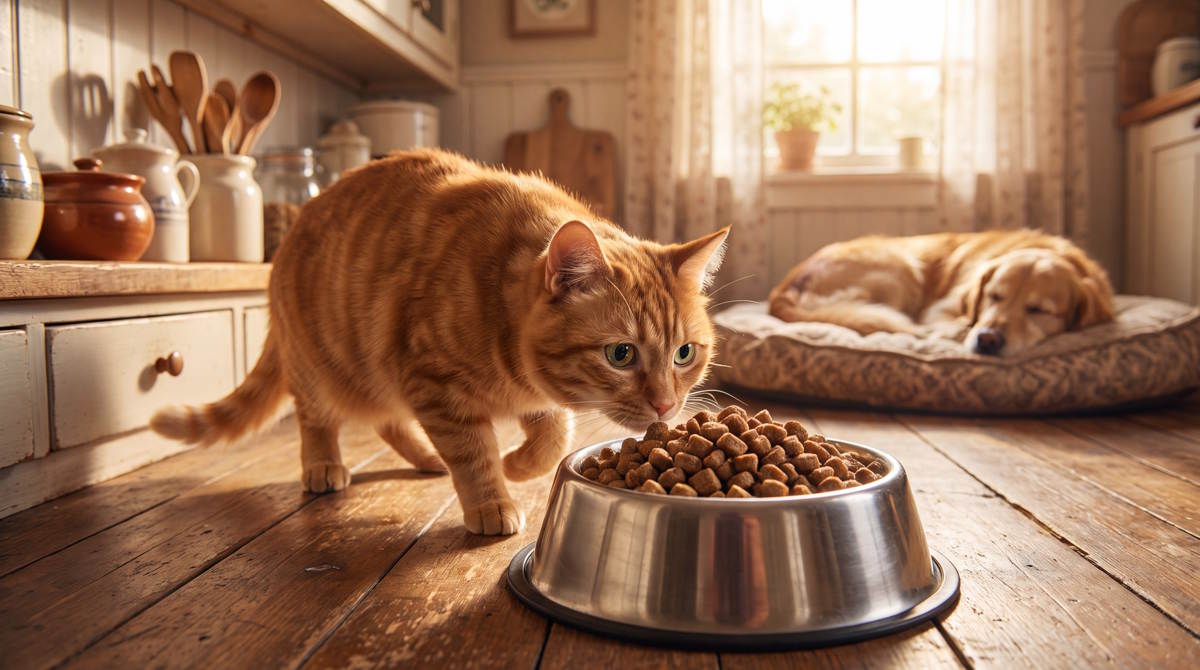
You might be wondering, ” Can cats eat dog food? It is a common question for pet owners sharing their home with both feline and canine friends. If your cat sneaks a bite from the dog’s bowl, a small amount is unlikely to harm a healthy cat. However, dog food should never replace nutritionally complete cat food.
The key reason is simple. Cats and dogs have very different nutritional requirements. What keeps a dog healthy will not sustain a cat over time. In fact, relying on the wrong diet can lead to serious health issues.
In this guide, we will explore when dog food might be safe and what happens if cats eat it regularly. We will also discuss exactly what you should do if your cat gets into the dog’s food.
Can Cats Eat Dog Food?
Yes, cats can usually eat a small amount of dog food occasionally without immediate harm. However, it should never become part of their regular diet. Cats are obligate carnivores, meaning they require specific animal-based nutrients that dog food simply does not provide.
There is a big difference between accidentally eating a few bites, eating it occasionally, and eating it as a primary diet. A stolen bite is generally harmless. A diet based on dog food is dangerous.
Because cats are obligate carnivores, their bodies demand high levels of animal protein. Dogs are omnivores. Their bodies can process and thrive on a wider variety of foods, including more plant matter. This biological difference dictates exactly how their foods are formulated.
Is Dog Food Safe for Cats?
Most standard dog foods are not immediately toxic to cats. They do not contain hidden poisons. If your healthy cat eats a dropped kibble, they will almost certainly be perfectly fine.
However, being safe to eat once is completely different from being nutritionally appropriate. A food can be non-toxic but still fail to provide essential life-sustaining nutrients.
You should also exercise caution if your cat has food allergies, sensitive digestion, or specific dietary restrictions. In those cases, even a small bite of an unfamiliar dog food might trigger an upset stomach or an allergic flare-up.
Is It Safe for Cats to Eat Dog Food Occasionally?
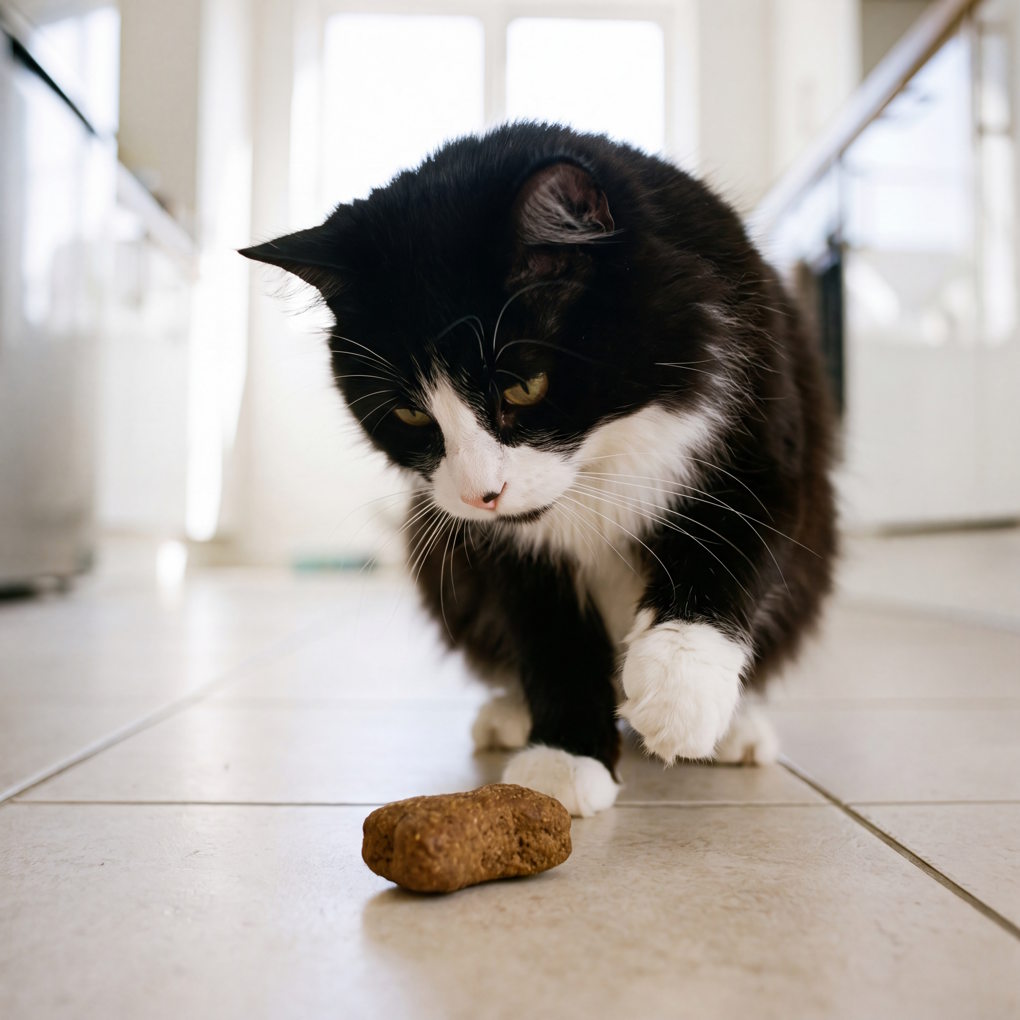
For most healthy adult cats, an occasional bite is not a major concern. A small taste will not derail their overall health.
You might catch your cat sneaking food from the dog’s bowl. Sometimes, they might swoop in to eat dropped dog kibble. They might even take a tiny lick of wet dog food left behind. These brief encounters are usually harmless.
Closer monitoring is only necessary if your cat has a known medical condition. If you notice signs of illness after these snacks, it is time to intervene.
Is It OK for Cats to Eat Dog Food?
You may ask, ” Is it okay for a cat to eat dog food? The short answer is no, it is not okay as a deliberate feeding choice. While a random accidental bite is fine, intentional feeding is not.
Many people wonder, are cats allowed to eat dog food? Occasional accidental consumption is vastly different from intentional serving. Cat food must remain your feline’s primary source of nutrition at all times.
Dog food lacks the precise balance of vitamins and amino acids a cat needs to survive. Therefore, it is never truly OK to substitute their meals.
Can You Feed Cats Dog Food in an Emergency?
Sometimes, pet parents run out of cat food late at night. In an emergency, a small temporary serving of dog food may be preferable to letting a healthy adult cat go completely hungry. However, it must not become routine.
Return to a complete and balanced cat food as soon as possible. One skipped meal is sometimes safer than introducing new, inappropriate food if your cat has a sensitive stomach.
Keep in mind that kittens, pregnant cats, senior cats, and cats with medical conditions require careful dietary management. You should consult a vet before offering them dog food, even in an emergency.
Is Dog Food Bad for Cats?
Dog food is not immediately poisonous to cats, but it becomes harmful when fed regularly. Long-term consumption leads to severe nutritional deficiencies. Since standard dog food lacks essential feline nutrients, relying on it can cause permanent health damage.
The real danger lies in what dog food is missing. An inappropriate long-term diet slowly starves a cat of essential nutrients, even if their stomach is full.
Is Dog Food Harmful to Cats?
Cats require very specific nutrients to thrive. One of the most critical is taurine, an amino acid found exclusively in animal protein. Without it, cats can suffer from blindness and fatal heart conditions.
They also need adequate animal-derived protein and arachidonic acid, an essential fatty acid. Additionally, cats cannot produce their own vitamin A from plant sources. They require preformed vitamin A directly from animal tissues.
Commercial cat foods are formulated specifically around these feline nutritional needs. Dog foods simply do not contain enough of these essential elements.
Is It Bad to Feed Cats Dog Food Every Day?
Yes, feeding dog food daily is highly dangerous. There is a huge difference between acute toxicity and long-term nutritional deficiency. The damage happens slowly and silently.
Prolonged inadequate nutrition leads to weight loss and poor body condition. You might notice severe muscle loss and a dull, unhealthy coat. The cat will likely suffer from low energy and compounding nutrient deficiencies.
If these deficiencies persist, more serious health problems will emerge. Heart failure, neurological issues, and vision loss are very real risks. Deficiencies develop gradually, so the damage is often severe by the time symptoms appear.
Is Dog Food Good for Cats?
Despite what search queries like ‘are dog food good for cats’ might suggest, dog food is never genuinely good for cats. Liking the taste does not mean a food is nutritionally suitable.
Some cats are naturally attracted to dog food. They might be tempted by the strong meat aromas or the higher fat content in certain formulas. The novel texture might also pique their curiosity.
However, food formulated specifically for cats is always the better choice. Feline diets are crafted to support their unique biology, keeping them vibrant and healthy.
What Happens When a Cat Eats Dog Food?
If a healthy cat eats a small amount of dog food, they will likely experience no symptoms at all. Occasional mild digestive upset is possible, but severe immediate reactions are rare.
As an owner, you generally do not need to panic over a stolen bite. The digestive tract of a healthy adult cat can usually handle a minor indiscretion.
What If My Cat Eats Dog Food Once?
Do not panic over a few bites in an otherwise healthy cat. Most of the time, the incident will pass completely unnoticed.
However, you should monitor them for mild stomach upset. Watch for vomiting, diarrhea, or excessive gas. Keep an eye out for reduced appetite, lethargy, or any unusual behavior.
If symptoms persist for more than 24 hours or your cat seems in pain, contact a veterinarian.
What Happens If Cats Eat Dog Food Regularly?
Long-term feeding presents a much greater concern. Over time, the cat will develop gradually worsening nutritional imbalances.
Their organs will struggle to function without the necessary amino acids and vitamins. This is exactly why regularly replacing cat food with dog food must be avoided at all costs.
Can Cats Eat Dry Dog Food?
A few pieces of dry dog kibble will not hurt a healthy cat. However, dry dog food lacks the correct protein levels and essential amino acids cats need. It should never be used as a long-term substitute.
Dry cat foods are typically much denser in animal protein and calories. Dry dog foods often contain more carbohydrates and plant-based ingredients to suit an omnivore’s digestive system.
Because of this difference in calorie density and nutrient balance, relying on dry dog food will leave a cat malnourished. Their specific feline nutritional requirements simply will not be met.
What If My Cat Keeps Eating the Dog’s Dry Food?
If your cat is a chronic thief, you need practical solutions. The easiest method is to feed your pets in entirely separate rooms.
Remove unfinished bowls immediately after meals. Switch to scheduled feeding instead of free feeding to control access. You can also place dog food in areas the cat cannot easily access.
If separation is difficult, consider investing in microchip or selective-access feeders. These devices only open for the designated pet.
Can Cats Eat Soft Dog Food?
Soft dog food includes canned, wet, pouch, or semi-moist varieties. While the texture resembles cat food, wet dog food is still formulated strictly for dogs.
A small accidental serving of soft dog food is generally fine. But again, occasional tasting is completely different from regular feeding.
Wet dog food still lacks the high levels of taurine and protein cats need. It will not provide adequate feline nutrition, even if your cat absolutely loves the taste.
Can You Feed Dog Food to a Cat?
Can I feed my cat dog food? Can you give dog food to cats? The definitive answer is that dog food should generally not be deliberately used as a cat’s everyday diet.
There are very rare circumstances—such as a late-night emergency—when a temporary feeding might occur. But this should be a last resort.
You should always choose a high-quality food labeled complete and balanced specifically for your cat’s current life stage.
Can Cats Eat Dog Food and Vice Versa?
It is incredibly common for cats and dogs to occasionally steal each other’s food. They are naturally curious and opportunistic eaters.
However, neither species should routinely eat food formulated exclusively for the other. Each animal has distinctly different physiological needs.
Can Dogs Eat Cat Food?
Cat food is typically much richer in protein, fat, and calories than standard dog food. This makes it highly appealing to dogs.
Occasional consumption may not cause problems for many dogs, though it can trigger digestive upset. Regular consumption, however, can contribute to obesity and inappropriate nutrient intake.
Both animals should primarily eat their own species-appropriate food for optimal health.
Why Is Cat Food Different From Dog Food?
The biological differences between cats and dogs dictate their diets. Cats are strict obligate carnivores. Dogs are adaptable omnivores with much greater dietary flexibility.
Because of this, their typical nutritional priorities are completely different. Cats need meat to survive, while dogs can extract nutrients from a wider variety of sources.
Taurine
Taurine is particularly critical for cats. While dogs can synthesize their own taurine from other amino acids, cats cannot.
Taurine plays a vital role in maintaining normal heart function, healthy vision, and proper reproductive health. A lack of taurine in a cat’s diet can be fatal.
Protein and Amino Acids
Cats have comparatively high protein requirements. Their bodies continuously break down protein for energy, even when protein intake is low.
They require highly specific amino acid profiles found almost exclusively in animal tissues. Dog food rarely meets these high protein thresholds.
Vitamins and Fatty Acids
Feline requirements for specific vitamins are entirely unique. For example, they need preformed vitamin A because they cannot convert beta-carotene from plants into vitamin A.
They also require arachidonic acid, an essential fatty acid that dogs can make themselves. Specialized cat foods guarantee these essential vitamins and minerals are present in the right amounts.
How Much Dog Food Can a Cat Eat?
There is no recommended routine amount because dog food should never be part of a cat’s regular diet. Zero is the ideal daily amount.
A few stolen kibbles are harmless. Eating part of one meal is usually fine. But eating several meals or receiving regular daily feedings crosses the line into dangerous territory.
The frequency and duration matter far more than an occasional taste. The longer they eat it, the higher the risk.
What Should You Do If Your Cat Eats Dog Food?
If you catch your cat eating dog food, follow a simple response plan. First, determine approximately how much the cat actually ate.
Check the dog food ingredients and packaging to ensure there are no specific allergens. Next, give your cat access to plenty of fresh water.
Simply return to their normal cat food at the next appropriate mealtime. Over the next day, monitor them for any digestive or behavioral changes.
Contact a veterinarian if symptoms are severe, persistent, or highly unusual.
When Should You Call a Veterinarian?
You should seek veterinary advice if the cat ate a very large amount and looks bloated. Call your vet if they develop repeated vomiting or severe diarrhea.
Take action if the cat stops eating completely, appears weak, or seems unusually lethargic. You should also call if the cat has a known food allergy or medical condition.
Kittens, elderly cats, and pregnant cats are nutritionally vulnerable and require closer attention. Finally, consult a vet immediately if your cat has been eating dog food as its primary diet for an extended period.
How to Stop Your Cat From Eating Dog Food
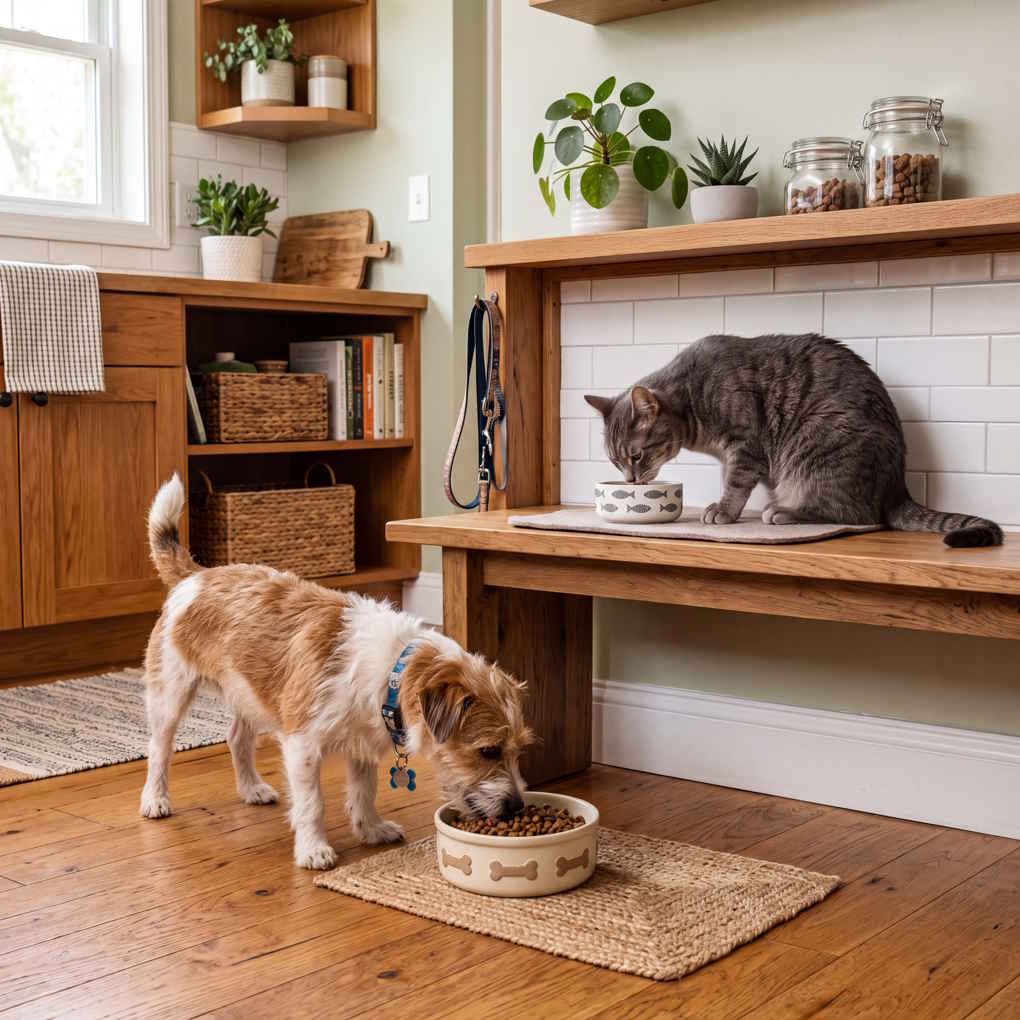
Prevention is the best strategy. The easiest method is to feed your cats and dogs in completely separate rooms.
Establish regular, scheduled mealtimes for both pets. Pick up the bowls immediately after feeding time.
Avoid leaving dog kibble accessible all day long. If your dog is a slow eater, try placing feeding stations at different heights. Cats can jump, but sometimes a closed door is the only solution.
Consider investing in selective-access or microchip feeders for absolute control. Lastly, ensure your cat genuinely enjoys and accepts its own nutritionally complete food.
What Should Cats Eat Instead of Dog Food?
Cats should eat a high-quality, nutritionally complete cat food. It must be appropriate for their specific age, activity level, body condition, and health needs.
Kitten food is calorie-dense and rich in nutrients for growth. Adult cat food focuses on maintaining optimal health. Senior cat food is adjusted for aging metabolisms and joint support.
Some cats require veterinary or therapeutic diets for specific health issues. Always encourage owners to look for foods formulated as complete and balanced for the relevant feline life stage.
Frequently Asked Questions About Cats and Dog Food
Can My Cat Eat Dog Food?
Yes, a few bites are generally unlikely to cause problems for most healthy cats. However, dog food should never replace their regular, species-appropriate cat food.
Is It OK If a Cat Eats Dog Food Once?
Usually, occasional accidental consumption is not a major concern. Simply monitor the cat for mild digestive upset or any unusual symptoms.
Should Cats Eat Dog Food?
No. Cats should primarily eat food formulated to meet strict feline nutritional requirements, which dog food fails to provide.
Can Dog Food Be Given to Cats?
It can be given only temporarily in highly unusual emergency circumstances. It should never be used as a regular, everyday diet.
What Happens When a Cat Eats Dog Food?
A small amount may cause no reaction at all, although some cats develop mild stomach upset. Regular feeding, however, will eventually lead to severe nutritional deficiencies.
Is Dog Food Bad for Cats to Eat Every Day?
Yes, it is extremely dangerous. Dog food is not formulated to provide the complete, essential nutritional profile that cats require over the long term.
Can Cats Eat Dog Food for One Day?
For a healthy adult cat, eating dog food temporarily is generally less concerning than feeding it routinely. Return to the appropriate cat food as soon as possible.
What If My Cat Prefers Dog Food?
Prevent access to the dog’s bowl entirely. You should also evaluate whether the cat dislikes the flavor, texture, freshness, or feeding setup of its own food.
Can Cats Eat Dog Food?
Ultimately, a small accidental amount of dog food is generally not dangerous for most healthy cats. They will likely walk away perfectly fine.
However, dog food should never be used as a regular substitute for cat food. Your feline friend relies on you to provide the right fuel for their body.
Cats require strict, species-specific nutrients that standard dog foods simply do not provide in adequate amounts. If your cat has been eating dog food regularly, please speak with your veterinarian right away about safely transitioning them back to an appropriate, life-sustaining feline diet.