
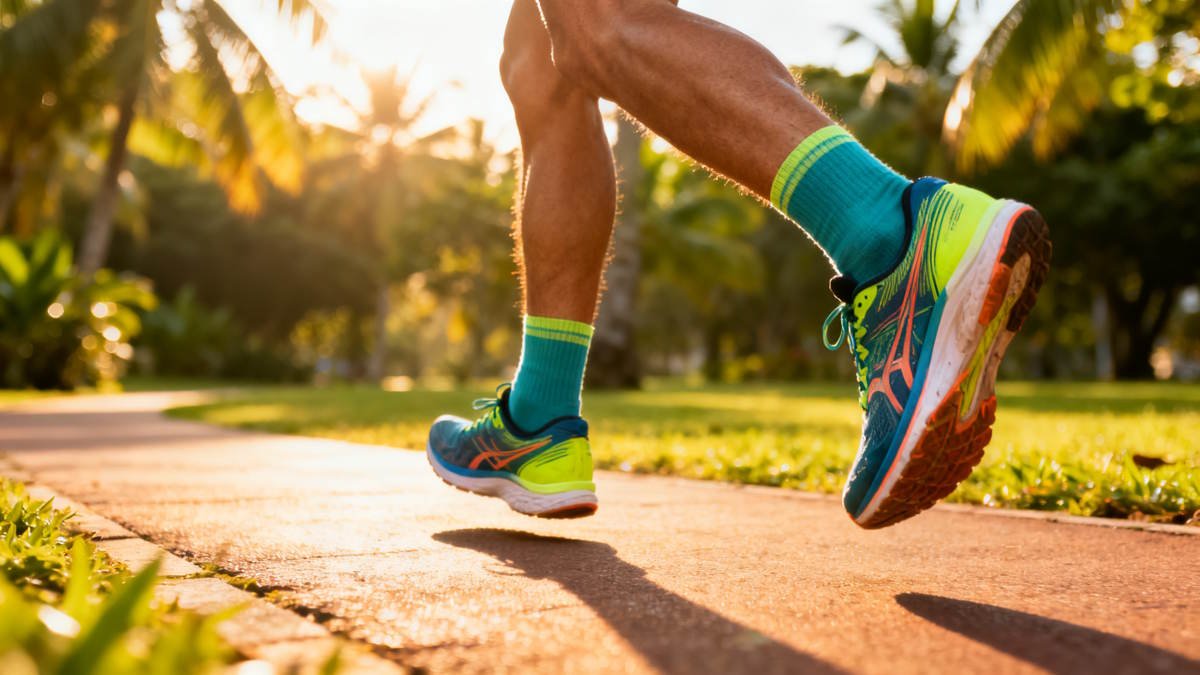
Have you ever wondered exactly how compression socks work to keep your legs feeling fresh and energized? If you spend long hours on your feet, travel often, or struggle with leg swelling, you have probably heard about the benefits of compression therapy. Compression socks are specially designed garments that apply gentle, controlled pressure to your lower legs. This continuous squeezing action helps support blood flow back toward your heart and reduces fluid buildup in your ankles and calves.
Many people rely on compression garments every day to find relief. Some common uses include supporting tired legs during long periods of standing or sitting, staying comfortable during travel, aiding exercise recovery, and managing leg swelling or varicose veins. Additionally, doctors often recommend them for certain circulation-related conditions. Let’s dive deeper and explore exactly how these snug-fitting socks work their magic.
What Are Compression Socks?
What are compression socks, exactly? Compression socks are specialized, elastic garments designed to apply measurable, consistent pressure to your legs. Unlike regular socks, which merely cover your feet and keep them warm, compression socks actively support your venous system by squeezing the leg tissues and walls of the veins.
These garments are crafted from highly elastic, supportive materials like spandex, nylon, and specialized synthetic blends. They come in various lengths and compression strengths to suit different needs.
Some of the most common styles you will encounter include:
- Knee-high compression socks
- Thigh-high compression stockings
- Compression sleeves (which cover the calf but leave the foot bare)
- Full-length compression stockings (like pantyhose)
What Does “Compression” Mean in Compression Socks?
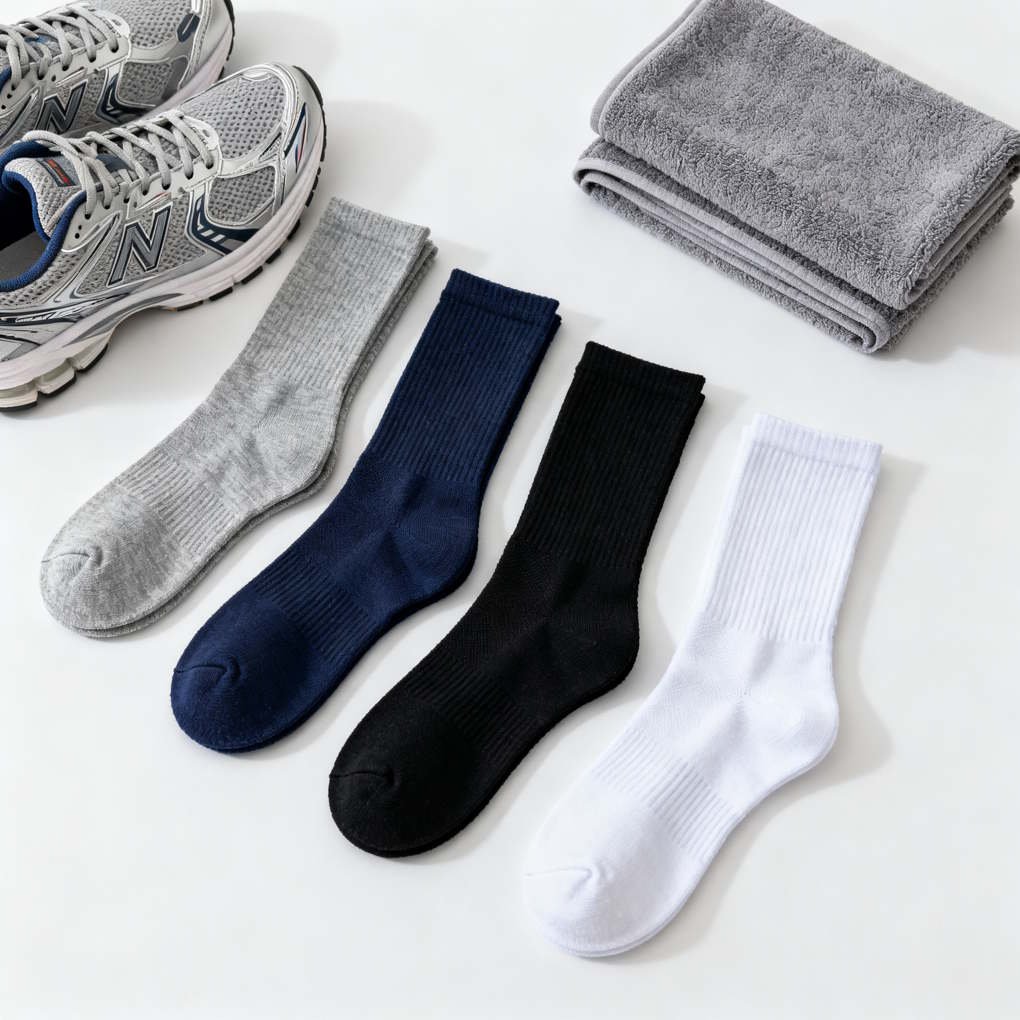
In the world of leg health, “compression” simply refers to the specific amount of pressure the sock applies to your leg. This pressure gently hugs your muscles and blood vessels. Compression strength is measured in millimeters of mercury (mmHg), the same unit used to measure blood pressure.
How Do Compression Socks Work?
So, how do compression socks work to support your body? At their core, these garments work by gently squeezing your legs to help support the walls of your veins. When you wear them, the external pressure reduces the diameter of superficial veins beneath your skin. This narrowing process actually helps the tiny valves inside your veins work much more efficiently.
By helping these valves close properly, compression socks encourage blood to move upward, helping it return to the heart against gravity. As a result, they actively reduce blood pooling around the ankles and lower legs. Furthermore, this gentle pressure helps limit fluid accumulation in your tissues, which prevents that heavy, swollen feeling.
Your calf muscles also play a massive role here. When you walk, your calf muscles act as a natural “pump” to push blood upward. Compression socks provide a firm outer layer for these muscles to press against, making your natural calf pump significantly more effective with every step you take.
How Graduated Compression Works
Most high-quality leg garments use something called “graduated compression.” This means the socks apply the greatest pressure around the ankle. From there, they gradually provide less pressure as they move farther up the leg.
This brilliant design acts like a funnel for your blood. By squeezing tightest at the bottom and easing up near the top, graduated compression naturally forces blood upward toward the heart, preventing it from stagnating in your feet.
What Do Compression Socks Do to Your Circulation?
What do compression socks do to your body’s circulation? They primarily support healthy venous circulation by helping deoxygenated blood return toward the heart. By providing external support, they reduce venous pooling and effectively manage lower-leg swelling.
This gentle assistance is especially helpful for people who sit or stand for extended periods, as inactivity causes blood to pool. It is important to clarify that compression socks do not simply make your blood circulate “faster” or raise your heart rate. Instead, they make the venous blood’s return journey more efficient, ensuring your circulatory system doesn’t have to work as hard against gravity.
What Are Compression Socks Used For?
People from all walks of life use compression therapy for different reasons. Whether you are an athlete, a traveler, or an office worker, these garments can offer significant relief. Let’s look at the most common reasons people wear them every day.
Compression Socks for Swelling
When fluid escapes from your blood vessels into the surrounding tissues, you experience swelling (edema). Compression socks apply external pressure that helps push this fluid back into circulation, effectively reducing fluid buildup in the feet, ankles, and lower legs.
Compression Socks for Varicose Veins
Varicose veins occur when the valves in the veins weaken, causing blood to pool and the veins to bulge. External pressure from compression socks helps support these weakened veins. Consequently, this can significantly reduce frustrating symptoms such as chronic aching, throbbing, or a feeling of heaviness.
Compression Socks for Standing All Day
Using compression socks for standing all day is highly recommended for many professions. Gravity takes a toll on your legs during long shifts. This makes them incredibly popular among healthcare workers, retail employees, teachers, and hospitality staff who need reliable, all-day leg support.
Compression Socks for Sitting for Long Periods
Prolonged sitting can be just as tough on your circulation as standing. Office workers, drivers, and those who sit at desks for long hours use compression therapy to keep blood flowing properly, preventing late-afternoon leg stiffness and ankle swelling.
How Do Compression Socks Help During Travel?
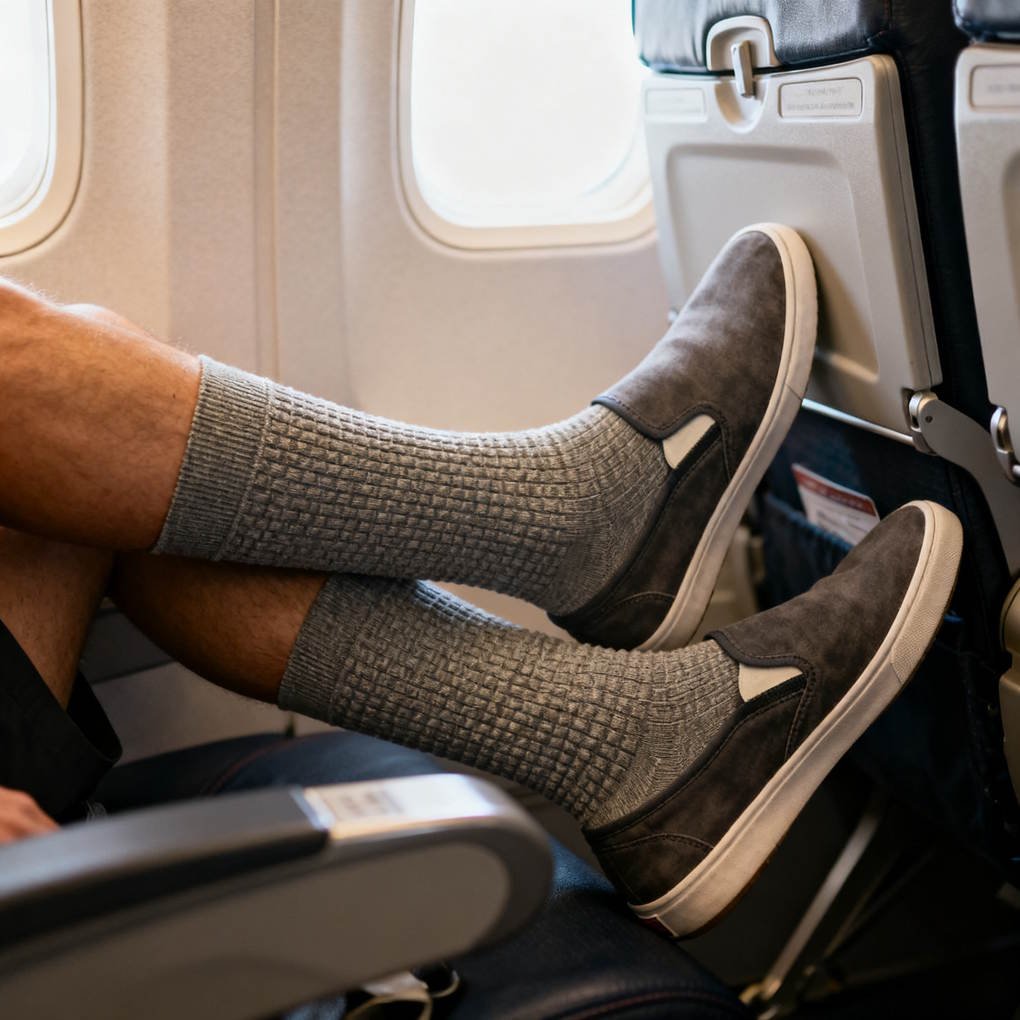
Compression socks help during travel by combating the negative effects of prolonged immobility. Remaining seated for extended periods on long flights, bus rides, or car journeys can lead to severe leg stiffness, ankle swelling, and reduced venous blood flow.
Because your calf muscles aren’t pumping blood while you sit still, blood tends to pool in your lower legs. This is why many savvy travelers wear compression socks during long trips to stay comfortable and energetic. However, keep in mind that people with underlying medical concerns or an elevated risk of blood clots should always discuss travel precautions with a healthcare professional first.
How Do Compression Socks Work for Exercise and Running?
Many athletes swear by compression socks to support their lower-leg muscles during intense activity. Wearing them can reduce muscle fatigue, help manage post-exercise swelling, and support a faster, more comfortable recovery.
However, it is important to avoid overstating the performance benefits. Current research on whether compression socks significantly improve raw athletic performance or speed is actually quite mixed. Nevertheless, countless runners and gym-goers find them incredibly helpful for maintaining comfort, reducing muscle vibration during impact, and speeding up recovery times after a grueling workout.
What Are the Benefits of Compression Socks?
The benefits of compression socks are vast and depend greatly on the user’s specific needs and chosen compression level. At a glance, they offer an easy, non-invasive way to support your daily leg health.
Some of the most notable benefits include:
- Supporting healthy venous circulation throughout the day
- Reducing stubborn ankle and lower-leg swelling
- Reducing frustrating feelings of leg heaviness
- Supporting tired, achy legs after a long shift
- Helping manage symptoms associated with varicose veins
- Providing essential support during prolonged sitting or standing
- Supporting faster muscle recovery after vigorous exercise
- Providing additional leg support and comfort during travel
Understanding Compression Sock Pressure Levels
Compression sock pressure levels are measured in millimeters of mercury (mmHg). Understanding these levels is crucial, as choosing the wrong strength can be uncomfortable or ineffective. While classifications may vary slightly among manufacturers, here is a general guide to compression strength:
- Under 15 mmHg: Light everyday support for minor fatigue.
- 5–20 mmHg: Ideal for travel, prolonged standing, and mild swelling.
- 20–30 mmHg: Moderate compression; often used for medical purposes and varicose veins.
- 30–40 mmHg: Strong, medical-grade compression for severe swelling.
For general wellness, lower levels are easily accessible. However, you should generally select higher compression levels (20 mmHg or higher) under the guidance of a medical professional to ensure safety and effectiveness.
How Tight Should Compression Socks Be?
Compression socks should feel comfortably firm, highly supportive, and snug against your skin. However, they should never be so tight that they cut off your circulation entirely.
They should not normally cause severe pain, numbness, tingling, significant skin discoloration, or noticeably cold toes. If you experience any of these symptoms, your socks are too tight. Correct sizing matters immensely. To ensure the perfect fit, manufacturers commonly use specific measurements, such as your ankle and calf circumferences and overall leg length.
When Should You Wear Compression Socks?
When you should wear compression socks entirely depends on the reason you are using them. Generally, you should wear them when your legs need the most support against gravity and inactivity.
Common situations for wearing them include work shifts, long flights or travel, prolonged standing, exercise, or when explicitly recommended by a doctor.
Should You Put Compression Socks on in the Morning?
Yes, putting compression socks on first thing in the morning is highly recommended. It is much easier to put them on early in the day before significant swelling develops, ensuring you get the maximum supportive benefit as you go about your day.
How Long Should You Wear Compression Socks?
There is no single duration that works for everyone when it comes to wearing compression garments. The right amount of time depends on your lifestyle, comfort, and specific health needs.
Some people may wear them for just a few hours during a workout or a flight. Others wear them consistently throughout an entire workday to combat fatigue. If you are using compression socks to manage a specific medical condition, you should strictly follow the customized instructions provided by your healthcare provider.
Can You Sleep in Compression Socks?
Generally, everyday compression stockings are designed to be worn while a person is upright, active, and fighting gravity. Therefore, you do not usually need them in bed.
Some patients may be instructed to wear specific compression garments overnight for post-surgical reasons or specific medical conditions. However, you should always follow medical advice rather than routinely sleeping in compression socks without a clear medical reason.
Who Should Be Careful When Using Compression Socks?
While highly beneficial for many, compression socks are not appropriate for everyone. People should seek professional advice if they have medical conditions affecting blood flow or sensation in the legs.
You should be particularly careful if you have peripheral arterial disease, serious circulatory problems, certain skin conditions or open wounds, or a significant loss of sensation (such as severe neuropathy). Furthermore, always seek immediate medical evaluation for sudden swelling, significant leg pain, redness, warmth, or unexplained symptoms rather than simply trying to treat them with compression socks on your own.
How to Choose the Right Compression Socks
Choosing the perfect pair involves looking beyond just color and style. To get the most out of your garments, consider a few key factors before making a purchase.
Compression Level
Always match the compression strength to your intended purpose. Stick to 15-20 mmHg for daily wear and travel, and leave higher numbers for medical recommendations.
Correct Size
Do not simply choose your normal shoe size. Use accurate ankle, calf, and leg measurements with a soft measuring tape to find the perfect, comfortable fit.
Sock Length
Consider what length serves you best. Ankle compression is great for foot support, knee-highs cover the vital calf pump, and thigh-highs offer full-leg venous support.
Material and Comfort
Look for fabrics with high breathability, excellent moisture management, adequate stretch, and comfortable, seamless toes to prevent skin irritation during extended wear.
Intended Activity
Finally, consider whether the socks will be used for everyday wear, physically demanding work, airplane travel, long-distance running, or relaxing on the couch for recovery.
Frequently Asked Questions About Compression Socks
Do Compression Socks Really Improve Circulation?
Yes, they support venous blood return by gently squeezing the leg muscles and veins. This reduces blood pooling in the lower extremities and helps blood flow more efficiently back to the heart.
What Happens When You Wear Compression Socks?
When you put them on, the controlled pressure supports your vein walls and valves. This immediate support reduces fluid accumulation in tissues and helps fight the effects of gravity on your circulation.
Do Compression Socks Help Swollen Feet And Ankles?
Yes, they may help manage certain types of lower-leg swelling caused by gravity and fluid buildup. However, persistent or unexplained swelling should always be medically evaluated by a doctor.
Can You Wear Compression Socks Every Day?
Absolutely. Many people use appropriate, lower-level compression socks regularly for work, comfort, or travel, depending entirely on their personal lifestyle and daily needs.
Are Compression Socks Supposed To Leave Marks?
Mild, temporary skin impressions are normal after removing tight socks. However, deep marks accompanied by pain, numbness, or obvious changes in circulation strongly indicate a poor, overly tight fit.
How Quickly Do Compression Socks Work?
Many people notice improvements in leg heaviness or swelling on the same day they start wearing them, although individual results vary depending on the specific reason for their use.
How Do Compression Socks Work?
To sum it all up, how do compression socks work? They work by applying gentle, controlled pressure to your lower legs. This physical squeezing supports your veins, helping blood flow efficiently back toward the heart rather than pooling stubbornly in your feet and ankles.
Whether you need everyday leg support, stand for prolonged hours, travel frequently, or want to manage swelling and vein-related conditions, compression therapy can be a game-changer. Just remember to emphasize proper sizing and always choose the appropriate compression strength for your unique needs.